
The Growing Popularity of Audio Stories in the Digital Age
Audio stories are storytelling experiences delivered through voice, narration, and sound. They allow listeners to experience fiction, real-life stories, educational content, and entertainment without requiring continuous visual attention.
Unlike traditional reading or video-based storytelling, audio stories allow people to engage with narratives through listening. The combination of voice, emotions, narration style, and sound design creates an immersive storytelling experience where listeners can imagine characters, environments, and events in their own way.
The popularity of audio storytelling has grown as people look for flexible ways to consume content while travelling, working, exercising, or relaxing. Audio allows audiences to enjoy meaningful stories without being constantly connected to a screen.
The rise of smartphones, voice technology, podcasts, and digital storytelling platforms has accelerated the growth of voice-based experiences. People are gradually moving from only watching content toward exploring more personalised listening experiences.
Audio stories create a unique connection because voice carries emotions, expressions, and personality. A storyteller’s tone, pauses, and narration style can make listeners feel closer to the story and the creator behind it.
The growing shift toward voice-first experiences reflects a broader change in digital entertainment — from passive viewing to more personal and immersive ways of experiencing stories.
What Are Audio Stories?

1.1 Understanding the Meaning of Audio Stories
Audio stories are narrated storytelling experiences that use voice, sound, and sometimes music or sound effects to communicate a story to listeners.
Unlike written stories that require reading or video stories that depend on visuals, audio stories allow audiences to experience narratives primarily through listening.
An audio story usually combines three important elements:
Voice Narration
The narrator’s voice brings the story to life by expressing:
- Emotions
- Character personalities
- Dialogue
- Story progression
A skilled voice performance helps listeners connect emotionally with the narrative.
Sound Effects
Sound effects create atmosphere and make stories feel more realistic.
They can represent:
- Environmental sounds
- Character actions
- Background situations
- Emotional moments
For example, the sound of rain, footsteps, or background ambience can help listeners imagine the world of a story.
Story Structure
Like any storytelling format, audio stories depend on:
- Strong characters
- Engaging plots
- Emotional moments
- Creative narration
The difference is that audio storytelling uses sound and imagination instead of visual elements to build the experience.
Voice plays an important role in creating emotional connections because listeners do not just hear words; they experience the personality, emotion, and expression behind those words.
1.2 Different Types of Audio Stories
Audio stories exist across multiple genres and formats, allowing creators to tell different kinds of narratives through voice.
Some popular types include:
Fiction Audio Stories
Fiction audio stories use imagination and creative storytelling to build fictional worlds, characters, and narratives.
Examples include:
- Fantasy stories
- Mystery stories
- Romance stories
- Adventure stories
- Fictional dramas
These stories allow listeners to create their own mental images while experiencing the narrative.
Real-Life Stories
Real-life audio stories share personal experiences, journeys, and human emotions.
They may include:
- Personal journeys
- Inspirational experiences
- Life lessons
- Human-interest stories
These stories connect with listeners because they reflect real emotions and experiences.
Mythological Stories
Mythological audio stories bring traditional narratives, cultural stories, and historical legends to life through voice.
They help audiences experience:
- Ancient stories
- Cultural traditions
- Legendary characters
- Spiritual narratives
Audio Dramas
Audio dramas combine narration, dialogue, sound effects, and music to create a cinematic listening experience.
They often include:
- Multiple characters
- Dramatic performances
- Sound environments
- Story-based episodes
Educational Stories
Educational audio stories use storytelling to make learning more engaging.
They can cover:
- History
- Science
- Language learning
- Knowledge-based topics
Children’s Stories
Children’s audio stories help young listeners explore imagination, creativity, and learning through engaging narratives.
They often include:
- Moral stories
- Fantasy adventures
- Animal stories
- Bedtime stories
Creator-Led Stories
Creator-led audio stories are created by independent storytellers, writers, artists, and digital creators who use voice to share their ideas and experiences.
These stories allow creators to build direct relationships with listeners through authentic storytelling.
Why Audio Stories Are Becoming Popular
2.1 The Shift From Visual Content to Audio Experiences
Digital entertainment has traditionally been dominated by visual formats such as videos, images, and social media feeds. However, increasing screen usage and content overload have encouraged people to explore alternative ways of consuming digital content.
Audio stories provide a flexible storytelling experience because they do not require continuous visual attention.
People can listen to audio stories while:
- Travelling
- Exercising
- Cooking
- Relaxing
- Performing daily activities
This flexibility has contributed to the growing popularity of audio stories online.
Many users are also becoming more aware of screen fatigue caused by prolonged visual content consumption. Instead of spending more time looking at screens, listeners are exploring audio experiences that allow them to enjoy stories through imagination and voice.
→ Learn how Reduce Screen Time strategies can help create healthier digital habits while still enjoying meaningful digital experiences.
The growth of voice-based consumption is also supported by:
- Increasing smartphone accessibility
- Growth of podcasts and audio platforms
- Advances in voice technology
- Demand for personalised entertainment
The shift is not about replacing video or written content completely. Instead, audio storytelling adds another way for people to experience stories.
2.2 Why People Prefer Listening to Stories
People are increasingly choosing listening experiences because audio creates a different relationship between the audience and the story.
Some key reasons include:
Imagination-Driven Experiences
Unlike video content that shows every visual detail, audio stories allow listeners to imagine:
- Characters
- Locations
- Emotions
- Story worlds
This personal imagination makes every listener’s experience unique.
Emotional Connection Through Voice
Voice adds emotional depth through:
- Tone
- Expression
- Timing
- Narration style
A storyteller’s voice can create a stronger feeling of connection between the listener and the story.
Convenience of Listening Anywhere
Audio stories fit naturally into modern lifestyles because they can be enjoyed without requiring dedicated screen time.
Listeners can discover stories during everyday activities, making storytelling more accessible.
Personal Storytelling Experience
Audio creates a more personal experience because listeners often feel like they are hearing a story directly from another person.
This connection between voice and emotion is one of the reasons voice stories continue to grow as a digital storytelling format.
How Audio Stories Create Immersive Experiences

3.1 The Power of Voice in Storytelling
Voice is one of the most powerful elements in storytelling because it communicates emotions beyond words.
A narrator’s voice can influence how listeners experience:
- Characters
- Situations
- Emotions
- Story moments
Through voice, creators can express:
Human Emotions
Voice allows storytellers to communicate feelings such as:
- Happiness
- Suspense
- Excitement
- Sadness
- Curiosity
These emotional elements help listeners become more connected to the story.
Tone and Expression
The way a story is narrated can completely change the experience.
Changes in:
- Voice tone
- Speaking pace
- Pauses
- Expressions
can create different emotional impacts.
Character Building Through Narration
Voice performances help create memorable characters by giving each personality a unique identity.
Listeners can understand characters through:
- Dialogue delivery
- Emotional expressions
- Voice variations
Personal Connection With Listeners
Voice creates a sense of closeness between creators and audiences.
This makes audio storytelling a powerful format for creators who want to build meaningful relationships with listeners.
3.2 The Role of Sound Design in Audio Storytelling
Sound design transforms simple narration into a more immersive storytelling experience.
It helps create:
Background Atmosphere
Background sounds help establish the environment of a story.
Examples:
- Nature sounds
- City environments
- Indoor settings
- Musical backgrounds
Emotional Impact
Music and sound effects can strengthen important story moments by adding emotional depth.
Realistic Story Experiences
Sound design helps listeners imagine scenes more clearly by creating a complete audio environment.
Together, narration and sound design make audio stories feel more engaging and immersive.
3.3 Audio Stories vs Other Storytelling Formats
Different storytelling formats create different experiences depending on how audiences interact with content.
| Audio Stories | Video Stories | Written Stories |
| Voice-driven experience | Visual-driven experience | Text-driven experience |
| Uses imagination to create visuals | Shows visuals directly | Requires readers to imagine scenes |
| Can be consumed anywhere | Requires screen attention | Requires dedicated reading time |
| Creates connection through voice | Creates connection through visuals | Creates connection through written words |
Audio stories offer a unique advantage: they allow people to experience storytelling while remaining engaged with their surroundings.
This makes audio storytelling an increasingly important format in the evolving digital entertainment landscape.
Different Categories of Audio Stories
Audio stories have evolved beyond traditional narration formats. Today, creators use voice, sound design, and digital platforms to create different types of storytelling experiences for diverse audiences.
From fictional worlds and personal journeys to cultural narratives, audio stories allow listeners to explore ideas, emotions, and experiences through the power of voice.
4.1 Fiction and Fantasy Audio Stories
Fiction audio stories use imagination, creative narratives, and fictional characters to transport listeners into different worlds.
Unlike written fiction, where readers create their own interpretation through text, audio storytelling combines narration, voice performances, and sound effects to create a more immersive experience.
Popular forms of fiction audio stories include:
Fantasy Audio Stories
Fantasy audio stories introduce listeners to imaginative worlds filled with:
- Magical elements
- Unique characters
- Fictional landscapes
- Extraordinary adventures
Through voice narration and sound design, creators can build entire worlds without requiring visual content.
Character-Driven Stories
Strong characters are at the centre of many successful audio stories.
Character-driven storytelling focuses on:
- Character emotions
- Personal journeys
- Relationships
- Conflicts and challenges
Voice performances help each character develop a unique identity, making listeners feel more connected to the story.
Audio Dramas
Audio dramas combine multiple storytelling elements, including:
- Voice acting
- Dialogue
- Background music
- Sound effects
They create an experience similar to watching a film, but through imagination and sound.
Genres such as mystery, thriller, romance, and adventure are commonly explored through audio dramas.
Fiction and fantasy audio stories continue to grow because they allow listeners to experience storytelling in a deeply personal way.
4.2 Real-Life and Inspirational Audio Stories
Not every story comes from imagination. Many listeners connect deeply with real-life audio stories because they reflect authentic human experiences.
These stories focus on:
- Personal journeys
- Challenges and achievements
- Emotional experiences
- Life lessons
Real-life storytelling allows creators to share perspectives that inspire, educate, and connect with audiences.
Examples include:
Personal Experiences
Creators and individuals can share moments from their own lives, including:
- Career journeys
- Personal growth experiences
- Challenges overcome
- Important life events
These stories create emotional connections because listeners often relate to real human experiences.
Inspirational Stories
Inspirational audio stories highlight:
- Success journeys
- Individual achievements
- Lessons from failures
- Personal transformations
They encourage listeners by showing different perspectives and possibilities.
Emotional Storytelling
Voice plays an important role in real-life storytelling because emotions can be communicated through:
- Tone
- Expression
- Pauses
- Narration style
A genuine voice can make personal stories feel more relatable and meaningful.
4.3 Cultural and Indian Audio Stories
India has a rich tradition of storytelling that has been passed through generations through oral traditions, folklore, mythology, and regional narratives.
Indian audio stories bring these cultural narratives into digital formats by combining traditional storytelling with modern voice-based experiences.
They include:
Indian Storytelling Traditions
Indian storytelling has historically relied on:
- Oral narration
- Folk performances
- Community storytelling
- Spiritual and cultural narratives
Audio platforms provide a new way to preserve and share these storytelling traditions.
→ Explore the history and evolution of Indian Storytelling Traditions.
Folklore Stories
Indian folklore includes diverse stories based on:
- Regional cultures
- Local traditions
- Folk characters
- Moral lessons
Audio storytelling helps bring these stories to new audiences while preserving their cultural essence.
→ Discover more about Indian Fables and traditional narratives.
Mythological Narratives
Mythological audio stories share timeless narratives from Indian traditions.
They often explore:
- Legendary characters
- Ancient stories
- Values and teachings
- Cultural beliefs
Through voice narration, these stories become accessible to modern listeners.
→ Explore Mythological Stories through engaging storytelling formats.
Regional Stories
India’s diverse languages and cultures have created a wide range of regional stories.
Audio storytelling helps creators share:
- Local legends
- Regional folklore
- Community experiences
- Cultural memories
This makes audio stories a powerful medium for preserving and celebrating cultural diversity.
How Audio Stories Are Created

Creating an audio story involves multiple stages, from developing the narrative to recording voices and adding sound elements.
Whether created traditionally or with modern technology, the goal remains the same — creating an engaging listening experience.
5.1 Traditional Audio Story Production
Traditional audio story production involves several creative and technical steps.
Story Writing
Every audio story begins with a strong narrative.
Creators develop:
- Story concepts
- Characters
- Dialogues
- Story structure
- Emotional moments
A well-written story provides the foundation for an engaging audio experience.
Voice Recording
Voice recording brings the written story to life.
This involves:
- Selecting voice artists
- Recording narration
- Performing dialogues
- Capturing emotions
The quality of voice performance strongly influences how listeners experience the story.
Narration
Narration guides listeners through the story.
A narrator’s:
- Voice quality
- Expression
- Timing
- Delivery style
helps create engagement and emotional connection.
Sound Production
Sound production adds depth to the storytelling experience through:
- Background music
- Sound effects
- Audio mixing
- Final editing
These elements help create atmosphere and make stories more immersive.
5.2 AI and Technology in Audio Story Creation
Technology has changed how creators produce audio stories by making storytelling tools more accessible.
AI-powered tools can support different parts of the creative process.
AI-Assisted Storytelling
AI tools can help creators with:
- Story ideas
- Character development
- Content planning
- Creative exploration
However, human creativity and emotional understanding remain central to meaningful storytelling.
→ Learn how AI Storytelling is transforming modern content creation.
Voice Technology
Advancements in voice technology are creating new possibilities for audio creators.
Voice tools can support:
- Voice enhancement
- Narration assistance
- Audio production workflows
- Creative experimentation
→ Explore the possibilities of AI Voice Generator technology.
AI Narration
AI narration tools allow creators to experiment with voice-based storytelling by improving production efficiency.
They can help creators:
- Produce audio content faster
- Explore different narration styles
- Support multilingual storytelling
Audio Stories vs Podcasts: Understanding the Difference
Audio stories and podcasts are both popular audio formats, but they serve different storytelling purposes.
While podcasts often focus on conversations, discussions, and information sharing, audio stories are primarily designed around narratives and storytelling experiences.
6.1 What Makes Audio Stories Different From Podcasts?
The main difference between audio stories and podcasts is their structure and purpose.
| Audio Stories | Podcasts |
| Focus on storytelling and narratives | Focus on conversations, discussions, and topics |
| Often character-driven | Often host or guest-driven |
| Uses narration, sound effects, and storytelling techniques | Uses interviews, conversations, and commentary |
| Designed to create imaginative experiences | Designed to inform, discuss, or entertain |
Narrative Structure
Audio stories usually follow a structured storyline with:
- Characters
- Plot development
- Beginning, middle, and end
Podcasts may follow a more flexible format based on discussions or episodes.
Fiction vs Discussion Format
Audio stories commonly explore:
- Fiction
- Drama
- Narratives
- Personal storytelling
Podcasts often include:
- Interviews
- Conversations
- Expert discussions
- News and analysis
Character-Driven Storytelling
Audio stories often depend on characters and emotional journeys, while podcasts usually focus more on hosts, guests, or topics.
Both formats provide valuable listening experiences but serve different audience interests.
6.2 How Audio Stories and Podcasts Are Evolving Together
The boundary between audio stories and podcasts is becoming more flexible as creators experiment with new formats.
Emerging trends include:
Hybrid Audio Formats
Creators are combining elements of:
- Storytelling
- Conversations
- Interviews
- Narration
to create new audio experiences.
Creator-Led Audio Content
Independent creators are using audio platforms to share:
- Personal stories
- Creative ideas
- Discussions
- Community conversations
New Entertainment Experiences
The future of audio entertainment is moving toward more interactive and personalised experiences where listeners can discover stories, connect with creators, and participate in communities.
Audio stories and podcasts are not competing formats. Instead, they represent different ways creators and audiences connect through the power of voice.
Where Can You Listen to Audio Stories?
With the growth of digital platforms, discovering and listening to audio stories has become easier than ever. Today, listeners can access storytelling experiences through multiple platforms designed around entertainment, learning, and community engagement.
From traditional audio streaming services to voice-first platforms, audiences now have more ways to explore stories created by professional storytellers, independent creators, and communities.
7.1 Audio Storytelling Platforms
Audio storytelling platforms are digital spaces where users can discover, listen to, and engage with different forms of audio content.
These platforms include:
Audio Streaming Platforms
Audio streaming platforms provide access to a wide range of listening experiences, including:
- Podcasts
- Narrated stories
- Audio dramas
- Educational content
- Entertainment shows
Listeners can explore content based on their interests, preferred genres, and creators they follow.
Voice-First Platforms
Voice-first platforms focus on communication and storytelling through spoken experiences.
Unlike traditional content platforms that primarily depend on visual feeds, voice-first platforms allow users to:
- Listen to stories
- Share their own voices
- Participate in conversations
- Connect with creators
This creates a more personal and interactive storytelling experience.
Digital Storytelling Platforms
Digital storytelling platforms enable creators to publish and distribute stories directly to audiences.
They support different storytelling formats such as:
- Audio stories
- Creator-led narratives
- Voice content
- Community-driven storytelling
These platforms are changing how stories are created, discovered, and shared online.
→ Explore how Audio Storytelling Platforms are shaping the future of digital entertainment.
7.2 Choosing the Right Audio Experience
With the growing number of audio platforms, choosing the right listening experience depends on what a listener values most.
Important factors include:
Story Quality
A good audio story depends on:
- Strong storytelling
- Engaging narration
- Creative production
- Emotional connection
Quality storytelling keeps listeners engaged and encourages deeper exploration.
Creator Authenticity
Creators bring unique perspectives and personalities to audio content.
Authentic creator voices help listeners connect through:
- Personal experiences
- Original ideas
- Emotional storytelling
- Genuine conversations
Community Interaction
Modern listeners are increasingly looking beyond passive content consumption.
Platforms that support interaction allow audiences to:
- Discuss stories
- Share opinions
- Connect with creators
- Participate in communities
Personal Interests
The best audio experience depends on individual preferences.
Listeners may explore:
- Fiction stories
- Real-life experiences
- Educational content
- Cultural narratives
- Audio dramas
The growth of personalised recommendations and creator-led platforms is making it easier for users to discover stories that match their interests.
How Audio Stories Support Meaningful Digital Experiences

Digital entertainment has traditionally focused on visual consumption. However, the rise of audio stories represents a shift toward more intentional and immersive digital experiences.
Audio allows people to engage with content without constantly looking at a screen, creating opportunities for more balanced technology usage.
8.1 Moving Beyond Passive Content Consumption
Many digital platforms are designed around continuous scrolling and quick content consumption. While these formats provide entertainment, they can sometimes encourage passive engagement.
Audio stories offer a different experience by encouraging intentional listening.
Intentional Listening
Intentional listening means choosing content based on interest and purpose rather than consuming content automatically.
Listeners can actively choose:
- Stories they enjoy
- Topics they want to explore
- Creators they connect with
Learning Through Audio
Audio stories can also support learning by making information more accessible.
People can explore:
- Educational narratives
- Historical stories
- Cultural content
- Expert discussions
through listening.
Creative Inspiration
Stories have always influenced creativity.
Audio storytelling can inspire creators and listeners through:
- New ideas
- Different perspectives
- Imaginative experiences
- Emotional narratives
Reduced Endless Scrolling
Audio experiences provide an alternative to screen-heavy entertainment.
Instead of continuously browsing visual feeds, users can spend time with meaningful content through listening.
8.2 Audio Stories and Human Connection
Stories have always been a way for people to connect, share experiences, and understand different perspectives.
Audio storytelling strengthens this connection because voice carries emotion and personality.
Shared Listening Experiences
Audio stories can create shared experiences among listeners who connect through:
- Favourite stories
- Characters
- Story discussions
- Common interests
Story Communities
As storytelling becomes more interactive, listeners are forming communities around:
- Fiction genres
- Story creators
- Cultural narratives
- Audio entertainment
These communities allow audiences to participate rather than only consume content.
→ Explore how Creator Communities help creators and audiences build stronger connections.
Creator-Listener Relationships
Voice creates a more personal relationship between creators and listeners.
Through audio, audiences can experience:
- Creator personality
- Authentic expression
- Direct communication
- Meaningful conversations
This connection is helping shape the future of digital storytelling.
How Arré Voice Brings Audio Stories to Life
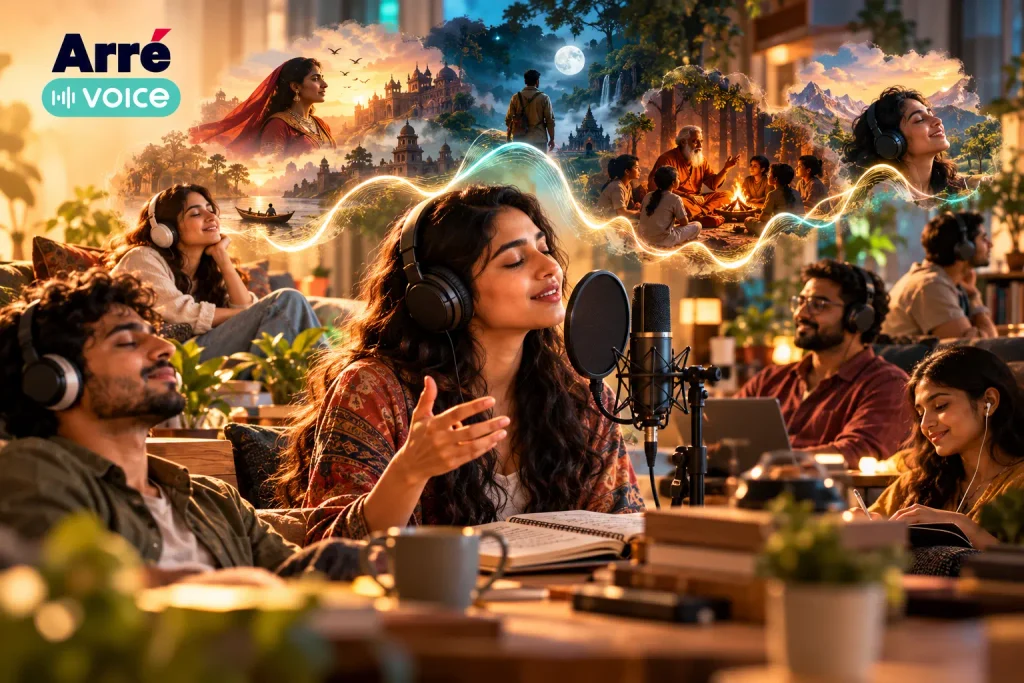
Arré Voice provides a voice-first platform where creators and listeners can discover, create, and engage with stories through audio.
By combining storytelling, creator expression, and community interaction, Arré Voice creates a space where voices become the centre of digital experiences.
9.1 Discovering Audio Stories on Arré Voice
Arré Voice enables listeners to explore diverse audio experiences created by different voices and perspectives.
Users can discover:
Diverse Stories
Listeners can explore stories across different themes, including:
- Fiction
- Personal experiences
- Cultural narratives
- Creative storytelling
Creator Voices
Every creator brings a unique perspective through their voice.
Voice allows audiences to connect with:
- Individual storytelling styles
- Personal expressions
- Unique viewpoints
Regional Content
Voice-based platforms create opportunities for diverse languages, cultures, and regional stories to reach wider audiences.
Story Discovery
Arré Voice helps users discover new stories through creator-led content and community-driven experiences.
9.2 Creating and Sharing Audio Stories
Audio storytelling is becoming more accessible for creators who want to express ideas without traditional production barriers.
Arré Voice enables creators to share their voices through:
Voicepods
Voicepods allow creators to publish voice-based content and share ideas, stories, and conversations with audiences.
Creators can use Voicepods to:
- Express thoughts
- Share stories
- Build their voice identity
- Connect with listeners
Creator Storytelling
Creators can use voice to tell stories in a more personal format.
This enables:
- Authentic expression
- Direct audience connection
- Creative storytelling
Voice-Based Creation
Voice-based creation allows creators to focus on ideas and expression without depending only on complex visual production.
9.3 Building Communities Around Stories
Stories become more meaningful when people can discuss, share, and connect around them.
Arré Voice supports community-driven storytelling through features that encourage participation.
Voicepools
Voicepools allow creators to start conversations and invite audience responses.
Creators can:
- Ask questions
- Collect opinions
- Encourage discussions
Voiceclubs
Voiceclubs help users create communities around shared interests and conversations.
They allow people to connect around:
- Stories
- Topics
- Interests
- Creator-led discussions
Discussions and Listener Participation
Strong storytelling communities are built through interaction.
Listeners can participate by:
- Sharing thoughts
- Responding to creators
- Joining conversations
- Connecting with other listeners
This transforms audio stories from one-way content into interactive experiences.
The Future of Audio Stories and Voice-Based Entertainment
The future of entertainment is moving toward experiences that are more personalised, interactive, and creator-driven.
Audio stories are becoming an important part of this evolution by combining storytelling, technology, and human connection.
10.1 The Growth of Voice-First Storytelling
Voice-first storytelling is expanding as technology makes creating and consuming audio content easier.
Key developments include:
Voice Technology
Advances in voice technology are enabling:
- Better narration experiences
- New creator tools
- More personalised audio content
Audio Entertainment Evolution
Audio entertainment is moving beyond traditional formats.
Future experiences may include:
- Interactive stories
- Creator-led audio experiences
- Personalised recommendations
- Community-based storytelling
New Storytelling Formats
Creators are experimenting with new ways to tell stories through:
- Voice interactions
- Hybrid audio formats
- AI-assisted creation
- Immersive listening experiences
10.2 Why Audio Stories Will Shape Future Digital Experiences
Audio stories are likely to play an important role in the future of digital entertainment because they combine convenience, creativity, and connection.
Personalised Storytelling
Technology is enabling more personalised experiences based on:
- Listener interests
- Content preferences
- Creator discovery
AI-Assisted Creation
AI tools are helping creators improve workflows by supporting:
- Story development
- Voice production
- Content creation
However, human creativity and emotional storytelling remain central to meaningful experiences.
Creator-Driven Audio Ecosystems
The future of audio will increasingly involve creators building direct relationships with audiences through:
- Stories
- Conversations
- Communities
- Voice-based experiences
Community-Based Entertainment
Entertainment is moving beyond passive consumption toward participation.
Future audio platforms will focus on helping people:
- Discover stories
- Connect with creators
- Join communities
- Share experiences
Audio stories represent a shift toward a more personal and human approach to digital entertainment, where voices, stories, and communities come together.
Frequently Asked Questions
What are audio stories?
Audio stories are storytelling experiences delivered through voice narration, sound effects, and audio production. They allow listeners to experience fiction, real-life stories, educational content, and entertainment without continuous screen usage.
How are audio stories different from podcasts?
Audio stories are primarily focused on narrative experiences with characters, plots, and storytelling structures, while podcasts usually focus on conversations, interviews, discussions, or topic-based episodes.
Where can I listen to audio stories?
You can listen to audio stories through audio streaming platforms, digital storytelling platforms, and voice-first platforms that offer narrated stories, creator-led content, audio dramas, and voice experiences.
Why are audio stories becoming popular?
Audio stories are becoming popular because they offer flexible entertainment, reduce dependence on screen-based content, and allow people to enjoy storytelling while travelling, working, or relaxing.
What are the different types of audio stories?
Common types of audio stories include fiction stories, fantasy narratives, real-life stories, mythological stories, audio dramas, educational stories, children’s stories, and creator-led voice stories.
Are audio stories better than video stories?
Audio stories and video stories offer different experiences. Audio stories focus on imagination, voice, and listening flexibility, while video stories rely on visual storytelling. The better format depends on personal preferences and content goals.
Can audio stories help reduce screen time?
Yes, audio stories can help reduce screen time by providing meaningful entertainment through listening instead of continuous visual consumption. They allow users to enjoy stories while reducing dependence on scrolling-based content.
How are AI tools changing audio storytelling?
AI tools are helping creators with story development, voice technology, narration support, and audio production workflows. They make audio storytelling more accessible while keeping human creativity and emotional expression important.
How can creators make audio stories?
Creators can make audio stories by developing a narrative, recording voice performances, adding sound effects, editing audio, and publishing through audio storytelling platforms or voice-first platforms.
How does Arré Voice help users discover audio stories?
Arré Voice helps users discover audio stories by connecting listeners with creator voices, diverse narratives, voice-based content, and community-driven storytelling experiences.


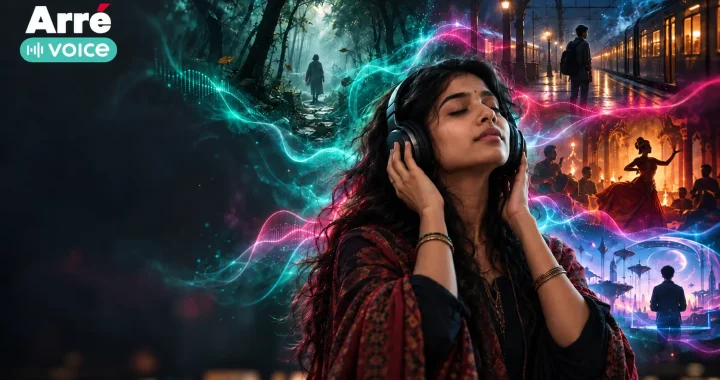
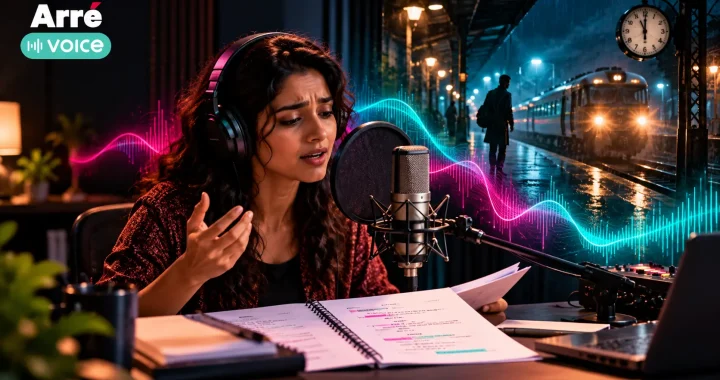
[…] a closer look at this format, readers can explore audio stories and how spoken narratives communicate experiences through […]