
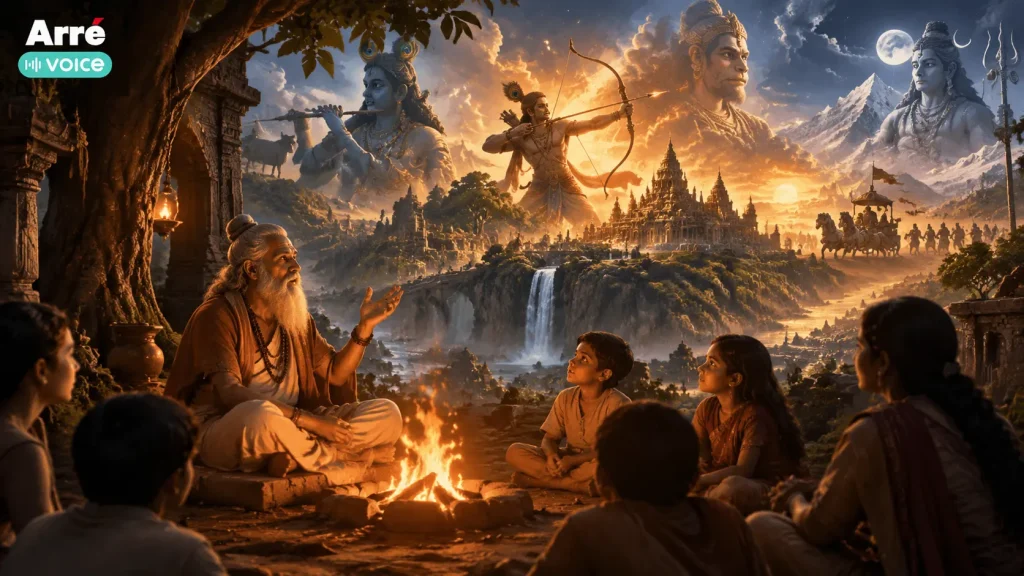
How Mythological Stories Preserve Culture, Wisdom, and Imagination
Mythological stories are traditional narratives that describe gods, heroes, supernatural beings, and extraordinary events while sharing cultural values, beliefs, and life lessons. These stories have been passed across generations and continue to influence literature, entertainment, and modern storytelling.
Mythological stories have been an important part of human civilisation for thousands of years. Across different cultures, people have created stories about gods, heroes, supernatural beings, and extraordinary events to explain the mysteries of life, understand human behaviour, and preserve cultural knowledge.
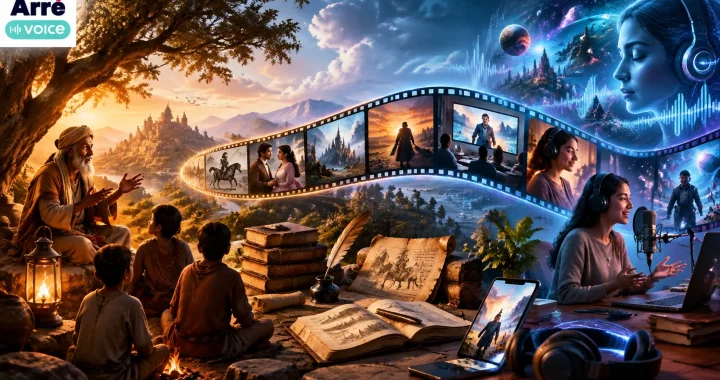
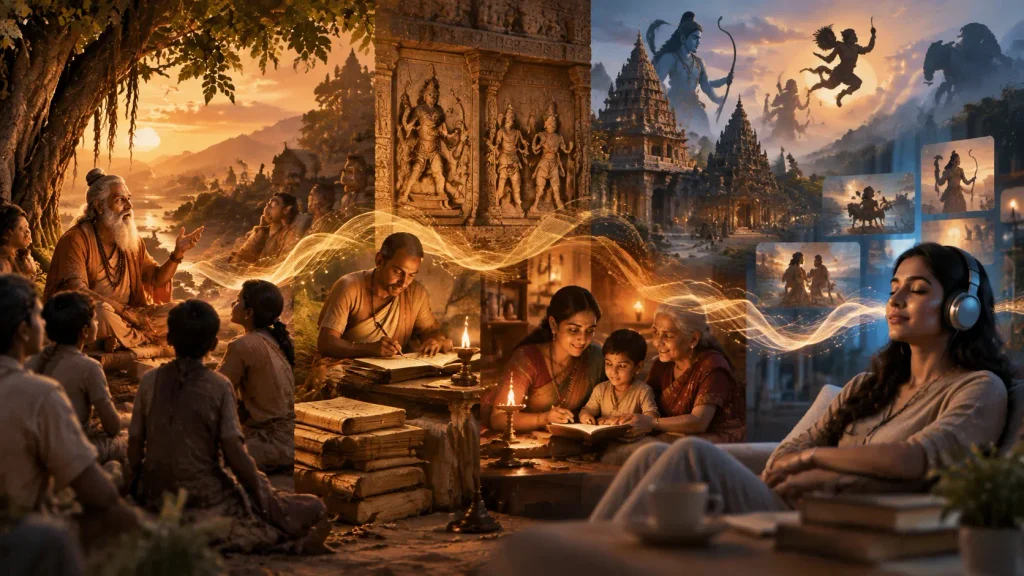
Before written literature became widely available, mythology was mainly preserved through oral storytelling. Communities relied on storytellers who passed these narratives from one generation to another through voice, memory, and performance. These stories carried the values, beliefs, traditions, and collective experiences of societies.
From Indian epics like the Ramayana and Mahabharata to Greek legends of gods and heroes, mythology has shaped the way cultures understand themes such as creation, courage, sacrifice, justice, and the relationship between humans and the universe.
The role of mythology goes beyond entertainment. These stories often communicate deeper lessons about life, including the importance of responsibility, the consequences of choices, the struggle between good and evil, and the search for wisdom.
Mythological stories continue to connect with audiences because their themes are universal. Although the characters and settings may belong to ancient worlds, the emotions and challenges they represent remain relevant today. Stories of heroes facing difficulties, characters making difficult decisions, and individuals discovering their purpose reflect experiences that people still encounter in modern life.
Over time, mythology has evolved from oral traditions into books, theatre, paintings, films, television series, podcasts, audiobooks, and digital storytelling platforms. Modern technology has created new opportunities to experience ancient narratives through immersive audio, character-driven storytelling, and interactive experiences.
The connection between mythology and modern storytelling shows that while storytelling formats continue to change, the human desire to share meaningful stories remains constant.
What Are Mythological Stories?
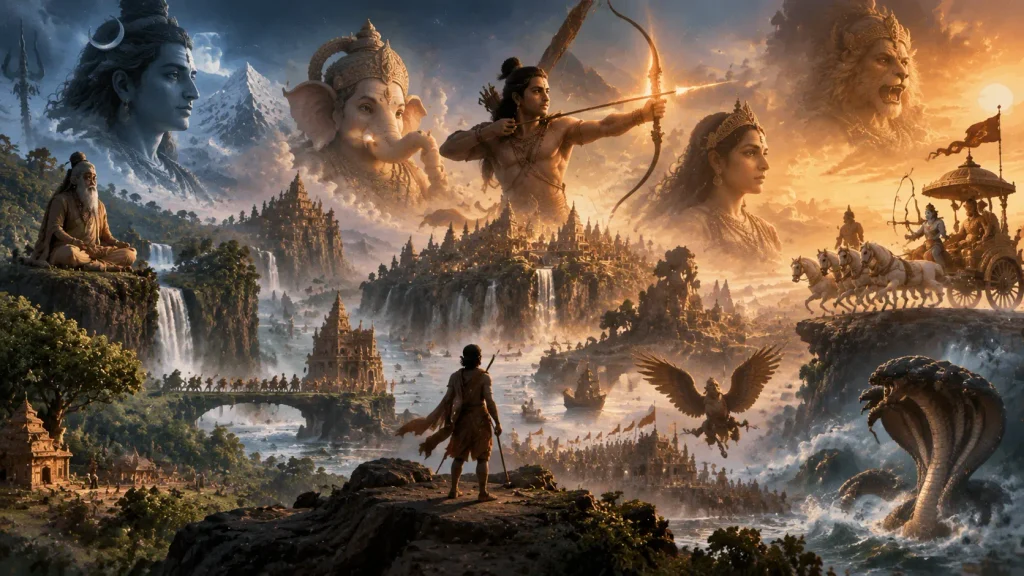
Mythological stories are traditional narratives that describe gods, goddesses, heroes, supernatural beings, and extraordinary events. These stories are often connected with the cultural beliefs, traditions, and philosophies of a society.
The purpose of mythology is not only to tell fascinating stories but also to explore deeper questions about existence, morality, human behaviour, and the relationship between people and the world around them.
Mythological stories often combine imagination with symbolic meaning. They use powerful characters, dramatic events, and extraordinary situations to communicate ideas about life and human experiences.
Common elements found in mythological stories include:
- Gods and goddesses representing different powers, qualities, or aspects of life
- Heroes and warriors who overcome challenges and demonstrate courage
- Supernatural beings with extraordinary abilities
- Epic battles representing conflicts between different forces
- Moral and philosophical lessons about choices, responsibilities, and values
Unlike simple fictional stories, mythology often explores larger questions such as:
- What defines good and evil?
- What responsibilities do humans have?
- How should people respond to challenges?
- What qualities make someone a true hero?
- How can individuals find balance and purpose?
Difference Between Mythological Stories, Folktales, Legends, Historical Stories, and Religious Narratives
Although these storytelling forms can overlap, they have different characteristics and purposes.
Mythological Stories
Mythological stories usually involve gods, divine beings, heroes, supernatural events, and symbolic narratives. They often explain cultural beliefs, philosophical ideas, and human experiences through imaginative storytelling.
Folktales
Folktales are traditional stories passed through communities and generations. They usually focus on everyday characters, common experiences, and moral lessons. Many folktales reflect the customs and values of a particular community.
Legends
Legends are stories connected with famous individuals, heroes, or historical events. While they may include fictional or exaggerated elements, they are often linked with people, places, or events believed to have existed.
Historical Stories
Historical stories are based on documented events, people, and periods from the past. Their primary purpose is to preserve knowledge about actual historical events.
Religious Narratives
Religious narratives are stories connected with spiritual traditions, teachings, and beliefs. They often explain religious practices, values, and concepts related to faith.
While these categories may share similarities, mythology stands apart because it combines cultural identity, symbolism, imagination, and philosophical exploration.
Mythological stories use narratives to explore important human experiences such as:
Human Nature
Mythology explores human emotions, desires, strengths, weaknesses, and conflicts through memorable characters and situations.
Good and Evil
Many mythological stories represent the struggle between different forces and explore how choices influence outcomes.
Duty and Responsibility
Characters often face difficult decisions that highlight the importance of responsibility, commitment, and moral values.
Courage and Sacrifice
Heroes in mythology frequently overcome challenges by demonstrating bravery, determination, and selflessness.
Relationships and Emotions
Mythological narratives explore relationships between families, friends, allies, and rivals, reflecting universal human emotions.
The ability of mythology to connect extraordinary stories with everyday human experiences is what makes these narratives meaningful across generations.
The Origins and History of Mythological Storytelling
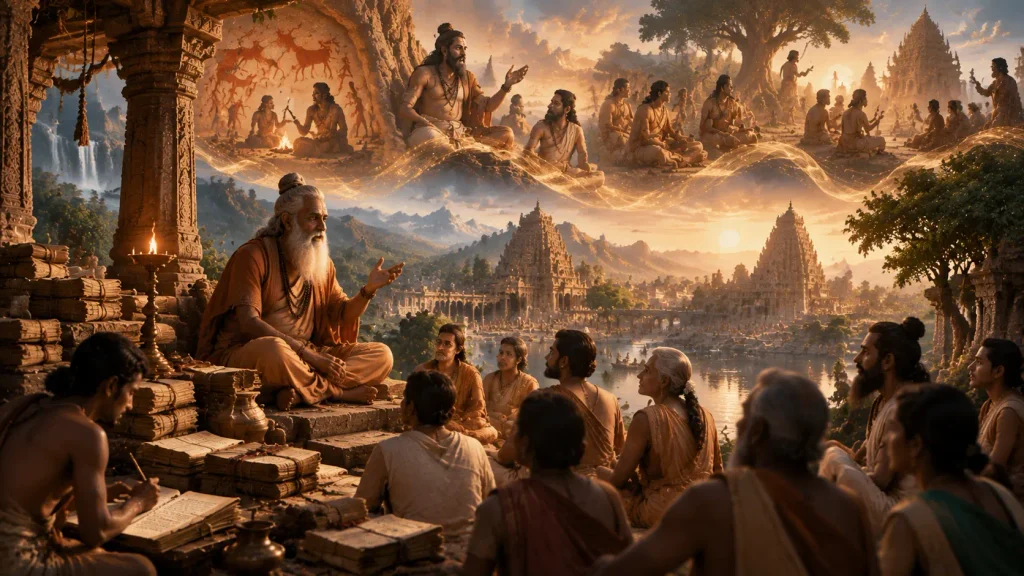
Mythological storytelling began as a way for ancient communities to understand the world, preserve knowledge, and pass cultural values from one generation to another.
Before written texts existed, stories were shared through spoken traditions. Storytellers played an important role in preserving narratives, maintaining cultural identity, and connecting communities through shared experiences.
Across civilisations, mythology developed through a combination of oral traditions, rituals, performances, and written texts.
Ancient Oral Storytelling Traditions
Ancient mythological stories were primarily preserved through oral storytelling. Before books and written records became common, communities depended on storytellers to remember and share important narratives.
Storytellers acted as cultural preservers who carried knowledge, traditions, and values through generations.
Oral storytelling involved:
- Passing stories from one generation to another
- Community storytelling gatherings
- Memorising long and complex narratives
- Using voice, expressions, and performance techniques
The human voice played a central role in keeping mythology alive. A storyteller’s tone, rhythm, pauses, and emotions helped audiences connect with the characters and events within the story.
Performance was not only about sharing information; it was about creating an emotional experience.
For example, a dramatic narration of a hero’s journey or an emotional moment between characters could make the story more memorable and meaningful for listeners.
This connection between voice and storytelling continues today through podcasts, audiobooks, and digital audio experiences.
Modern audio storytelling follows many principles used by ancient storytellers:
- Engaging narration
- Character-driven voices
- Emotional expression
- Immersive sound experiences
Although technology has changed, the importance of voice in storytelling remains the same.
Indian Mythological Storytelling Traditions
Indian mythology represents one of the world’s richest storytelling traditions. For thousands of years, stories have been preserved through oral narration, ancient texts, performances, festivals, and cultural practices.
Indian mythological storytelling combines philosophy, spirituality, ethics, and human emotions. These stories are not only about gods and heroes but also explore important questions about duty, choices, relationships, and personal growth.
Major sources of Indian mythology include:
Ramayana
The Ramayana is an ancient epic that explores themes of duty, honour, relationships, and righteousness. The story follows Rama’s journey and his commitment to responsibility despite facing difficult challenges.
Mahabharata
The Mahabharata is a complex epic that explores human choices, conflicts, leadership, and moral dilemmas. It includes the Bhagavad Gita, which discusses concepts such as duty, action, and purpose.
Puranas
The Puranas are collections of stories about gods, creation, traditions, cosmic events, and philosophical ideas. They have played an important role in preserving cultural knowledge.
Indian mythology has also developed through diverse regional storytelling traditions. Different communities have created their own interpretations, languages, performances, and artistic expressions while preserving common themes.
Know more about>>>
→ Indian Storytelling Traditions
Mythology Across Different Cultures
Mythological storytelling exists across almost every civilisation. Although different cultures have unique characters and traditions, many mythologies explore similar themes related to creation, heroism, morality, and human struggles.
Greek Mythology
Greek mythology includes stories of gods, heroes, and legendary figures such as Zeus, Athena, and Hercules. These stories often explore themes of power, ambition, courage, and human limitations.
Norse Mythology
Norse mythology features gods and heroes such as Thor and Odin. Its stories explore themes of bravery, destiny, sacrifice, and the relationship between humans and powerful forces.
Egyptian Mythology
Egyptian mythology includes stories about gods, creation, death, and the afterlife. These narratives reflect ancient beliefs about existence, nature, and spirituality.
Indian Mythology
Indian mythology includes vast collections of stories involving gods, heroes, divine beings, and philosophical teachings. Themes such as duty, balance, and righteousness are central to many narratives.
Despite differences in characters and traditions, mythologies across cultures often share common themes:
- Creation stories
- Hero journeys
- Divine characters
- Moral conflicts
- Human struggles
- Search for wisdom
This universal connection is one of the reasons mythological stories continue to inspire audiences around the world. They represent humanity’s shared desire to understand life, preserve knowledge, and express imagination through storytelling.
What Makes Mythological Stories Powerful?
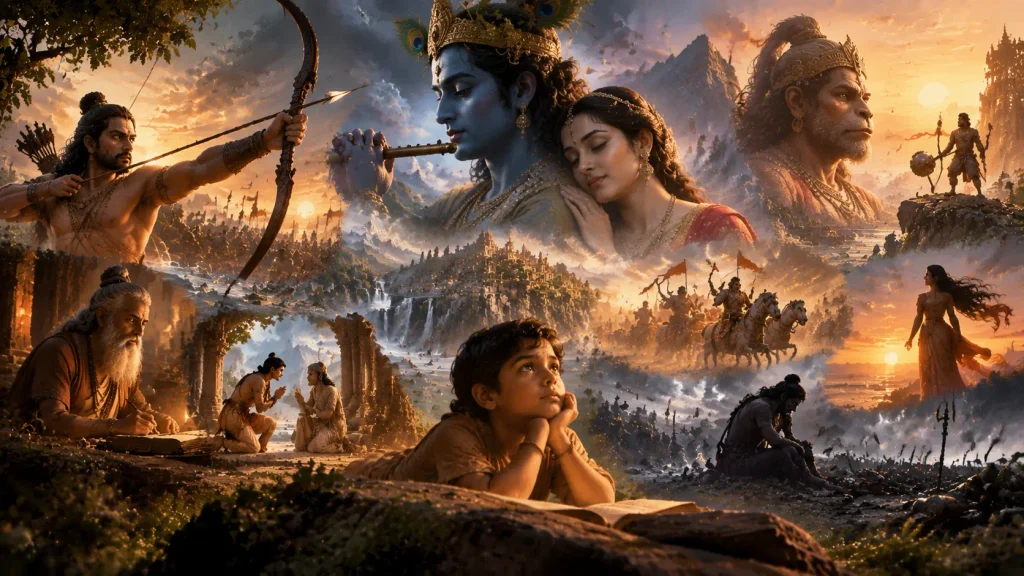
Mythological stories have remained relevant for centuries because they combine imagination, human emotions, and meaningful life lessons. While these stories often include gods, heroes, and supernatural events, their true power comes from how they reflect human experiences.
Through memorable characters, symbolic storytelling, and emotional narratives, mythology explores questions about identity, morality, relationships, and personal growth.
Memorable Characters and Heroes
One of the strongest elements of mythological stories is their ability to create unforgettable characters. These characters are not remembered only because of their extraordinary abilities, but because they represent different aspects of human nature.
Mythological characters often have:
- Unique personalities
- Strengths and weaknesses
- Personal challenges
- Emotional conflicts
- Transformational journeys
Unlike simple heroes who are always perfect, many mythological characters face difficult choices and personal struggles. These challenges make them relatable and allow audiences to connect with their journeys.
Rama: The Symbol of Duty and Responsibility
Rama from the Ramayana is often associated with responsibility, discipline, and commitment to values. His journey represents the challenges of following one’s principles even during difficult situations.
His story explores:
- The importance of keeping promises
- Balancing personal emotions with responsibilities
- Leading with integrity
Krishna: The Guide and Strategist
Krishna’s character combines wisdom, leadership, and compassion. His stories range from playful childhood experiences to profound philosophical teachings in the Bhagavad Gita.
Krishna represents:
- Wisdom in decision-making
- Understanding life’s challenges
- The importance of action and purpose
Arjuna: The Hero Facing Inner Conflict
Arjuna from the Mahabharata represents the struggles people face when making difficult decisions. His doubts before the great battle reflect human uncertainty and the search for clarity.
His journey explores:
- Overcoming fear
- Understanding responsibility
- Finding confidence through knowledge
Hercules: Strength and Perseverance
In Greek mythology, Hercules is known for his extraordinary strength and challenging quests. His stories highlight perseverance and the ability to overcome difficult situations.
Thor: Courage and Protection
Thor from Norse mythology represents bravery, strength, and the responsibility to protect others. His stories explore themes of courage and facing powerful challenges.
These characters remain memorable because they represent different qualities that people continue to value — courage, wisdom, responsibility, resilience, and self-discovery.
Universal Human Lessons
The lasting appeal of mythological stories comes from the universal lessons they communicate. Although these stories originate from different cultures and time periods, the challenges faced by their characters reflect experiences that people still encounter today.
Mythology explores themes such as:
Courage
Many mythological stories show heroes overcoming fear, uncertainty, and impossible challenges. These narratives highlight the importance of courage when facing difficult situations.
Leadership
Mythological leaders often demonstrate qualities such as decision-making, responsibility, and the ability to guide others during times of crisis.
Loyalty
Stories involving friendships, families, and alliances often highlight the importance of trust, commitment, and standing with others during challenges.
Compassion
Many mythological narratives explore kindness, empathy, and understanding as important human qualities.
Justice
The conflict between right and wrong is a common theme in mythology. These stories explore the consequences of choices and the importance of fairness.
Self-Discovery
Many heroes experience personal transformation. Their journeys often involve learning about themselves, understanding their purpose, and developing inner strength.
These lessons remain relevant because human emotions and challenges do not change significantly over time. Modern audiences continue to connect with mythological stories because they reflect real experiences such as making choices, facing uncertainty, and discovering personal identity.
Symbolism and Deeper Meaning
Mythological stories often communicate deeper ideas through symbols, metaphors, and extraordinary events. Instead of presenting lessons directly, mythology uses characters and narratives to represent broader human experiences.
Characters as Symbols
Many mythological characters represent specific qualities, ideas, or aspects of human nature.
For example:
- Heroes may represent courage and responsibility
- Wise figures may represent knowledge and guidance
- Villains may represent uncontrolled desires or negative qualities
These symbolic representations allow stories to communicate complex ideas in a simple and memorable way.
Stories as Metaphors
Mythological narratives often use imaginary worlds and extraordinary events to explore real human experiences.
A hero’s journey may represent:
- Personal growth
- Overcoming challenges
- Discovering one’s purpose
A battle between opposing forces may represent:
- Internal struggles
- Moral decisions
- Conflicts between different values
Conflicts That Explain Human Experiences
Many mythological conflicts are not only physical battles but also represent deeper emotional and philosophical struggles.
They explore questions such as:
- How should people respond to difficult situations?
- What defines a good decision?
- How can individuals balance personal desires with responsibilities?
This symbolic nature allows mythology to remain meaningful across different generations and cultures.
The Role of Emotion in Mythological Stories
Emotion is one of the strongest reasons mythological stories continue to connect with audiences. Behind the extraordinary events and supernatural characters are human experiences that people understand and relate to.
Mythological stories explore powerful emotions such as:
Love
Relationships between family members, friends, and partners create emotional depth in many mythological narratives.
These stories explore:
- Devotion
- Connection
- Separation
- Commitment
Sacrifice
Many mythological characters make difficult sacrifices for their values, families, communities, or responsibilities.
These moments highlight:
- Selflessness
- Dedication
- The importance of larger purposes
Conflict
Conflict creates tension and allows stories to explore difficult choices and opposing perspectives.
Mythological conflicts often represent:
- Personal struggles
- Moral challenges
- The battle between different forces
Hope
Even during difficult moments, mythology often presents themes of resilience and the possibility of positive transformation.
Redemption
Many mythological narratives explore the possibility of change, learning, and personal growth after mistakes.
Emotional storytelling creates lasting connections because audiences do not only remember events — they remember the feelings, choices, and experiences behind those events.
This emotional depth is one reason mythological stories continue to inspire books, films, podcasts, and modern digital storytelling experiences.
Famous Indian Mythological Stories and Their Lessons
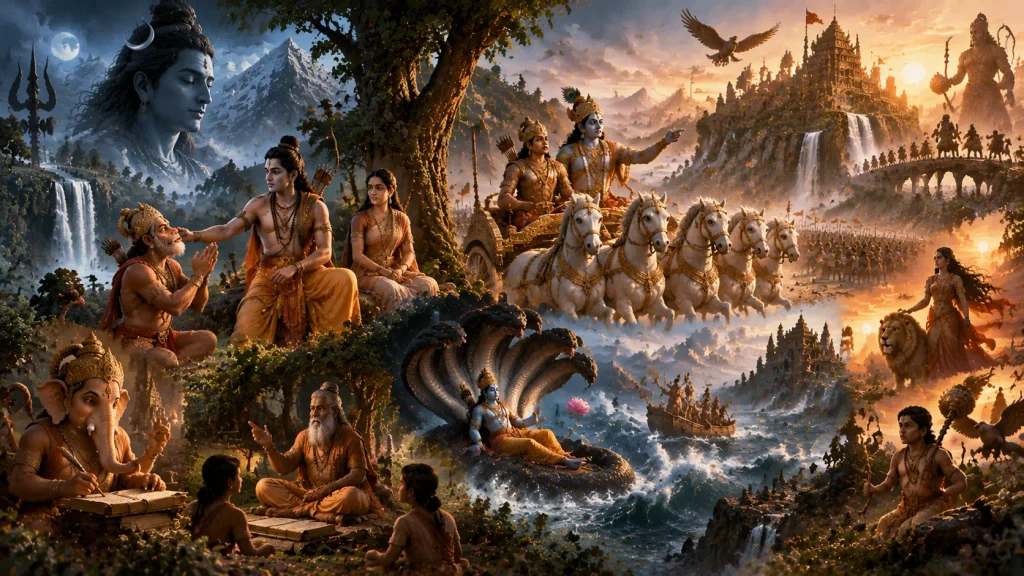
Indian mythology contains some of the world’s most influential storytelling traditions. These stories have been passed through generations through oral narration, ancient texts, performances, and modern adaptations.
Beyond their extraordinary characters and events, Indian mythological stories explore important themes such as duty, morality, leadership, relationships, courage, and the consequences of human choices.
Stories from epics like the Ramayana and Mahabharata, along with narratives about Krishna, Shiva, and Devi, continue to inspire audiences because they address timeless questions about life and human behaviour.
Ramayana: The Story of Dharma and Duty
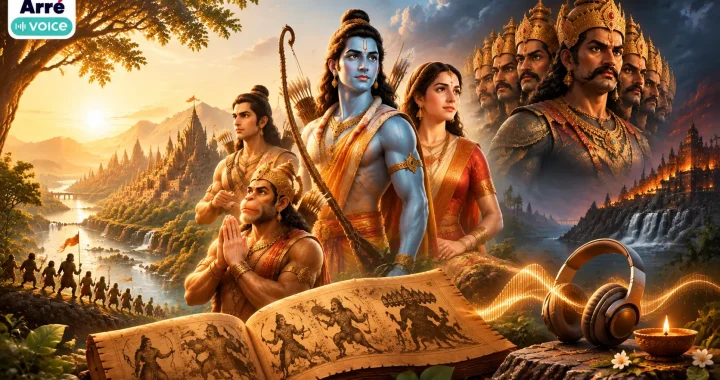
The Ramayana is one of the most celebrated Indian mythological stories, traditionally attributed to the sage Valmiki. It tells the journey of Lord Rama, his challenges, responsibilities, and his commitment to righteousness.
The story follows Rama, the prince of Ayodhya, who is sent into exile for fourteen years due to a promise made by his father, King Dasharatha. During his exile, Rama faces numerous challenges, including the abduction of his wife Sita by Ravana, the king of Lanka.
With the support of his brother Lakshmana, Hanuman, and an army of allies, Rama defeats Ravana and returns to Ayodhya.
Key Characters in Ramayana
Important characters include:
- Rama — Represents duty, responsibility, and righteousness
- Sita — Represents strength, resilience, and devotion
- Lakshmana — Represents loyalty and sacrifice
- Hanuman — Represents devotion, courage, and dedication
- Ravana — Represents knowledge, power, and the consequences of uncontrolled desires
Lessons From Ramayana
The Ramayana explores important values such as:
- Responsibility — Understanding and fulfilling one’s duties
- Integrity — Staying committed to principles during difficult situations
- Courage — Facing challenges with determination
- Relationships — The importance of loyalty, trust, and sacrifice
The story remains relevant because it explores choices people face in everyday life — balancing personal desires, responsibilities, and moral values.
Mahabharata: The Epic of Choices and Consequences
The Mahabharata is one of the longest epic narratives in the world and explores complex human emotions, relationships, and moral dilemmas.
The story revolves around the conflict between the Pandavas and the Kauravas, two groups of cousins competing for power and control of the kingdom.
Unlike simple stories of good versus evil, the Mahabharata presents characters with strengths, weaknesses, and complicated choices. It explores how personal decisions can influence individuals, families, and entire societies.
Complex Characters in Mahabharata
The epic includes many memorable characters:
- Arjuna — A skilled warrior facing difficult moral decisions
- Krishna — A guide who provides wisdom and perspective
- Yudhishthira — Represents truth and responsibility
- Bhishma — Represents loyalty and commitment
- Karna — Represents generosity, loyalty, and personal conflict
Lessons From Mahabharata
The Mahabharata explores themes such as:
- The consequences of choices
- The complexity of human nature
- The importance of justice
- The challenges of leadership
- The conflict between personal emotions and responsibilities
The Bhagavad Gita, which is part of the Mahabharata, presents a conversation between Krishna and Arjuna about duty, action, and finding purpose during difficult situations.
The lasting popularity of the Mahabharata comes from its realistic portrayal of human struggles and moral challenges.
Krishna Stories: Wisdom, Playfulness, and Leadership
Stories of Krishna are among the most popular narratives in Indian mythology. They describe different stages of Krishna’s life, from his childhood adventures to his role as a guide and leader.
Krishna stories combine elements of joy, wisdom, courage, and philosophy. They are shared through various traditions, regional storytelling styles, music, dance, and devotional practices.
Childhood Stories of Krishna
Popular childhood stories include:
- Krishna’s playful activities in Vrindavan
- His relationship with friends and villagers
- Stories showing his courage and intelligence
These stories often highlight themes of innocence, creativity, and the importance of joy.
Krishna and the Bhagavad Gita
Krishna’s teachings in the Bhagavad Gita focus on important ideas such as:
- Performing responsibilities with dedication
- Understanding the purpose behind actions
- Maintaining balance during challenges
- Developing self-awareness
Lessons From Krishna Stories
Krishna’s stories teach:
- The importance of wisdom alongside action
- The value of leadership and guidance
- The ability to face challenges with confidence
- The balance between responsibility and happiness
The combination of philosophy and engaging storytelling has helped Krishna narratives remain meaningful across generations.
Stories of Shiva: Transformation and Creation
Stories of Shiva represent one of the most powerful traditions in Indian mythology. Shiva is often associated with transformation, destruction, creation, meditation, and balance.
Rather than representing destruction alone, Shiva’s stories explore the idea that transformation is a natural part of existence. Endings can create opportunities for new beginnings.
Symbolism of Shiva
Shiva is represented through various symbols, each carrying deeper meanings:
- Third eye — Represents awareness and wisdom
- Trident (Trishula) — Represents power and balance
- Meditation — Represents inner peace and self-control
- Nataraja form — Represents the cosmic cycle of creation and transformation
Stories and Interpretations
Stories of Shiva often explore themes such as:
- Overcoming challenges
- Controlling emotions and desires
- Finding balance between different forces
- Understanding transformation
Lessons From Shiva Stories
Shiva narratives highlight:
- The importance of change and growth
- The value of inner strength
- The need for balance in life
- The connection between creation and transformation
These stories continue to inspire art, literature, music, and modern storytelling.
Stories of Devi: Strength and Courage
Stories of Devi represent traditions centred around feminine power, strength, protection, and transformation. Goddess narratives appear in many forms across Indian mythology and highlight different aspects of courage and resilience.
Important Devi traditions include stories of:
- Durga
- Lakshmi
- Saraswati
- Kali
Each form represents different qualities, from strength and protection to knowledge and prosperity.
Symbolism of Feminine Power
Devi stories often explore:
- Courage in difficult situations
- Protection against injustice
- Strength and determination
- Wisdom and compassion
For example, stories of Goddess Durga’s battle against Mahishasura represent the victory of good over destructive forces.
Cultural Significance
Devi stories continue to influence:
- Festivals
- Art and sculpture
- Music and dance
- Literature
- Modern storytelling
These narratives preserve ideas of strength, resilience, and empowerment while connecting generations through cultural traditions.
Mythological Stories vs Folktales: What Is the Difference?
Mythological stories and folktales are both important forms of traditional storytelling. They preserve cultural knowledge, share values, and connect communities through narratives.
However, they differ in their themes, characters, and purposes.
| Mythological Stories | Folktales |
| Connected with gods, heroes, and cosmic events | Based on cultural stories and everyday characters |
| Often linked with traditions and beliefs | Usually focused on moral lessons |
| Includes supernatural elements | Can include realistic situations |
| Passed through religious and cultural traditions | Passed through community storytelling |
Similarities Between Mythological Stories and Folktales
Both storytelling forms:
- Preserve cultural heritage
- Pass knowledge between generations
- Teach values and lessons
- Use memorable characters and narratives
Both also rely heavily on storytelling techniques such as symbolism, emotions, and character development.
How They Contribute to Storytelling Heritage
Mythological stories preserve beliefs, philosophies, and cultural identities, while folktales often reflect everyday experiences and community wisdom.
Together, they demonstrate the power of storytelling in shaping how societies understand values, relationships, and human experiences.
Today, both mythological stories and folktales continue to evolve through books, films, podcasts, and digital audio experiences, allowing traditional narratives to reach new audiences.
Why Mythological Stories Are Still Popular Today
Mythological stories continue to attract audiences because they combine imagination, emotion, and meaningful lessons. Although many originated thousands of years ago, their themes remain connected with modern human experiences.
Cultural Connection
Mythological stories play an important role in preserving cultural heritage. They help communities maintain connections with traditions, values, and shared histories.
They continue to connect generations by:
- Preserving ancient narratives
- Passing traditions to younger audiences
- Creating a shared cultural identity
For many people, mythology represents more than stories; it represents a connection to history, family traditions, and cultural roots.
Entertainment and Modern Adaptations
Mythology has successfully adapted to modern entertainment formats.
Today, mythological stories appear in:
- Movies
- Television series
- Animation
- Books
- Podcasts
- Audio stories
Modern adaptations introduce these stories to audiences who may experience them through digital platforms rather than traditional narration.
Audio storytelling is especially powerful because it brings together narration, character voices, and sound design to create immersive experiences.
Learning Through Stories
Mythological stories continue to educate audiences through engaging narratives.
They explore:
- Values and ethics
- Philosophy and life lessons
- Decision-making
- Human behaviour
By presenting ideas through characters and situations, mythology allows audiences to understand complex concepts through storytelling rather than direct instruction.
This combination of entertainment and learning is one of the main reasons mythological stories remain relevant today.
Mythological Stories in Audio Storytelling
For centuries, mythology has been experienced through spoken storytelling. The human voice played an essential role in making ancient narratives memorable and emotionally powerful.
Modern audio storytelling continues this tradition by combining traditional narratives with digital technology.
Voice Bringing Ancient Stories to Life
Voice is one of the most powerful elements of storytelling. A narrator’s tone, emotion, and expression can influence how audiences experience a story.
In mythological storytelling, voice helps:
- Create memorable characters
- Express emotions
- Build connection with listeners
- Make ancient narratives more engaging
Character voices can bring heroes, gods, and mythical beings to life by giving each personality a distinct identity.
Creating Immersive Mythological Experiences
Modern audio production allows creators to transform mythology into cinematic experiences.
Immersive audio storytelling can include:
- Sound effects
- Background music
- Voice performances
- Atmospheric storytelling
These elements help listeners imagine ancient worlds, dramatic events, and emotional moments.
Reaching New Generations Through Audio
Digital audio platforms are helping mythology reach younger and wider audiences.
Modern audio experiences provide:
- Mobile-first storytelling
- Short and engaging narratives
- Regional language experiences
- Easy access to traditional stories
Know more about>>>
→ Audio Storytelling Platforms
→ AI Voice Stories
Through audio storytelling, ancient mythology can continue evolving while preserving the imagination, wisdom, and cultural identity behind these timeless tales.
How Creators Can Adapt Mythological Stories Today
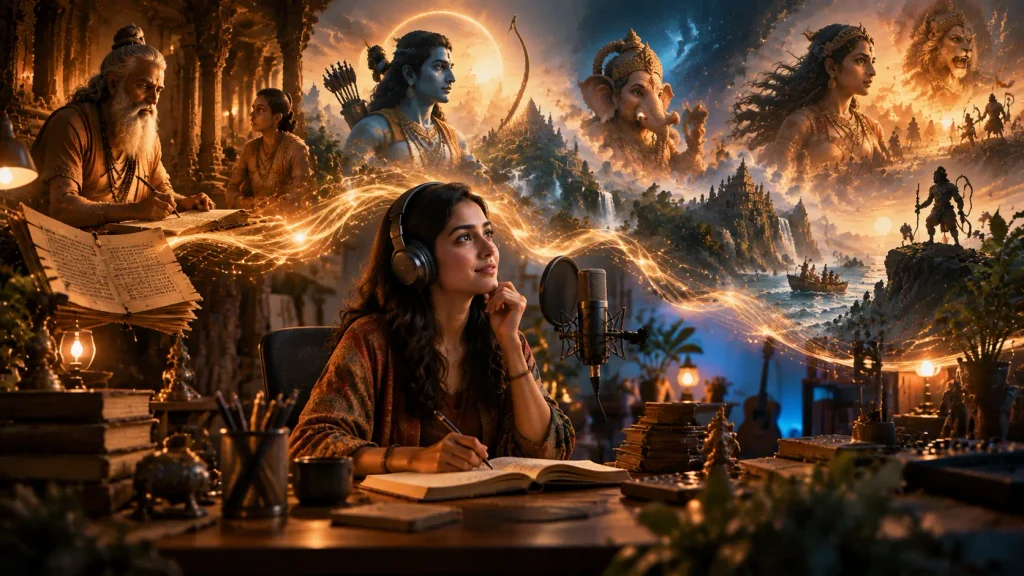
Mythological stories provide creators with a rich foundation for developing new storytelling experiences. Their powerful characters, emotional conflicts, and timeless themes allow creators to reinterpret ancient narratives while connecting them with modern audiences.
Today, creators are not limited to traditional books or performances. Through digital platforms, audio storytelling, and emerging technologies, mythology can be adapted into new formats while preserving its cultural significance.
Modern Story Adaptation
Modern adaptation allows creators to retell ancient mythological stories from fresh perspectives while maintaining their original themes and values.
Creators can explore mythology by:
- Retelling ancient stories for modern audiences
- Creating new perspectives around familiar characters
- Connecting traditional themes with contemporary experiences
- Making mythology easier to understand for younger generations
For example, a story about a mythological hero’s journey can be adapted to highlight modern themes such as leadership, personal growth, decision-making, or overcoming challenges.
Modern interpretations do not replace traditional narratives. Instead, they create new ways for audiences to connect with stories that have existed for generations.
Creators can also explore different storytelling formats, including:
- Short-form mythological stories
- Character-focused narratives
- Modern retellings
- Interactive storytelling experiences
This approach helps mythology remain relevant while allowing creators to bring their own imagination and creativity into traditional narratives.
Audio Story Creation
Audio storytelling provides a powerful way to bring mythological stories to life. Since many ancient stories were originally shared through oral traditions, voice remains one of the most natural ways to experience mythology.
Creators can transform mythological narratives into engaging audio experiences through:
Script Writing
A well-developed script helps organise complex mythological stories into engaging narratives. Creators can focus on:
- Character motivations
- Emotional moments
- Story structure
- Dialogue development
A carefully adapted script can make ancient stories more accessible while preserving their original meaning.
Voice Narration
Voice narration plays an important role in creating emotional connections with listeners.
Creators can use narration to:
- Express character emotions
- Build atmosphere
- Highlight important moments
- Create memorable storytelling experiences
Different voices can help distinguish between heroes, gods, warriors, and other mythical characters.
Character Development
Mythological characters often have complex personalities, strengths, weaknesses, and transformations.
Creators can explore:
- Character backgrounds
- Emotional journeys
- Relationships between characters
- Personal challenges
This approach helps audiences connect with mythological figures beyond their traditional roles.
AI-Assisted Mythological Storytelling
Artificial intelligence is opening new possibilities for creators who want to adapt mythology into modern experiences. AI tools can support different stages of storytelling while allowing creators to maintain creative control.
Creators can use AI for:
Story Development
AI-assisted tools can help creators:
- Generate story ideas
- Improve narrative structures
- Explore different interpretations
- Develop creative variations
This allows creators to experiment with traditional stories while discovering new storytelling possibilities.
Character Voices
Voice technology enables creators to explore unique character experiences by developing different voice identities for mythological figures.
Creators can experiment with:
- Character-based voices
- Different narration styles
- Emotional voice delivery
- Distinct personalities
Voice Experimentation
AI voice technologies allow creators to test different approaches to storytelling before final production.
They can explore:
- Different voice styles
- Multiple character interactions
- New audio formats
- Immersive storytelling approaches
Multilingual Storytelling
India’s diverse languages create opportunities to make mythological stories accessible to wider audiences.
AI-powered language and voice technologies can support:
- Regional language storytelling
- Localised voice experiences
- Wider cultural accessibility
- Preservation of traditional narratives
Know more about>>>
→ Storytelling Bot
→ AI Voice Characters
By combining traditional storytelling knowledge with modern creative tools, creators can introduce mythology to new generations while preserving its cultural essence.
How AI Is Changing Mythological Storytelling
Artificial intelligence is transforming how ancient stories are created, preserved, and experienced. While mythology has always evolved through different forms of storytelling, AI is introducing new possibilities for making these narratives more interactive, accessible, and personalised.
AI does not replace the cultural importance of mythology. Instead, it provides creators with new tools to explore, adapt, and share traditional stories with modern audiences.
AI-Powered Narration
Voice technology is changing how audiences experience mythological stories. AI-powered narration can help creators produce engaging audio experiences with expressive voices and character-based storytelling.
AI narration can support:
- Faster audio production
- Consistent voice experiences
- Multiple storytelling formats
- Regional language adaptations
This allows traditional narratives to reach audiences who prefer listening over reading.
Digital Characters
AI is enabling the creation of digital characters that can interact, respond, and provide more immersive storytelling experiences.
Future mythology experiences may include:
- Interactive mythological characters
- Voice-based conversations
- Character-driven storytelling
- Personalised interactions
Instead of only listening to stories, audiences may be able to engage with characters and explore narratives in new ways.
Interactive Mythology Experiences
Traditional storytelling is often a one-way experience, where audiences listen or read. AI can help transform mythology into interactive experiences where users participate in the storytelling journey.
Examples include:
- Choosing different story paths
- Exploring character perspectives
- Asking questions about stories
- Experiencing personalised narratives
These experiences can make ancient stories more engaging for younger audiences.
Personalised Storytelling
AI can help create personalised storytelling experiences based on audience preferences.
Personalisation may include:
- Different narration styles
- Language preferences
- Story length adjustments
- Character-focused experiences
This allows audiences to experience mythology in formats that match their interests and needs.
Regional Language Preservation
One of the biggest opportunities of AI in mythology is supporting regional storytelling traditions.
AI-powered voice and language technologies can help:
- Preserve local versions of stories
- Support regional languages
- Expand access to cultural narratives
- Connect younger generations with traditional stories
By combining technology with cultural preservation, AI can help ensure that mythological stories continue reaching audiences worldwide.
The Future of Mythological Stories in Digital Storytelling
Mythological stories represent the connection between ancient wisdom and modern technology, allowing timeless narratives to reach new audiences through immersive digital experiences.
As storytelling continues to evolve, mythology will find new expressions through audio platforms, interactive experiences, and creator-driven digital content.
Growth of Audio Storytelling
Audio storytelling is creating new opportunities for preserving and sharing mythology. Through podcasts, audio platforms, and voice-based experiences, traditional narratives can reach audiences anytime and anywhere.
Future audio experiences may include:
- Cinematic mythological storytelling
- Character-driven audio series
- Regional language experiences
- Immersive sound environments
The combination of narration, music, and sound design can recreate the emotional impact of traditional storytelling in a modern format.
Interactive Characters
Future storytelling experiences may allow audiences to interact with mythological characters through voice and conversational technologies.
Interactive characters can create:
- More engaging learning experiences
- Personalised story exploration
- Deeper emotional connections
- New forms of entertainment
This shift moves storytelling from passive consumption toward active participation.
Voice-First Experiences
As people increasingly use voice technology, mythology can become more accessible through voice-first platforms.
Voice-based storytelling can help audiences:
- Discover stories through conversations
- Experience narratives hands-free
- Explore mythology in different languages
- Connect with characters through voice
Creator-Driven Cultural Storytelling
Creators will play an important role in bringing mythology into the digital future. With modern storytelling tools, creators can preserve traditional narratives while developing innovative experiences.
Creators can explore:
- Audio dramas
- Mythological podcasts
- Character-based stories
- Interactive cultural experiences
The future of mythology will depend on the balance between preserving traditional wisdom and embracing new creative possibilities.
How Arré Voice Helps Bring Mythological Stories to Life
Mythological stories have always been powered by voices. From ancient storytellers sharing epics through oral traditions to modern creators producing digital experiences, voice continues to be one of the strongest ways to connect audiences with stories.
Arré Voice enables creators and listeners to experience stories through voice, emotion, and imagination while exploring new formats of digital storytelling.
Through voice-based experiences, creators can:
- Develop immersive audio stories
- Explore cultural narratives
- Build character-driven experiences
- Connect with audiences through storytelling
By combining storytelling, technology, and community-driven experiences, Arré Voice helps creators discover new ways to share timeless narratives with modern audiences.
Discover timeless stories and create immersive voice experiences with Arré Voice.
Frequently Asked Questions
What are mythological stories?
Mythological stories are traditional narratives about gods, heroes, supernatural beings, and extraordinary events. They explore cultural beliefs, human values, moral lessons, and philosophical ideas that have been passed through generations.
What is the purpose of mythological stories?
Mythological stories help preserve cultural traditions, explain beliefs, teach life lessons, and explore themes such as courage, duty, morality, relationships, and human behaviour.
What are some famous Indian mythological stories?
Some famous Indian mythological stories include the Ramayana, Mahabharata, Krishna stories, Shiva stories, and Devi stories. These narratives explore themes of duty, wisdom, courage, sacrifice, and justice.
What is the difference between mythology and folklore?
Mythology usually involves gods, heroes, supernatural events, and cultural beliefs, while folklore consists of traditional community stories that often focus on everyday characters, experiences, and moral lessons.
Why are mythological stories still popular today?
Mythological stories remain popular because they explore universal human emotions, timeless values, and meaningful life lessons. They continue to inspire books, films, podcasts, animation, and digital storytelling.
What lessons do mythological stories teach?
Mythological stories teach lessons about responsibility, courage, leadership, compassion, justice, self-awareness, and the consequences of human choices.
What are the oldest mythological stories in the world?
Some of the oldest known mythological traditions include Mesopotamian, Egyptian, Greek, Indian, and Norse mythologies. Ancient Indian epics like the Ramayana and Mahabharata are among the world’s most influential mythological narratives.
How are mythological stories adapted into modern formats?
Mythological stories are adapted into movies, television series, books, podcasts, audiobooks, animation, and interactive digital experiences to reach new generations.
Can mythological stories be told through audio storytelling?
Yes, mythological stories are well suited for audio storytelling because narration, character voices, music, and sound effects can create immersive experiences and bring ancient narratives to life.
How is AI changing mythological storytelling?
AI is helping creators preserve and reimagine mythological stories through AI-powered narration, digital characters, multilingual storytelling, and interactive voice experiences while keeping traditional narratives accessible to modern audiences.