Why Audio Drama Podcasts Are Growing in Popularity
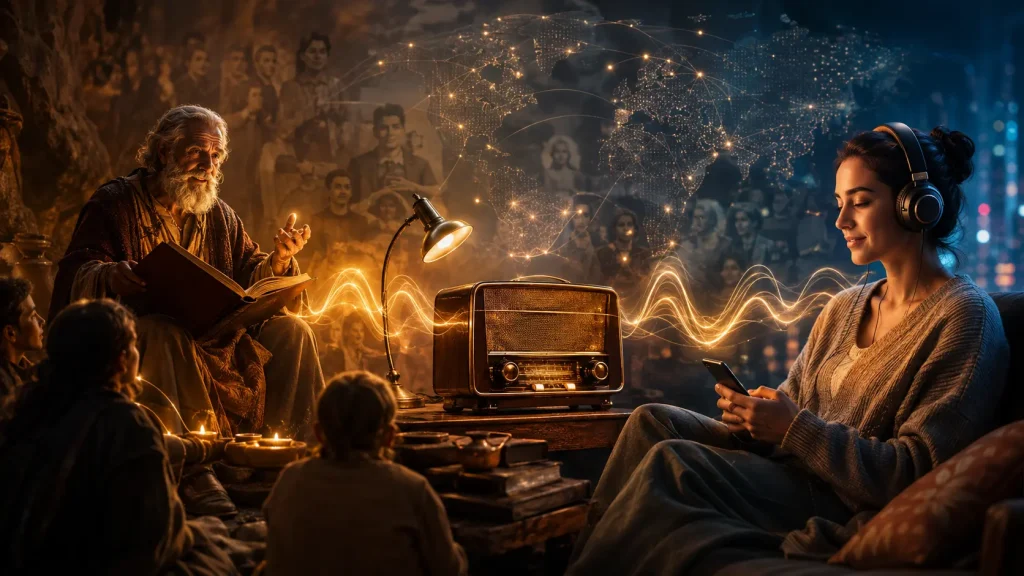
Audio drama podcasts are bringing storytelling back to its most imaginative form — using voices, sound, and creativity to help listeners experience stories without needing a screen.
Unlike traditional podcasts that usually focus on conversations, interviews, or discussions, audio dramas are designed as complete storytelling experiences. They combine voice performances, dialogue, music, and sound effects to create fictional worlds that listeners can explore through their imagination.
The growing popularity of audio drama podcasts reflects a larger shift in how people consume entertainment. Audiences are increasingly looking for content that fits into their daily routines while still offering meaningful and immersive experiences.
With smartphones, streaming platforms, and audio-first entertainment becoming more accessible, listeners can now discover stories while travelling, relaxing, exercising, or completing everyday activities.
Another reason behind the growth of audio dramas is the demand for deeper storytelling. While short-form videos provide quick entertainment, many audiences still want well-developed characters, emotional narratives, and stories that create lasting connections.
Audio drama podcasts also give creators new ways to experiment with storytelling. Writers, voice artists, and producers can build fictional worlds, develop memorable characters, and deliver cinematic experiences without relying on traditional visual production.
From mystery and thriller adventures to science fiction, fantasy, and character-driven fiction, audio dramas continue to expand the possibilities of modern storytelling.
As audio-first entertainment evolves, platforms like Arré Voice represent the next generation of storytelling where voices, creators, and communities come together to help audiences discover immersive audio experiences.
What Are the Best Audio Drama Podcasts?
The best audio drama podcasts combine engaging stories, memorable characters, professional voice acting, and immersive sound design. Popular audio dramas cover genres like mystery, horror, science fiction, fantasy, and fiction, allowing listeners to experience cinematic storytelling through sound. The right choice depends on your preferred genre and storytelling style.
Best Audio Drama Podcasts for Different Listening Preferences
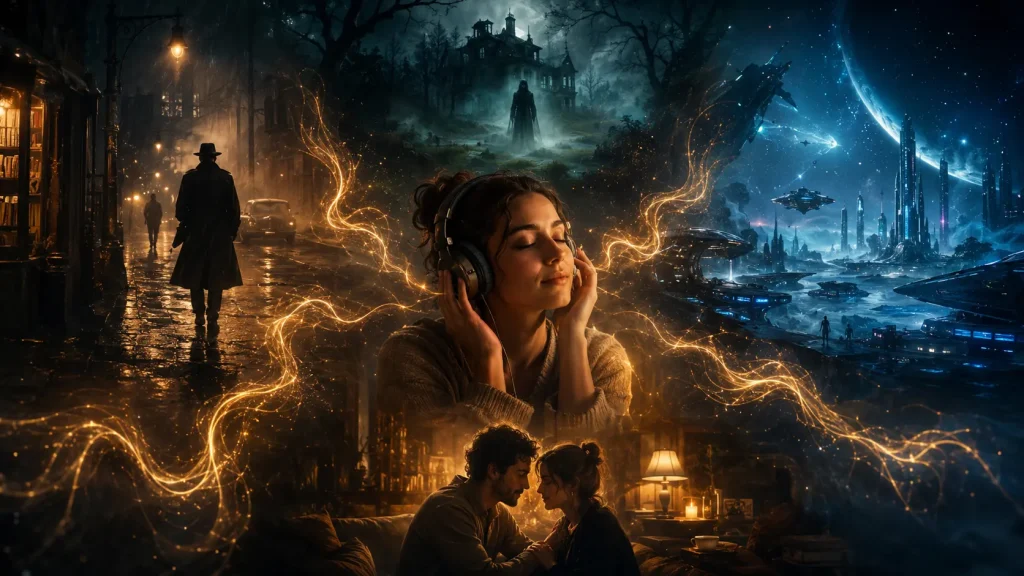
Different listeners look for different types of audio storytelling experiences. Some enjoy suspenseful mysteries, while others prefer emotional character journeys, imaginative worlds, or atmospheric horror.
When choosing the best audio drama podcasts, listeners should consider:
- Story quality and writing
- Voice acting performances
- Sound production and atmosphere
- Character development
- Episode format and storytelling approach
The strongest audio dramas create a connection between the listener and the story by using sound as the main storytelling tool.
Best Mystery and Thriller Audio Drama Podcasts
Mystery and thriller audio drama podcasts are ideal for listeners who enjoy suspense, investigations, and stories built around unanswered questions.
These audio dramas often focus on:
- Complex mysteries
- Psychological tension
- Unexpected discoveries
- Suspense-driven narratives
- Character investigations
The absence of visuals makes mystery audio dramas especially engaging because listeners actively imagine scenes and follow clues alongside the characters.
Strong thriller audio dramas use voice performances, pacing, and sound design to build anticipation and keep audiences engaged throughout each episode.
Best Horror Audio Drama Podcasts
Horror audio drama podcasts use sound to create fear, tension, and atmosphere without depending on visual effects.
This genre often relies on:
- Disturbing sound environments
- Atmospheric storytelling
- Psychological suspense
- Unpredictable narratives
- Emotional reactions
Because listeners create their own mental images, horror audio dramas can feel deeply personal and immersive. A carefully designed sound effect or voice performance can create tension in a way that encourages imagination.
For audiences who enjoy suspenseful and unsettling stories, horror audio dramas provide a unique listening experience where sound becomes the foundation of fear.
Best Science Fiction Audio Drama Podcasts
Science fiction audio drama podcasts transport listeners into futuristic worlds by exploring technology, space, artificial intelligence, and new possibilities of human experience.
These stories often include:
- Futuristic settings
- Advanced technology concepts
- Space exploration
- Alternative realities
- Detailed world-building
Audio is particularly effective for science fiction because creators can use sound design and narration to build environments that may be difficult to visually represent.
For listeners who enjoy exploring unknown worlds and imaginative possibilities, science fiction audio dramas offer some of the most creative storytelling experiences.
Best Fiction and Character-Driven Audio Drama Podcasts
Character-driven audio dramas focus on emotional storytelling, relationships, and the personal journeys of fictional characters.
Unlike stories built mainly around action or suspense, these audio dramas create engagement through:
- Strong character development
- Emotional performances
- Meaningful conversations
- Personal conflicts
- Relatable experiences
The strongest character-driven audio dramas make listeners feel connected to the people within the story.
By focusing on emotions, relationships, and human experiences, this genre creates memorable storytelling experiences that stay with audiences long after listening.
What Are Audio Drama Podcasts?
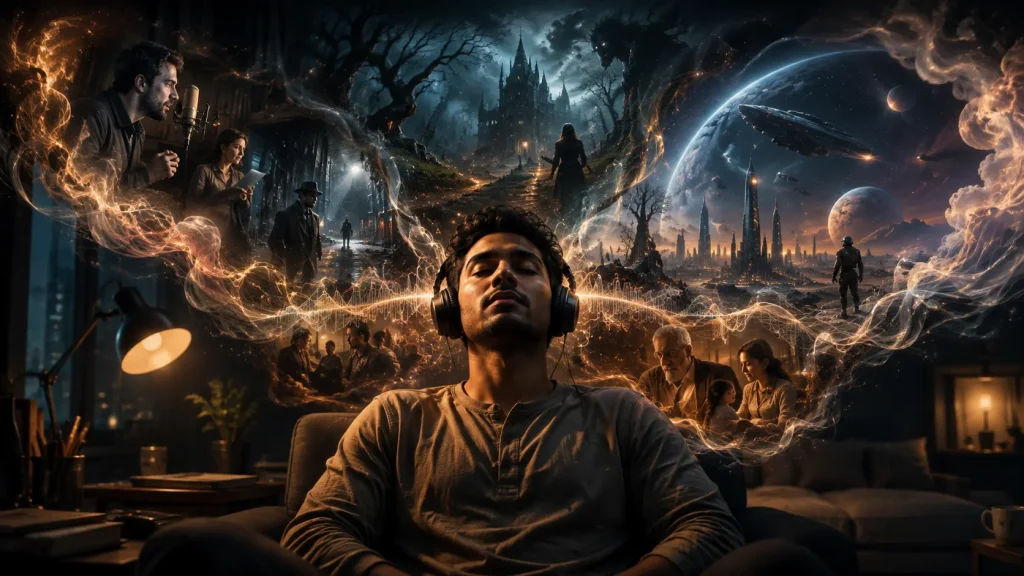
Audio drama podcasts are scripted audio productions that use voice acting, dialogue, music, sound effects, and narration to tell fictional stories.
They are similar to traditional radio dramas but are created for modern digital audiences through podcast platforms and audio streaming services.
Unlike regular podcasts that usually feature discussions, interviews, or conversations, audio drama podcasts are structured around characters, plots, and narrative experiences. They use sound as the primary storytelling medium to create locations, emotions, and fictional worlds in the listener’s imagination.
How Audio Drama Podcasts Work
Audio drama podcasts are created through a combination of storytelling, performance, and audio production processes.
The typical creation process includes:
- Developing the story concept
- Writing scripts and dialogue
- Recording voice performances
- Creating sound effects and background atmosphere
- Editing and mixing the final production
Each element contributes to the overall listening experience.
A simple conversation between characters can become more immersive through environmental sounds, background music, and emotional voice performances. These production techniques help listeners understand the setting, mood, and emotions of the story without visual support.
Unlike a narrated audiobook, an audio drama is designed as a performance where multiple creative elements work together to create a complete fictional experience.
Key Elements That Define Audio Drama Podcasts
Audio drama podcasts rely on several important elements that transform written stories into immersive audio experiences.
Voice Acting and Character Performance
Voice acting is one of the most important elements of an audio drama because characters exist entirely through sound.
Strong voice performances help communicate:
- Character personality
- Emotions and reactions
- Relationships between characters
- Story progression
Unlike visual entertainment, listeners cannot see facial expressions or body language. Voice actors must communicate emotions through tone, pacing, and delivery.
A powerful performance can make fictional characters feel realistic and help listeners build a deeper connection with the story.
Sound Effects and Audio Production
Sound effects and audio production create the environment where an audio drama takes place.
They help listeners imagine:
- Locations
- Actions
- Atmosphere
- Emotional moments
Sounds such as footsteps, weather, background conversations, music, and environmental details add depth to the storytelling experience.
High-quality sound design can make listeners feel present inside the story world rather than simply hearing characters speak.
Storytelling Structure and Narrative Depth
A strong audio drama depends on effective storytelling structure and well-developed narratives.
Important elements include:
- Engaging plots
- Clear character motivations
- Strong pacing
- Emotional moments
- Episode progression
Since audio dramas rely completely on sound, the story structure must keep listeners interested and guide them through the experience.
A well-written audio drama combines narrative depth with creative audio production to create stories that are immersive, memorable, and emotionally engaging.
What Makes the Best Audio Drama Podcasts Worth Listening To?
The best audio drama podcasts are not defined only by their stories. They create complete listening experiences by combining strong writing, memorable characters, professional performances, and immersive audio production.
Unlike traditional entertainment formats, audio dramas rely entirely on sound to build emotions, environments, and fictional worlds. The strongest productions make listeners feel connected to the story while allowing their imagination to complete the experience.
Engaging Stories and Strong Characters
A compelling story is the foundation of every successful audio drama podcast.
The best audio dramas create interest through:
- Well-developed characters
- Meaningful conflicts
- Strong narrative progression
- Unexpected moments
- Emotional storytelling
Since listeners cannot rely on visuals, the writing needs to clearly communicate character personalities, motivations, and relationships through dialogue and performances.
Strong characters help audiences develop emotional connections with the story. Whether it is a mystery investigation, a science fiction adventure, or a character-driven drama, memorable personalities are what encourage listeners to continue following a series.
A well-written audio drama does not simply tell a story; it creates characters that listeners remember.
Immersive Sound Design and Production Quality
Sound design is one of the defining elements that separates audio dramas from ordinary spoken content.
High-quality audio production uses:
- Environmental sound effects
- Background atmosphere
- Music composition
- Voice processing
- Professional audio mixing
These elements help create the feeling of being inside the story world.
For example, the sound of footsteps, distant conversations, weather, or background environments can instantly establish a location and mood without any visual support.
The best audio drama podcasts use sound strategically. Every audio element contributes to storytelling by building tension, creating emotions, and improving the overall listener experience.
Emotional Connection and Listener Experience
The strongest audio dramas create emotional connections that keep audiences engaged beyond individual episodes.
Listeners connect with stories through:
- Relatable characters
- Emotional performances
- Personal conflicts
- Meaningful themes
- Immersive storytelling
Because audio storytelling requires active imagination, listeners often develop a more personal relationship with the story. Every person may imagine characters and environments differently, creating a unique experience.
This combination of imagination and emotional involvement is one of the reasons audio drama podcasts continue to grow among audiences looking for deeper entertainment experiences.
10 Best Audio Drama Podcasts to Listen to in 2026
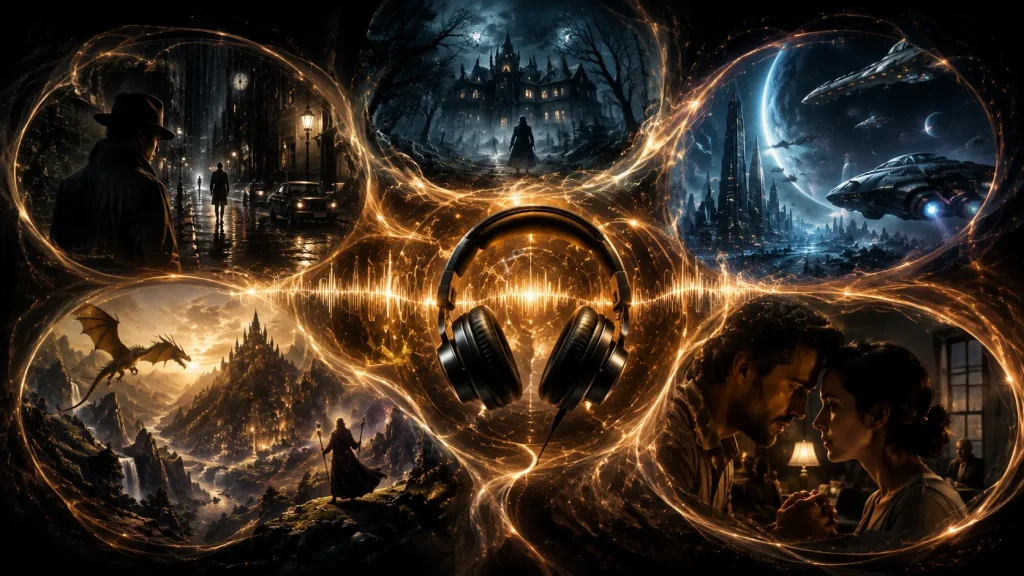
Audio drama podcasts have expanded across genres, from psychological thrillers and horror stories to science fiction adventures and character-focused narratives.
The following audio dramas are recognised for their storytelling quality, creative production, memorable characters, and immersive listening experiences.
1. The Magnus Archives
Genre: Horror, Mystery, Supernatural
The Magnus Archives is one of the most recognised horror audio drama podcasts, known for its atmospheric storytelling and interconnected supernatural mysteries.
The series follows an archivist investigating strange statements and unexplained events, gradually revealing a much larger mystery.
Its strength comes from detailed world-building, strong narration, and the way individual episodes connect into a broader story.
It is ideal for listeners who enjoy psychological horror, mystery, and slow-building suspense.
2. Wolf 359
Genre: Science Fiction, Comedy, Drama
Wolf 359 is a science fiction audio drama set aboard a spaceship orbiting a distant star.
The series combines humour, character relationships, and dramatic storytelling as the crew faces unexpected challenges.
Its appeal comes from strong character development and the evolving relationships between the crew members.
It is a good choice for listeners who enjoy science fiction stories focused on both technology and human experiences.
3. We’re Alive
Genre: Horror, Survival, Thriller
We’re Alive is a survival horror audio drama that places listeners in the middle of a post-apocalyptic world.
The series uses multiple characters, dramatic performances, and cinematic sound design to create an immersive experience.
Its production style makes listeners feel like they are experiencing events alongside the characters.
It is especially popular among audiences who enjoy survival stories, suspense, and action-driven narratives.
4. Limetown
Genre: Mystery, Thriller, Drama
Limetown follows an investigation into the disappearance of hundreds of people from a research facility.
The podcast uses an investigative journalism style combined with fictional storytelling to create suspense and curiosity.
Its strength lies in creating mystery through interviews, character conversations, and gradual discoveries.
Listeners who enjoy investigative stories and unexplained events often find this format highly engaging.
5. The Bright Sessions
Genre: Science Fiction, Drama, Supernatural
The Bright Sessions explores therapy sessions involving patients with unusual abilities.
The series focuses on character relationships, emotional experiences, and personal journeys rather than traditional action-based storytelling.
Its unique approach demonstrates how audio dramas can create powerful narratives through dialogue and character development.
It is suitable for listeners who enjoy emotional, character-focused stories.
6. The Truth
Genre: Fiction, Anthology, Drama
The Truth is an anthology audio drama featuring standalone fictional stories across different genres.
Each episode creates a complete world through voice performances, sound effects, and creative storytelling techniques.
Its variety makes it suitable for listeners who enjoy exploring different themes, characters, and narrative styles.
7. The Amelia Project
Genre: Comedy, Mystery, Fiction
The Amelia Project combines dark humour, mystery, and creative storytelling through fictional conversations and unusual situations.
The series follows a secret organisation that helps people disappear and start new identities.
Its unique concept, character performances, and storytelling style make it different from traditional audio dramas.
8. The White Vault
Genre: Horror, Mystery, Adventure
The White Vault is a found-footage-style audio drama set around an Arctic expedition.
The series uses environmental sounds, character interactions, and suspenseful storytelling to create a strong atmosphere.
Its detailed world-building and slow development make it appealing to listeners who enjoy mystery and exploration-based stories.
9. Welcome to Night Vale
Genre: Comedy, Fantasy, Fiction
Welcome to Night Vale presents a fictional radio show from a strange desert town where unusual events are treated as everyday occurrences.
The series combines surreal storytelling, humour, and imaginative world-building.
Its unique format demonstrates how audio storytelling can create memorable fictional environments through voice and writing alone.
10. The Deca Tapes
Genre: Science Fiction, Mystery, Thriller
The Deca Tapes is a science fiction mystery audio drama built around a unique storytelling structure.
The series gradually reveals information about its characters and world through multiple perspectives.
Its short format, creative narrative approach, and mystery-driven storytelling make it an engaging experience for listeners who enjoy complex fictional worlds.
These audio drama podcasts demonstrate the range of possibilities within audio storytelling, from horror and mystery to science fiction and emotional character journeys. As audio-first entertainment continues to grow, creators and platforms are exploring new ways to make stories more immersive, interactive, and accessible.
Audio Drama Podcasts vs Traditional Podcasts
Audio drama podcasts and traditional podcasts are both audio-based formats, but they serve different purposes. Traditional podcasts usually focus on conversations, interviews, opinions, or educational discussions, while audio dramas are designed as fictional storytelling experiences.
Understanding the difference helps listeners choose the format that best matches their interests, whether they want entertainment, information, or immersive storytelling.
Difference in Storytelling Format
Traditional podcasts are generally built around real-world conversations, expert discussions, interviews, or personal commentary. The content usually depends on the host, guests, and topics being discussed.
Audio drama podcasts, on the other hand, are scripted stories created around fictional characters, narratives, and imagined worlds. They follow storytelling structures similar to films or television shows, including character development, conflicts, and plot progression.
The main difference is that traditional podcasts communicate ideas and information, while audio dramas create fictional experiences that allow listeners to become part of the story.
Difference in Production Style
The production approach is one of the biggest differences between these two formats.
Traditional podcasts usually require:
- Hosts or presenters
- Recorded conversations
- Basic editing
- Intro and outro music
Audio drama podcasts require a more complex production process involving:
- Script writing
- Voice actors
- Character performances
- Sound effects
- Background music
- Cinematic audio mixing
Because audio dramas depend entirely on sound to create environments and emotions, production quality plays a major role in shaping the listener’s experience.
Difference in Listener Experience
Traditional podcasts are usually designed to inform, educate, or entertain through discussion. Listeners mainly focus on the information being shared by hosts or guests.
Audio drama podcasts create a more immersive experience by encouraging listeners to imagine characters, locations, and events through sound.
A listener does not simply hear a conversation; they experience a story world created through voices, music, and audio effects.
This makes audio dramas particularly appealing to audiences who enjoy fiction, imagination, and emotionally engaging storytelling.
Audio Drama Podcasts vs Audiobooks
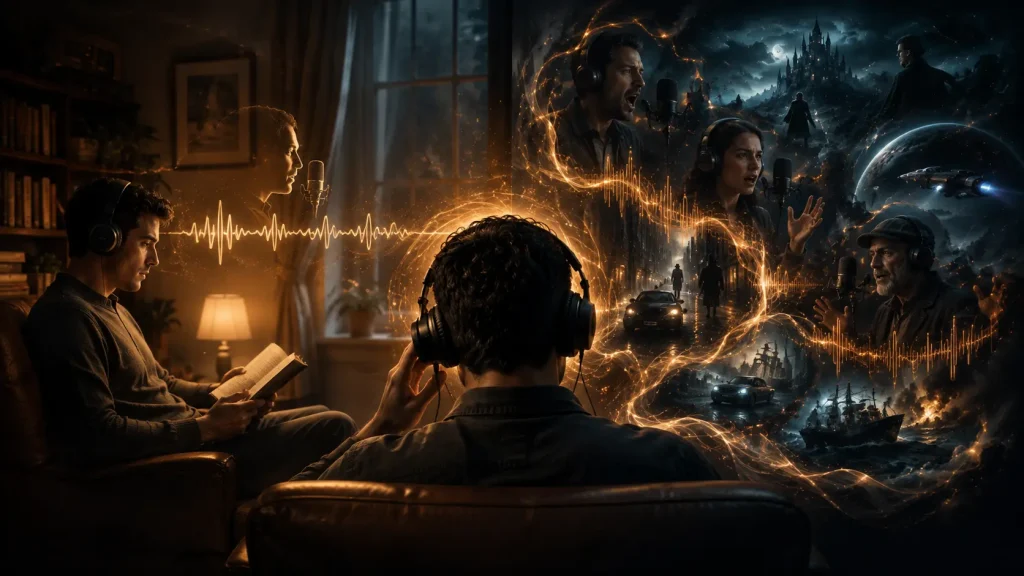
Audio drama podcasts and audiobooks both allow people to enjoy stories through listening, but the experience they provide is different.
Audiobooks focus on bringing written books to life through narration, while audio dramas transform stories into performed productions using multiple voices, sound effects, and dramatic elements.
The right choice depends on whether listeners prefer traditional narration or a more cinematic storytelling experience.
Audio Drama: Performance-Based Storytelling
Audio dramas are performance-based productions where stories are brought to life through actors, dialogue, and sound design.
Key elements include:
- Multiple character voices
- Emotional performances
- Sound effects
- Music and atmosphere
- Scripted scenes
Instead of one narrator describing events, listeners experience conversations and interactions between characters.
This creates a theatre-like experience where voices and sounds work together to build the story world.
Audio dramas are especially effective for genres such as mystery, horror, science fiction, and fantasy because sound can create immersive environments without requiring visuals.
Audiobooks: Narrated Reading Experiences
Audiobooks are audio versions of written books where a narrator reads the original text aloud.
They typically focus on:
- A single narrator’s performance
- The author’s original writing
- Detailed descriptions
- Longer-form storytelling
Audiobooks allow listeners to experience novels, biographies, and non-fiction books while continuing other activities.
The storytelling depends heavily on the narrator’s ability to communicate emotions, character differences, and the tone of the original book.
For readers who enjoy literature and long-form narratives, audiobooks provide a direct connection to written works.
Which Format Is Better for Different Audiences?
The better choice depends on the type of experience a listener wants.
Audio dramas are ideal for people who enjoy:
- Cinematic storytelling
- Fictional worlds
- Character performances
- Sound-based experiences
Audiobooks are better suited for listeners who prefer:
- Complete book adaptations
- Literary storytelling
- Narrated reading experiences
- Non-fiction learning
Both formats offer unique advantages. Audio dramas focus on immersive performance, while audiobooks preserve the depth and structure of written books.
Why Are Audio Drama Podcasts Becoming More Popular?
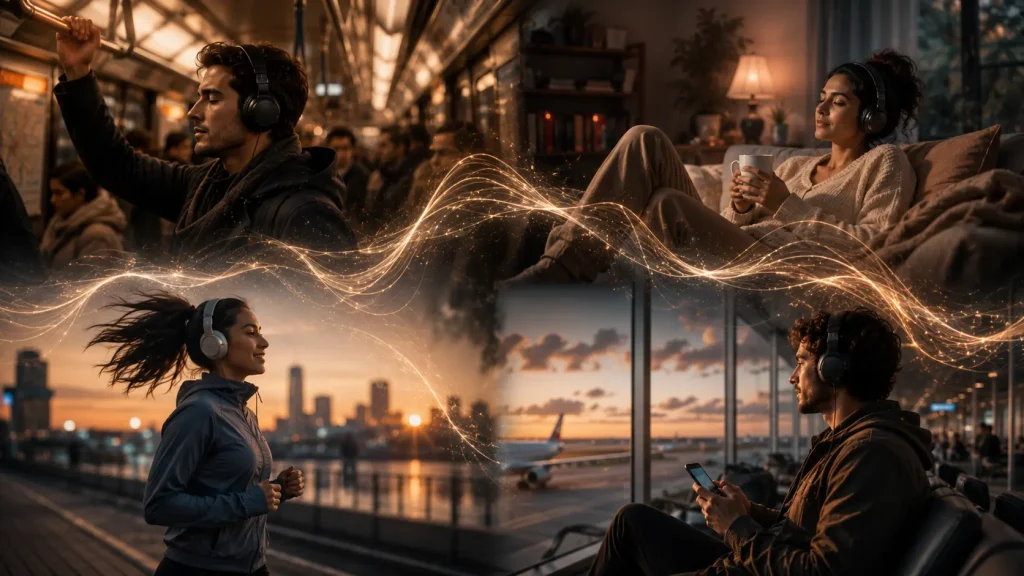
Audio drama podcasts are gaining popularity because they combine the power of storytelling with the convenience of modern digital entertainment.
As audiences spend more time on mobile devices and look for content that fits into their daily routines, audio has become an increasingly important way to discover stories.
The growth of audio-first platforms, improved production quality, and demand for immersive experiences are helping audio dramas reach new audiences worldwide.
Growth of Audio-First Entertainment
The rise of audio-first entertainment has changed how people consume stories and information.
Streaming platforms, smartphones, and connected devices have made audio content easier to access than ever before.
Listeners are increasingly discovering:
- Fictional audio stories
- Podcasts
- Audio series
- Voice-based entertainment
Unlike visual content, audio allows audiences to experience stories while continuing other activities. This flexibility has helped audio storytelling become a growing part of modern entertainment.
Listening While Multitasking
One major reason for the popularity of audio drama podcasts is that they fit naturally into busy lifestyles.
Listeners can enjoy stories while:
- Travelling
- Exercising
- Cooking
- Working
- Relaxing
This convenience allows audiences to consume entertainment without needing to focus on a screen.
Audio dramas provide a way to enjoy detailed storytelling during moments when watching videos or reading may not be practical.
Demand for Immersive Story Experiences
Modern audiences are increasingly looking for entertainment that creates stronger emotional connections.
Audio drama podcasts provide immersive experiences by combining:
- Engaging narratives
- Memorable characters
- Professional voice performances
- Detailed sound environments
Instead of passively consuming content, listeners actively imagine the world being created through sound.
This combination of imagination, emotion, and storytelling depth is one of the main reasons audio drama podcasts continue to attract new audiences.
How AI Is Transforming Audio Drama Podcasts
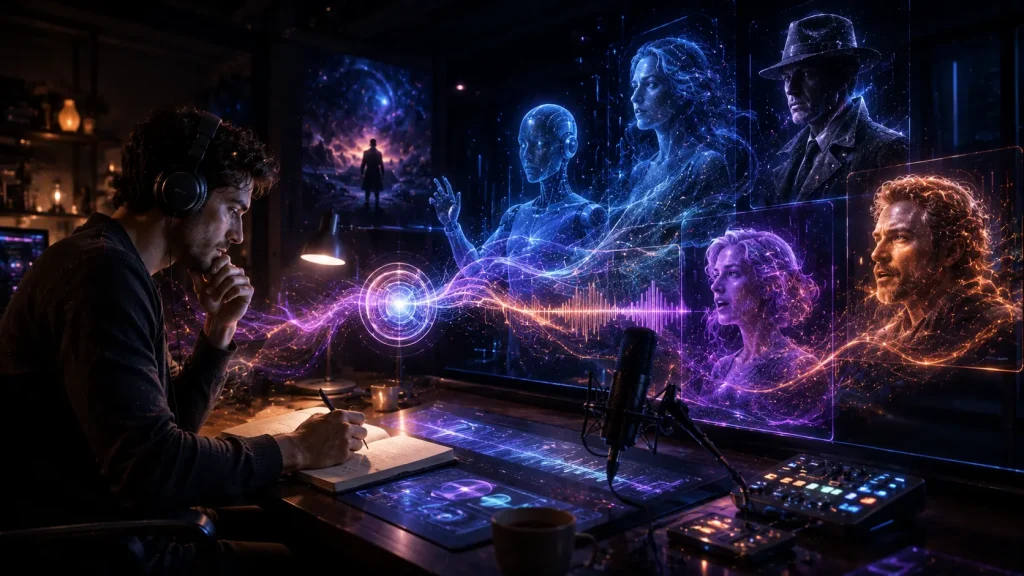
Artificial intelligence is creating new possibilities for audio drama production by making storytelling tools more accessible and enabling creators to experiment with voices, characters, and personalised listening experiences.
While traditional audio production requires significant time and resources, AI-powered tools can assist creators throughout different stages of production, including voice creation, narration, editing, and content development.
AI is not replacing the creativity behind storytelling. Instead, it is becoming a supporting technology that helps writers, voice artists, and producers build richer audio experiences more efficiently.
AI Voice Technology in Audio Storytelling
AI voice technology is changing how creators approach audio storytelling by making realistic voice generation and voice-based production more accessible.
Modern AI voice tools can help creators with:
- Generating natural-sounding narration
- Creating voice variations for characters
- Testing different storytelling styles
- Producing multilingual audio experiences
- Improving production efficiency
For independent creators, AI voice technology can reduce some of the barriers involved in producing professional-quality audio content.
This allows more storytellers to experiment with new formats, languages, and creative ideas while focusing more time on developing strong narratives and characters.
The combination of human creativity and AI-assisted production is opening new opportunities for the future of audio storytelling.
AI-Generated Character Voices and Narration
Character voices play an important role in making audio dramas immersive, and AI is expanding the possibilities of voice-based storytelling.
AI-generated voices can help creators develop:
- Different character personalities
- Multiple voice styles
- Consistent character voices
- Narration for longer stories
- Localised versions of content
For audio drama creators, this technology can make it easier to build stories with multiple characters and complex narratives.
However, storytelling quality still depends on creative direction, writing, emotional expression, and the overall production approach.
The most engaging audio experiences combine technological capabilities with human storytelling skills to create characters that feel authentic and memorable.
The Future of Interactive and Personalised Audio Stories
The future of audio storytelling is moving towards more interactive and personalised experiences.
AI could enable listeners to experience stories that adapt based on their preferences, including:
- Personalised story recommendations
- Interactive narrative choices
- Customised listening experiences
- Stories adapted for different audiences
Instead of every listener experiencing the same version of a story, future audio platforms may allow audiences to explore narratives in more personalised ways.
This evolution could transform audio dramas from passive listening experiences into interactive storytelling environments where audiences become more connected with the stories they enjoy.
Indian Audio Drama Podcasts and the Future of Regional Storytelling
India has one of the world’s richest storytelling traditions, with centuries of oral narratives, folk tales, mythology, and regional literature.
Audio storytelling provides a natural bridge between these traditional forms and modern digital entertainment. By combining familiar storytelling traditions with contemporary audio technology, creators can introduce regional stories to wider audiences.
The growth of smartphones, streaming platforms, and voice-based content is creating new opportunities for Indian audio dramas across multiple languages and cultures.
Indian Storytelling Traditions in Modern Audio Formats
Indian storytelling has historically relied on oral traditions where stories were passed from one generation to another through voices and performances.
Modern audio drama podcasts continue this tradition by using digital platforms to bring stories to new audiences.
Contemporary audio storytelling in India includes:
- Regional language stories
- Mythological narratives
- Fiction and drama series
- Cultural storytelling formats
- Modern adaptations of traditional themes
The audio format allows creators to preserve the emotional connection of traditional storytelling while using modern production techniques such as voice acting, music, and sound design.
This combination creates opportunities for Indian stories to reach listeners beyond geographical and language boundaries.
Rise of Voice-Based Entertainment in India
Voice-based entertainment is growing in India due to increasing smartphone adoption, affordable internet access, and growing interest in regional digital content.
Listeners are discovering stories through:
- Audio platforms
- Podcasts
- Voice communities
- Digital storytelling applications
Regional languages play an important role in this growth because audiences often prefer consuming content in languages they naturally connect with.
As audio technology continues to develop, Indian audio storytelling has the potential to become a significant part of the global voice entertainment ecosystem.
Discover Immersive Audio Stories With Arré Voice
Arré Voice brings together storytelling, voice experiences, and community-driven content to create a platform where audiences can discover engaging audio stories.
From fictional narratives to creator-led voice experiences, the platform focuses on making storytelling more accessible through the power of voice.
As audio entertainment continues to evolve, platforms like Arré Voice represent a new approach where listeners can explore stories, connect with creators, and experience entertainment beyond traditional screens.
Explore Original Audio Stories and Voice Experiences
Arré Voice offers audiences an opportunity to discover original audio content across different genres and storytelling styles.
Listeners can explore:
- Fictional audio stories
- Creator-led voice content
- Engaging narratives
- Community-driven experiences
The platform combines storytelling and voice technology to create experiences designed for modern audiences who enjoy discovering content through listening.
By bringing together creators and listeners, Arré Voice helps expand the possibilities of what audio storytelling can become.
Join a Growing Community of Story Lovers
Audio storytelling is not only about listening; it is also about connection.
Voice-based platforms allow audiences and creators to engage through shared interests, conversations, and storytelling experiences.
Arré Voice creates a space where listeners can discover new stories while becoming part of a larger community built around voices and creativity.
As the future of entertainment continues moving towards more personalised and immersive experiences, audio communities will play an important role in shaping how people discover and enjoy stories.
Frequently Asked Questions
What are audio drama podcasts?
Audio drama podcasts are scripted audio stories that use voice acting, dialogue, sound effects, music, and narration to create immersive storytelling experiences. Unlike traditional podcasts, which focus on conversations or discussions, audio dramas are fictional productions designed around characters, plots, and cinematic sound design that allow listeners to experience stories through audio.
What are the best audio drama podcasts?
The best audio drama podcasts depend on listener preferences, including genres like mystery, horror, science fiction, fantasy, and character-driven fiction. A great audio drama combines engaging storytelling, strong voice performances, immersive sound effects, and well-developed characters to create an emotional and memorable listening experience for audiences.
What is the difference between an audio drama and a podcast?
An audio drama is a scripted fictional production that uses actors, dialogue, sound effects, and music to tell a story. A traditional podcast is usually based on conversations, interviews, discussions, or educational content. Audio dramas focus on immersive storytelling, while podcasts typically focus on sharing information, opinions, or real-world conversations.
Are audio drama podcasts free to listen to?
Many audio drama podcasts are free to listen to through podcast platforms, streaming services, and storytelling apps. Some creators also offer premium episodes, exclusive stories, or subscription-based content. Availability depends on the platform and creator, but listeners can find a wide range of free audio dramas online.
Where can I listen to audio drama podcasts?
Audio drama podcasts can be listened to through podcast apps, audio streaming platforms, and dedicated storytelling platforms. Popular options include podcast directories, mobile apps, and platforms focused on immersive audio experiences. Listeners can explore different genres, discover new creators, and access fictional audio stories anytime through connected devices.
Are audio dramas better than audiobooks?
Audio dramas and audiobooks offer different storytelling experiences, so neither format is universally better. Audio dramas provide cinematic performances with multiple voices and sound effects, while audiobooks focus on narrated versions of written books. The better choice depends on whether listeners prefer immersive performances or traditional book narration.
Are there Indian audio drama podcasts?
Yes, Indian audio drama podcasts are growing as creators explore regional languages, cultural stories, mythology, fiction, and contemporary narratives. These audio experiences combine traditional Indian storytelling practices with modern digital formats, allowing audiences to discover stories that represent different communities, cultures, and perspectives through immersive voice-based entertainment.
What makes an audio drama podcast good?
A good audio drama podcast combines strong storytelling, memorable characters, professional voice acting, and high-quality sound production. Effective audio dramas use engaging plots, realistic sound effects, emotional performances, and well-paced narratives to create immersive experiences that keep listeners connected with the story and invested in the characters.
Can AI create audio drama podcasts?
AI can support the creation of audio drama podcasts by helping with voice generation, narration, character voices, and production workflows. However, successful audio dramas still require human creativity for storytelling, character development, emotional direction, and creative decisions. AI works best as a tool that enhances the production process.
Why are audio drama podcasts becoming popular?
Audio drama podcasts are becoming popular because they provide immersive entertainment that fits modern lifestyles. Listeners can enjoy stories while travelling, exercising, or completing daily tasks without needing a screen. The growth of audio-first platforms, smartphone usage, and demand for engaging storytelling experiences has accelerated their popularity among audiences.


[…] For examples of completed audio fiction productions, explore Arré Voice’s guide to audio drama podcasts. […]