The Rise of Digital Creators in the Modern Content Economy
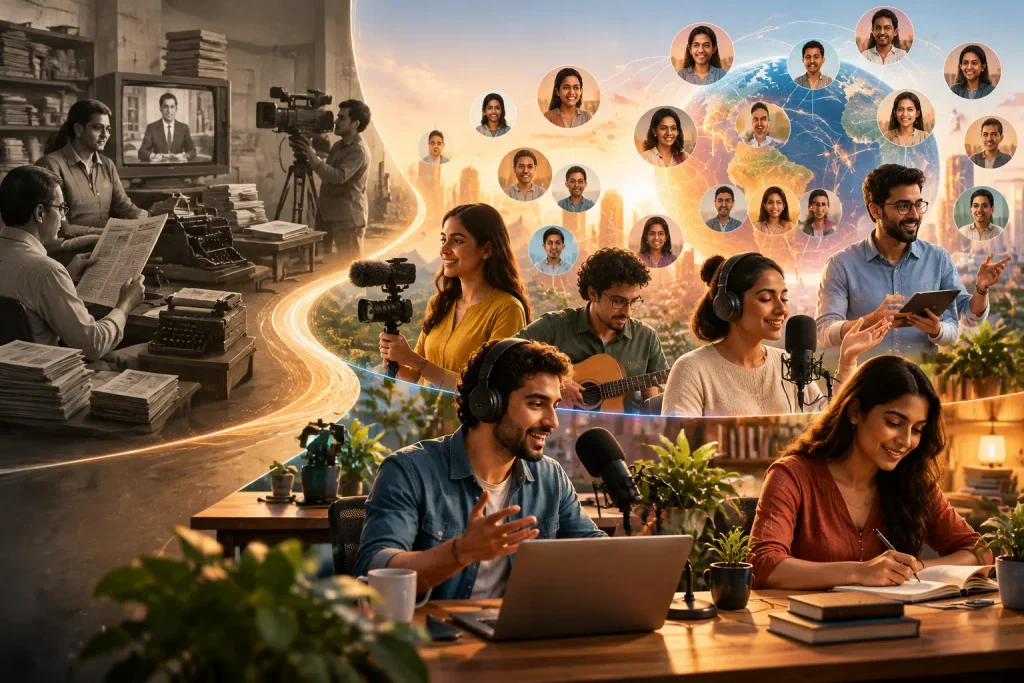
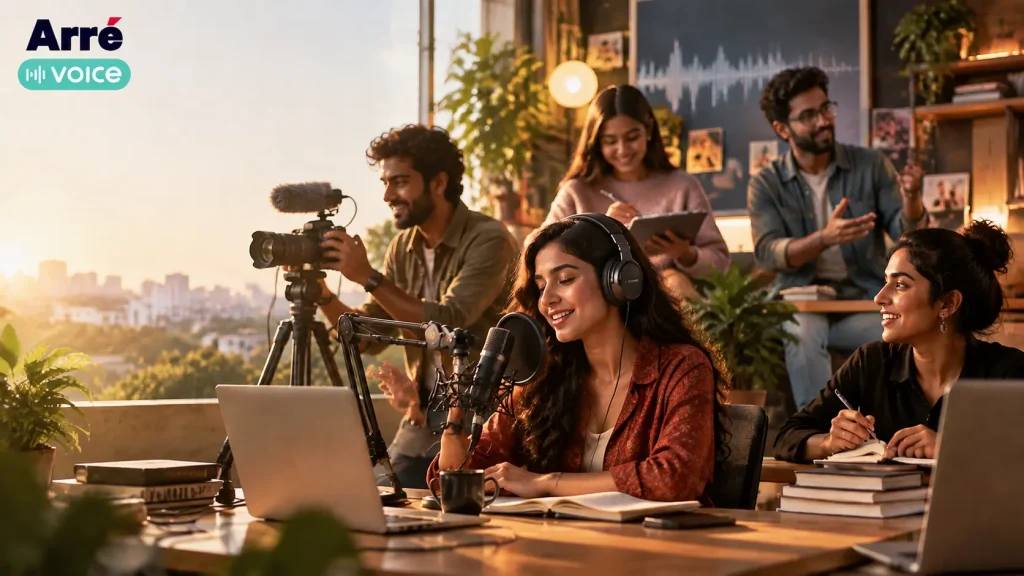
Digital creators are individuals who use digital platforms, technology, and online tools to create, publish, and share content with audiences. They create different forms of digital content including videos, audio stories, podcasts, educational content, blogs, and community-based experiences.
Unlike traditional creators who often depended on publishers, production houses, or media organisations for distribution, digital creators can directly connect with audiences through online platforms. They can build personal brands, create niche communities, and develop meaningful relationships with people across the world.
The growth of smartphones, social platforms, artificial intelligence tools, and creator platforms has transformed content creation into a more accessible and independent ecosystem. Today, anyone with knowledge, creativity, or a unique perspective can become a digital creator and share their ideas with a global audience.
However, modern digital creators are no longer focused only on creating content. The creator landscape is shifting from simply publishing posts to building communities, encouraging conversations, and creating experiences that audiences actively participate in.
What Are Digital Creators?
1.1 Understanding the Meaning of Digital Creators
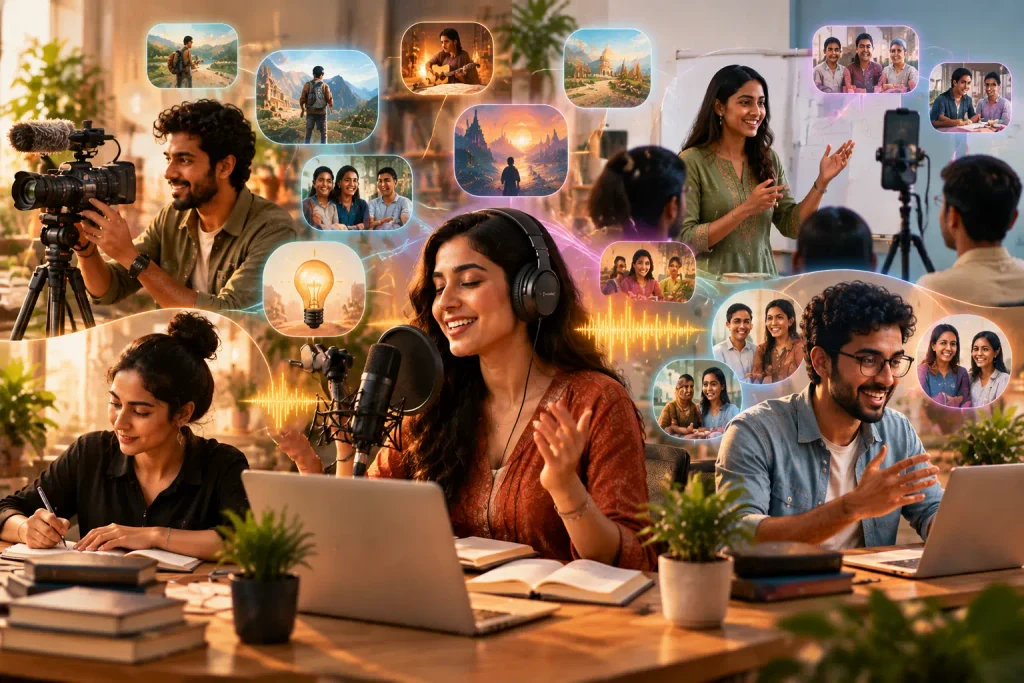
A digital creator is someone who creates and distributes content through digital platforms. Unlike traditional media creators who typically worked through established publishing channels, digital creators use online platforms to express ideas, educate audiences, entertain communities, or build conversations around specific interests.
Digital creators use various formats depending on their skills, audience preferences, and chosen platforms. Some create visual content, while others focus on audio, writing, education, or interactive experiences.
The role of a digital creator can include:
- Creating original content for online audiences
- Sharing knowledge, experiences, or entertainment
- Building relationships with followers and communities
- Experimenting with new content formats
- Using digital tools to improve creativity and production
Digital creators are present across multiple categories, including:
Video Creators
Video creators produce content through platforms that support visual storytelling. They create educational videos, entertainment content, tutorials, reviews, documentaries, and short-form videos.
Audio Creators
Audio creators focus on voice-based experiences such as podcasts, audio stories, narrated content, and voice conversations. With the growth of audio platforms, creators can now connect with audiences through storytelling and discussions without relying only on visual formats.
Writers and Knowledge Creators
Many digital creators build audiences through written content such as blogs, newsletters, educational resources, and research-based content. Their expertise and insights help them create communities around specific topics.
Educators and Skill-Based Creators
Educators use digital platforms to teach skills, explain concepts, and share knowledge. These creators often build highly engaged communities because audiences actively seek their expertise.
Storytellers and Community Builders
Some creators focus on storytelling and creating spaces where people connect through shared interests. These creators are increasingly becoming community leaders rather than only content publishers.
1.2 Digital Creators vs Traditional Creators
The biggest difference between traditional creators and digital creators is the relationship between creators and audiences.
Traditional media generally followed a one-directional model where content was produced and distributed to audiences through controlled channels. Digital platforms have changed this model by allowing creators to communicate directly with their audiences.
| Traditional Creators | Digital Creators |
| Depend on publishers and media channels | Build directly with audiences |
| Limited distribution opportunities | Multiple digital platforms |
| One-way communication | Interactive conversations |
| Audience as viewers | Audience as communities |
| Fixed content formats | Multiple creative formats |
The internet has transformed creators from content producers into digital entrepreneurs, storytellers, and community builders.
A modern digital creator does not only ask:
“How can I create content?”
They also ask:
“How can I build meaningful relationships with the people who engage with my content?”
This shift has created a new creator ecosystem where audiences are not passive consumers but active participants.
Why Digital Creators Are Growing in the Creator Economy
2.1 The Growth of the Creator Economy
The creator economy represents the growing ecosystem of individuals who create content, build audiences, and develop businesses around their creativity, knowledge, or personal brand.
Digital platforms have reduced many traditional barriers to content creation. Creators no longer need access to large production teams or traditional media networks to share their work.
Today, creators can use:
- Smartphones for recording and publishing
- Creator platforms for audience growth
- AI tools for improving workflows
- Community platforms for direct engagement
This has enabled independent creators to build careers around their expertise, interests, and creative abilities.
The creator economy has also changed how audiences discover content. Instead of depending only on large media organisations, people increasingly follow individual creators who provide personalised, authentic, and niche experiences.
2.2 Why More People Are Becoming Digital Creators
Several factors have contributed to the rapid growth of digital creators.
Easy Access to Technology
Modern smartphones, affordable internet access, and digital creation tools have made content production easier than ever before.
A creator today can record, edit, publish, and distribute content using tools that were previously available only to professional studios.
Lower Barriers to Publishing Content
Digital platforms allow creators to reach audiences without traditional gatekeepers. Anyone with valuable ideas, skills, or stories can create content and discover an audience.
Ability to Reach Global Audiences
Digital platforms allow creators to connect with people beyond geographical boundaries. A creator from a small community can now share ideas with audiences worldwide.
Growth of Niche Content Communities
Audiences are increasingly interested in specialised content. Instead of only following mainstream creators, people are discovering creators focused on specific interests, professions, cultures, hobbies, and communities.
2.3 The Shift From Followers to Meaningful Communities
For many years, follower count was considered one of the biggest indicators of creator success. However, the creator landscape is gradually moving beyond numbers.
A large audience does not always guarantee meaningful engagement. Modern creators are increasingly focusing on:
- Building trust with audiences
- Creating conversations
- Understanding community needs
- Developing long-term relationships
The strongest creator ecosystems are built when audiences feel connected to the creator and actively participate in discussions.
This shift represents a move from:
Followers → Communities
Instead of simply collecting followers, successful creators are building spaces where people can interact, share ideas, and feel connected.
Different Types of Digital Creators
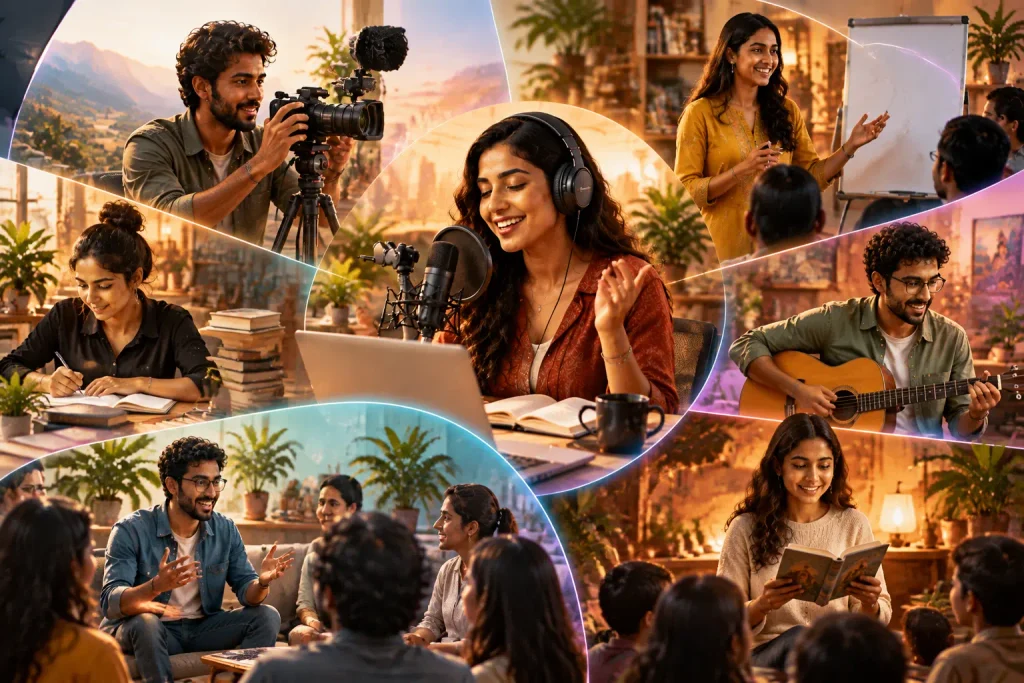
3.1 Video Creators
Video creators are among the most recognised types of digital creators. They use visual storytelling to educate, entertain, inform, and connect with audiences.
Common types of video creators include:
- YouTube creators
- Short-form video creators
- Educational creators
- Entertainment creators
- Documentary creators
Video remains a powerful format because it combines visuals, storytelling, and personality. However, the creator ecosystem is expanding beyond video-first platforms.
3.2 Audio Creators
Audio creators create experiences through voice, sound, and storytelling.
This category includes:
- Podcast creators
- Voice storytellers
- Audio entertainers
- Voice-based creators
Audio allows creators to build deeper connections through tone, emotion, and personal expression. Unlike visual content, audio experiences can become part of everyday routines because audiences can listen while travelling, working, learning, or relaxing.
The growth of audio storytelling and voice platforms has created new opportunities for creators who prefer expression through voice rather than traditional video formats.
3.3 Community-Based Creators
Community-based creators focus on bringing people together around shared interests, knowledge, or experiences.
These creators do not only publish content; they create spaces where audiences can participate.
Examples include:
- Industry experts creating knowledge communities
- Educators building learning groups
- Storytellers creating discussion spaces
- Hobby creators connecting passionate audiences
Modern creators are increasingly becoming community leaders who connect people around shared interests.
The future of digital creation is not only about creating content. It is about creating meaningful experiences where people feel connected.
How Digital Creators Build Their Online Identity
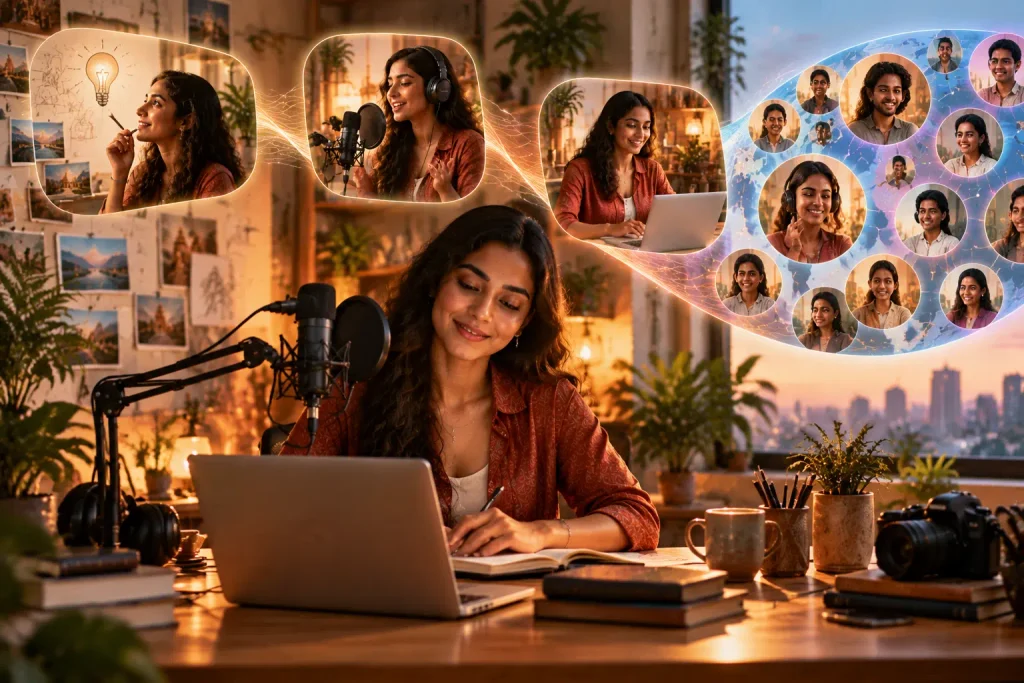
Creating content is only one part of becoming a successful digital creator. In a highly competitive digital environment, creators need to build a recognizable identity that helps audiences understand who they are, what they create, and why people should follow their work.
A strong creator identity is built through a combination of expertise, authenticity, consistency, and meaningful audience relationships.
Modern audiences are not only looking for content; they are looking for creators they can connect with.
4.1 Finding a Content Niche
One of the first steps for digital creators is identifying a clear content niche.
A content niche refers to a specific area, topic, or interest that a creator focuses on. Instead of trying to create content for everyone, creators who focus on a particular niche can attract more relevant audiences and build stronger communities.
Examples of creator niches include:
- Technology and artificial intelligence
- Education and skill development
- Health and wellness
- Storytelling and entertainment
- Finance and business
- Gaming
- Culture and traditions
- Professional knowledge sharing
Choosing a niche helps digital creators:
- Build expertise in a specific area
- Understand audience expectations
- Create more focused content
- Develop a recognizable identity
However, selecting a niche does not mean limiting creativity. Many successful creators combine multiple interests to develop unique perspectives.
For example, a creator interested in storytelling and technology can explore topics such as AI storytelling, digital narratives, or voice-based experiences.
Understanding audience interests is also important. Digital creators need to study:
- What questions audiences are asking
- What problems they want solutions for
- What type of content creates engagement
- What topics create meaningful discussions
The strongest creators often succeed because they understand both their passion and their audience’s needs.
4.2 Creating Authentic Content
Authenticity has become one of the most important factors in digital content creation.
With millions of creators publishing content every day, audiences increasingly connect with creators who share genuine perspectives rather than content that feels purely promotional or repetitive.
Authentic content usually includes:
- Personal experiences
- Unique viewpoints
- Real conversations
- Honest storytelling
- Individual creative expression
A creator’s personal story, background, opinions, and communication style help differentiate them from others creating similar content.
For example, two creators may discuss the same topic, but their personal experiences and storytelling approach can create completely different audience connections.
Building authentic content requires creators to focus on:
Personal Storytelling
Personal storytelling allows creators to transform information into relatable experiences. Audiences often remember stories because they create emotional connections.
Unique Perspectives
Creators do not always need completely new topics. A unique viewpoint, explanation style, or personal interpretation can make familiar topics more engaging.
Building Trust
Trust develops when creators consistently provide value, communicate honestly, and understand their audience.
Over time, trust becomes one of the strongest assets a digital creator can build.
Human Connection
Beyond algorithms and content formats, creators succeed because people connect with people.
Voice, personality, emotions, and conversations help transform digital content into meaningful experiences.
4.3 Building a Creator Brand
A creator brand represents how audiences identify and remember a digital creator.
It includes:
- The creator’s identity
- Communication style
- Areas of expertise
- Values and perspectives
- Relationship with audiences
A strong creator brand answers questions such as:
- What does this creator represent?
- What type of content can audiences expect?
- Why should people follow this creator?
Building a creator brand requires consistency across content, communication, and audience interactions.
Key elements of a creator brand include:
Creator Identity
A creator identity defines the personality and purpose behind the content.
It goes beyond logos or visuals. It represents the creator’s unique approach, knowledge, and connection with audiences.
Personal Voice
Every successful digital creator develops a recognizable voice.
This can come through:
- Writing style
- Storytelling approach
- Speaking style
- Creative format
- Opinions and insights
A strong personal voice helps audiences identify creators even before seeing their name.
Audience Relationships
Creators are increasingly moving beyond collecting followers and focusing on building relationships.
Strong audience relationships are created through:
- Responding to communities
- Encouraging discussions
- Understanding audience feedback
- Creating content based on audience interests
Long-Term Recognition
A creator brand is built over time through consistency and trust.
Creators who focus only on short-term trends may gain temporary attention, but creators who develop a clear identity can build lasting communities.
Tools Digital Creators Use for Content Creation
Digital creators today have access to a wide range of tools that support every stage of content creation, from planning ideas to publishing content.
Creator tools have made it easier for individuals to produce professional-quality content without requiring large production teams.
These tools support:
- Content planning
- Recording
- Editing
- Designing
- Publishing
- Audience management
5.1 Essential Creator Tools
Different types of digital creators use different tools depending on their content format and goals.
Recording Tools
Recording tools help creators capture high-quality content.
Examples include:
- Cameras
- Smartphones
- Microphones
- Audio recording equipment
- Screen recording software
For audio creators, quality microphones and recording tools are especially important because sound quality directly affects audience experience.
Editing Tools
Editing tools help creators refine raw content into engaging experiences.
Creators use editing tools for:
- Video editing
- Audio enhancement
- Removing unwanted sections
- Adding effects
- Improving overall quality
Design Tools
Visual design tools help creators develop:
- Thumbnails
- Social media graphics
- Brand assets
- Content visuals
Strong visual identity helps creators become more recognizable across digital platforms.
Publishing Platforms
Publishing platforms allow creators to distribute content and connect with audiences.
These platforms help creators:
- Reach new audiences
- Build communities
- Receive feedback
- Develop long-term relationships
5.2 AI Tools Supporting Digital Creators
Artificial intelligence is becoming an important part of the creator ecosystem by helping creators improve workflows and explore new creative possibilities.
AI tools can support creators through:
Content Ideation
AI can help creators generate ideas, explore topics, and organize content plans.
Creators can use AI assistance for:
- Brainstorming topics
- Finding content angles
- Creating outlines
- Research support
Editing Assistance
AI-powered tools can help reduce repetitive work by supporting:
- Content editing
- Transcription
- Caption generation
- Content optimization
Voice Enhancement
AI voice technology is creating new opportunities for digital creators by helping them improve audio experiences.
Creators can explore:
- Voice enhancement
- AI-assisted narration
- Audio production support
- Voice-based storytelling
Workflow Automation
AI can help creators save time by automating repetitive tasks, allowing them to focus more on creativity and audience engagement.
However, AI tools should support creativity rather than replace it.
The most valuable part of content creation remains human-driven:
- Ideas
- Emotions
- Experiences
- Storytelling ability
- Creative decisions
AI can improve the process, but human creativity creates the connection.
→ AI Voice Creator: Explore how AI-powered voice tools are changing creator possibilities.
→ Generative Voice AI: Understand how AI is shaping voice-based content creation.
→ AI Storytelling: Discover how artificial intelligence is transforming storytelling formats.
Challenges Digital Creators Face Today
While digital platforms have created new opportunities, creators also face challenges in maintaining consistency, building audiences, and creating sustainable careers.
6.1 Creating Consistent Content
Consistency is one of the biggest challenges faced by digital creators.
Creating content regularly requires:
- Continuous idea generation
- Time management
- Creative energy
- Audience understanding
Many creators experience content fatigue because they constantly need to produce new ideas while maintaining quality.
Common challenges include:
Maintaining Creativity
Creators often struggle with finding fresh perspectives while producing content regularly.
Developing systems for brainstorming, planning, and experimentation can help maintain creativity.
Content Fatigue
Producing content continuously across multiple platforms can become overwhelming.
Creators need to balance:
- Publishing frequency
- Content quality
- Personal sustainability
Managing Multiple Platforms
Many creators distribute content across several platforms, each requiring different formats and strategies.
Managing multiple channels can require significant time and effort.
6.2 Building Audience Relationships
Getting attention is only the first step. Building meaningful audience relationships requires ongoing effort.
Digital creators face challenges such as:
Algorithm Dependency
Many creators depend on platform algorithms for content discovery.
Changes in algorithms can affect:
- Content visibility
- Audience reach
- Engagement levels
This is why many creators are focusing more on direct relationships and owned communities.
Competition for Attention
The digital space has become highly competitive, with thousands of creators publishing content every day.
To stand out, creators need:
- Unique perspectives
- Strong storytelling
- Consistent value creation
Maintaining Authenticity
As creators grow, maintaining personal connection with audiences can become challenging.
Successful creators balance growth with authenticity by continuing meaningful conversations with their communities.
6.3 Moving Beyond Views and Followers
Views and follower counts are often visible indicators of creator growth, but they do not always represent the strength of audience relationships.
Modern creators are increasingly focusing on:
Community Building
Building communities allows creators to create deeper connections beyond individual pieces of content.
Communities encourage:
- Discussions
- Shared interests
- Audience participation
- Long-term engagement
Direct Audience Relationships
Creators are exploring ways to communicate directly with audiences instead of relying only on platform reach.
This creates stronger relationships and helps creators better understand their communities.
Creator Ownership
The future of content creation is moving toward creators having more ownership over:
- Their audience relationships
- Their creative identity
- Their communities
Digital creators are evolving from content publishers into community builders who create meaningful digital experiences.
How Digital Creators Build Stronger Communities
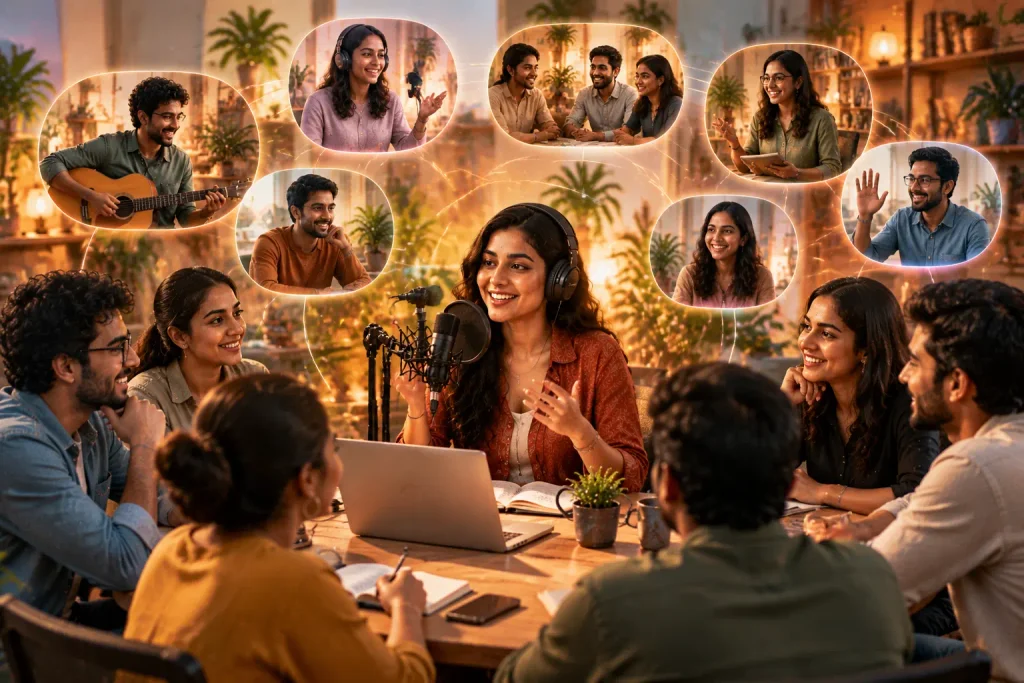
Creating content is only the beginning of a creator’s journey. As the digital landscape evolves, successful creators are moving beyond simply publishing content and focusing on building communities around shared interests, conversations, and meaningful experiences.
A strong creator community allows audiences to feel connected, participate actively, and become part of the creator’s journey.
The future of digital creation is shifting from:
Content Creation → Community Building → Meaningful Connections
7.1 From Content Creation to Community Building
Traditionally, creators were mainly focused on producing content and attracting followers. However, modern digital creators are increasingly focusing on creating communities where audiences can participate, share ideas, and build relationships.
Creator-led communities are built around:
- Shared interests
- Common goals
- Meaningful discussions
- Audience participation
- Long-term relationships
A creator community is different from a simple follower base.
A follower may watch or consume content, but a community member actively participates by:
- Sharing opinions
- Joining conversations
- Supporting other members
- Providing feedback
- Contributing ideas
This shift is changing how creators measure growth.
Instead of only focusing on:
- Number of followers
- Views
- Likes
Creators are increasingly looking at:
- Engagement quality
- Community participation
- Audience trust
- Long-term relationships
Digital creators who build communities create stronger connections because audiences feel involved rather than simply addressed.
For example, a storytelling creator can move beyond publishing stories and create a space where listeners discuss narratives, share interpretations, and participate in creative conversations.
This community-driven approach helps creators develop a more sustainable digital presence.
7.2 Why Voice Is Becoming an Opportunity for Digital Creators
As content creation continues to evolve, voice is becoming an important opportunity for digital creators.
While video remains a popular format, many creators are exploring voice-based experiences because voice allows them to focus on expression, storytelling, and conversations without depending only on visual content formats.
Voice-based creation offers several advantages:
Growth of Audio Creators
The rise of podcasts, audio stories, and voice platforms has created new opportunities for creators who prefer expressing ideas through sound.
Audio creators can create:
- Stories
- Discussions
- Interviews
- Educational content
- Community conversations
Voice allows creators to connect with audiences in a more personal way because tone, emotion, and personality become part of the experience.
Voice-First Platforms
Voice-first platforms are creating new spaces where creators can share ideas and interact with audiences through audio.
Unlike traditional content formats that often require cameras, editing, and visual production, voice platforms allow creators to focus primarily on:
- Their ideas
- Their storytelling ability
- Their conversations
- Their unique perspective
Storytelling Through Voice
Voice has always been a powerful storytelling medium.
From traditional oral storytelling traditions to modern audio platforms, people have used voice to share:
- Experiences
- Knowledge
- Culture
- Entertainment
Digital creators today are using voice to create immersive experiences that allow audiences to listen, imagine, and connect.
Creating Without Video Production Pressure
Many aspiring creators hesitate to start because video creation can require:
- Cameras
- Lighting equipment
- Editing skills
- Visual presentation
Voice-based creation lowers these barriers by allowing creators to begin with their ideas and expression.
Voice enables creators to focus on what matters most:
The story they want to tell and the connection they want to build.
→ Voice First Technology: Understand how voice-first experiences are changing digital interaction.
→ Conversational Voice AI: Explore how AI-powered conversations are shaping the future of voice experiences.
How Arré Voice Helps Digital Creators Create and Connect
Digital creators need platforms that allow them to express ideas, connect with audiences, and build meaningful communities.
Arré Voice provides a voice-first ecosystem where creators can create content, share stories, and participate in conversations through audio experiences.
Instead of focusing only on passive content consumption, Arré Voice encourages creators and listeners to participate in meaningful interactions.
8.1 Creating Content Through Voice
Voice provides creators with a new way to express themselves beyond traditional content formats.
Through Arré Voice, creators can share:
Voicepods
Voicepods allow creators to publish short voice-based content and share thoughts, stories, opinions, and ideas with audiences.
Creators can use voice to:
- Share personal experiences
- Discuss topics they care about
- Express creative ideas
- Build their unique voice identity
Audio Stories
Storytelling through audio allows creators to create immersive experiences where listeners connect through imagination and emotion.
Audio storytelling enables creators to explore:
- Fiction
- Personal stories
- Narratives
- Cultural experiences
Creator Expression
Every creator has a unique perspective, and voice allows that personality to come forward.
Unlike text-based formats, voice captures:
- Emotion
- Tone
- Personality
- Authentic expression
This helps creators build stronger relationships with their audiences.
8.2 Building Connections Through Voice Communities
Content creation becomes more powerful when it leads to meaningful conversations.
Arré Voice enables creators to connect with audiences through community-focused voice experiences.
Creators can use:
Voicepools
Voicepools allow creators and listeners to participate in discussions around shared topics.
They encourage:
- Questions
- Opinions
- Community participation
- Interactive conversations
Voiceclubs
Voiceclubs help bring people together around common interests.
Creators can build spaces where audiences can:
- Join discussions
- Connect with like-minded people
- Participate in conversations
- Develop community relationships
Audience Participation
Modern creator relationships are moving beyond one-way communication.
Instead of:
Creator → Audience
The future is:
Creator ↔ Community
Voice enables more natural conversations where audiences become active participants.
8.3 Creating Meaningful Digital Experiences
The future of content creation is not only about producing more content. It is about creating better experiences.
Digital creators are increasingly looking for ways to move beyond passive consumption and create deeper audience connections.
Meaningful digital experiences are built through:
- Authentic conversations
- Community-driven storytelling
- Creator-listener relationships
- Shared interests
Arré Voice helps creators explore a different approach to digital interaction — one where voices, stories, and communities come together.
Discover, create, and connect through Arré Voice.
The Future of Digital Creators and Content Creation
The creator ecosystem continues to evolve as technology changes how people create, distribute, and experience content.
The next generation of digital creators will not only create content; they will build communities, develop personal brands, and create experiences across multiple formats.
9.1 The Evolution of Creator Platforms
Creator platforms are moving beyond simple publishing tools.
Earlier digital platforms mainly focused on helping creators distribute content. Modern creator platforms are increasingly helping creators build complete ecosystems around their audiences.
Future creator platforms will focus on:
Rise of Niche Creators
Audiences are increasingly discovering creators based on specific interests rather than only mainstream popularity.
Niche creators can build highly engaged communities around:
- Expertise
- Culture
- Hobbies
- Education
- Storytelling
Independent Publishing
Digital creators now have more control over:
- Content creation
- Distribution
- Audience relationships
Independent publishing allows creators to share ideas without depending entirely on traditional media systems.
Creator-Owned Audiences
A major shift in the creator economy is the focus on direct audience relationships.
Creators are increasingly building:
- Communities
- Membership spaces
- Direct conversations
This helps creators develop stronger connections with audiences.
Community-Driven Platforms
The future of creator platforms will be shaped by participation.
Platforms that help creators build communities rather than only publish content will become increasingly important.
9.2 The Future of Digital Storytelling
Technology is creating new possibilities for how stories are created and experienced.
The future of digital storytelling will combine creativity with emerging technologies.
Key developments include:
AI-Assisted Creativity
Artificial intelligence is helping creators explore new possibilities through:
- Idea generation
- Creative assistance
- Voice tools
- Content workflows
However, human creativity, emotion, and storytelling remain central to meaningful content.
Voice-First Experiences
Voice is becoming an important medium for creators because it creates more personal and immersive interactions.
Future storytelling experiences may combine:
- Voice
- AI
- Interactive conversations
- Personalised experiences
Interactive Storytelling
Audiences are moving from passive listeners and viewers toward active participants.
Future digital storytelling may include:
- Audience choices
- Community participation
- Interactive narratives
- Collaborative storytelling
New Content Formats
The creator ecosystem will continue expanding beyond traditional formats.
Future creators may combine:
- Audio
- AI
- Communities
- Interactive experiences
- Personalised storytelling
Digital creators are becoming more than content producers. They are becoming storytellers, community builders, and digital entrepreneurs shaping the future of online experiences.
Frequently Asked Questions
What is a digital creator?
A digital creator is a person who uses digital platforms and tools to create, publish, and share content such as videos, audio, stories, blogs, or educational content with online audiences.
What does a digital creator do?
A digital creator creates content, builds an audience, shares ideas, engages with communities, and uses digital platforms to connect with people around specific interests or topics.
What is the difference between a digital creator and a content creator?
A content creator focuses mainly on producing content, while a digital creator uses digital platforms, tools, and communities to build an identity, audience relationship, and online presence.
How can someone become a digital creator?
To become a digital creator, choose a niche, create valuable content consistently, understand your audience, use creator tools, and build meaningful connections through digital platforms.
How do digital creators make money?
Digital creators can earn through brand partnerships, subscriptions, advertising, digital products, memberships, courses, and creator platforms that support monetization.
What tools do digital creators use?
Digital creators use tools for recording, editing, designing, publishing, analytics, and AI-assisted workflows to improve content creation and audience engagement.
What platforms do digital creators use?
Digital creators use platforms such as video platforms, audio platforms, social networks, newsletters, blogs, and community platforms to publish content and connect with audiences.
How do digital creators build an audience?
Digital creators build audiences by creating consistent content, developing a unique voice, understanding audience needs, and engaging through meaningful conversations.
How can digital creators build communities?
Digital creators build communities by encouraging participation, creating shared experiences, responding to audiences, and developing spaces where people can connect around common interests.
How can Arré Voice help digital creators?
Arré Voice helps digital creators create voice-based content, share stories, connect with audiences, and build communities through Voicepods, Voicepools, and Voiceclubs.

[…] Digital Creators: Explore how creators are building identities, audiences, and careers through digital […]