
What Is Digital Wellbeing?
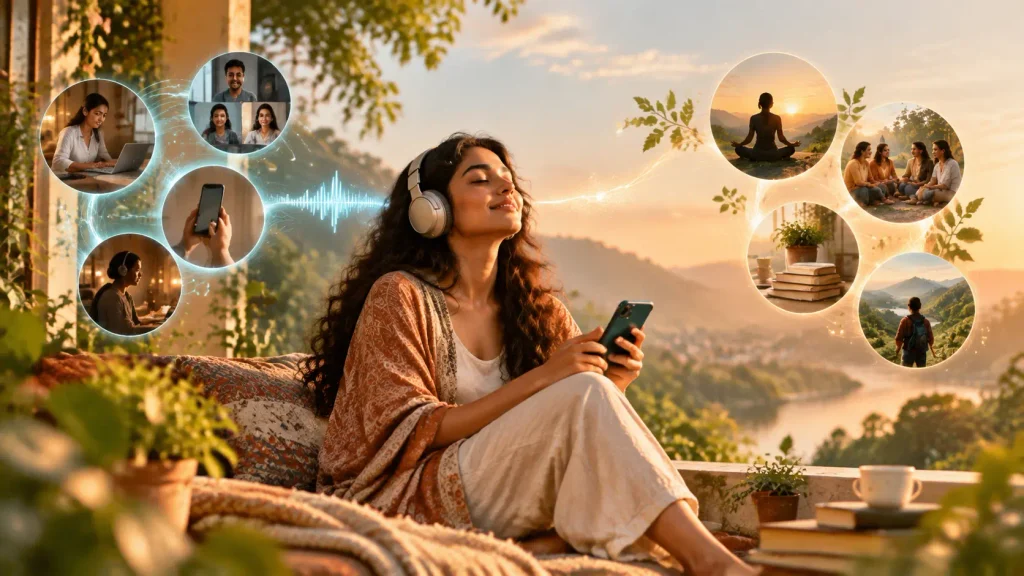
Digital wellbeing refers to maintaining a healthy and balanced relationship with technology by using digital platforms intentionally, managing screen habits, and choosing online experiences that support productivity, creativity, and meaningful connections.
Unlike simply reducing device usage, digital wellbeing focuses on understanding how technology affects our daily lives and making conscious choices about the content we consume, the platforms we use, and the way we interact online.
A healthy digital lifestyle is not about completely disconnecting from technology. It is about creating a better balance between online and offline experiences through mindful technology use, healthier digital habits, and meaningful interactions.
What Is Digital Wellbeing and Why Does It Matter Today?
Technology has become an essential part of everyday life. From communication and entertainment to learning and work, digital platforms influence how people connect, consume information, and express themselves. However, as digital usage continues to grow, many people are now focusing on building better relationships with technology through digital wellbeing.
At its core, digital wellbeing means using technology in a way that improves your quality of life rather than allowing digital habits to negatively impact your attention, relationships, productivity, or personal time.
It is not about avoiding smartphones, social media, or online platforms. Instead, it encourages people to become more intentional about their digital choices.
Understanding Digital Wellbeing in the Modern Digital World
The internet has changed significantly over the years. Earlier, people primarily used digital platforms to search for information, communicate, or complete specific tasks. Today, digital experiences are designed to keep users engaged continuously through notifications, personalised feeds, recommendations, and endless content.
This shift has changed the way people interact with technology.
Modern digital challenges include:
- Spending more time consuming content than creating or participating
- Constant notifications interrupting attention
- Difficulty disconnecting from digital platforms
- Passive consumption through endless scrolling
- Reduced focus due to excessive digital distractions
This is why digital wellness has become an important conversation. People are not looking to completely leave technology behind; they are looking for healthier ways to use it.
Why Are People Searching for Healthier Digital Experiences?
The growth of digital platforms has created more opportunities for connection, entertainment, and creativity. At the same time, users are becoming more aware of how they spend their digital time.
Many people are now asking:
- Is the content I consume adding value to my life?
- Am I actively participating or just scrolling?
- Are my digital habits helping me learn, connect, and create?
This shift has increased interest in healthy digital habits — behaviours that help people use technology with greater awareness and purpose.
Healthy digital habits may include:
- Choosing meaningful content over endless consumption
- Following creators and communities aligned with personal interests
- Taking intentional breaks from unnecessary digital distractions
- Using platforms that encourage participation and creativity
Using Technology vs Being Controlled by Technology
A key difference in digital wellbeing is understanding whether technology is serving you or controlling your attention.
Using technology intentionally:
- Listening to educational content
- Learning new skills
- Connecting with communities
- Creating and sharing ideas
- Discovering meaningful stories and conversations
Being controlled by technology:
- Opening apps without a clear purpose
- Spending hours scrolling automatically
- Consuming content without engagement
- Constantly checking notifications
The goal of digital wellbeing is not to reduce all digital activity. It is to improve the quality of digital experiences.
This is where newer forms of digital platforms, including voice-first experiences, audio storytelling, and community-driven platforms, are changing how people interact online.
The Rise of Digital Fatigue in the Age of Endless Scrolling

As digital platforms have evolved, one of the biggest challenges users face today is digital fatigue.
Digital fatigue refers to the mental exhaustion caused by continuous online engagement, excessive notifications, information overload, and repetitive content consumption.
One major contributor to this challenge is endless scrolling.
How Endless Scrolling Changed Digital Behaviour
Many social platforms are built around continuous content discovery. While this allows users to find new information and entertainment, it can also encourage passive consumption.
People often open an app with the intention of checking one update but continue scrolling through hundreds of pieces of content.
This behaviour has increased interest in solutions that help people reduce screen time and create healthier online routines.
Short-Form Content and the Challenge of Passive Consumption
Short-form content has made entertainment faster and more accessible. However, consuming large amounts of quick content can sometimes create a cycle where users spend more time consuming than engaging.
The difference lies between:
Passive consumption
- Watching endless content without interaction
- Scrolling through feeds without purpose
- Consuming information without deeper engagement
Active participation
- Sharing ideas
- Joining conversations
- Creating content
- Connecting with communities
A healthier digital experience focuses on moving users from passive scrolling towards meaningful participation.
Why People Want to Reduce Screen Time
Search interest around reduce screen time and screen time management has grown because users are looking for ways to make their digital habits more intentional.
People want to:
- Spend less time on unproductive scrolling
- Improve focus and attention
- Create better online routines
- Replace passive consumption with valuable experiences
The future of digital wellbeing is not simply about spending fewer hours online. It is about making those hours more meaningful.
Digital Wellbeing Apps: Can Technology Help Us Use Technology Better?
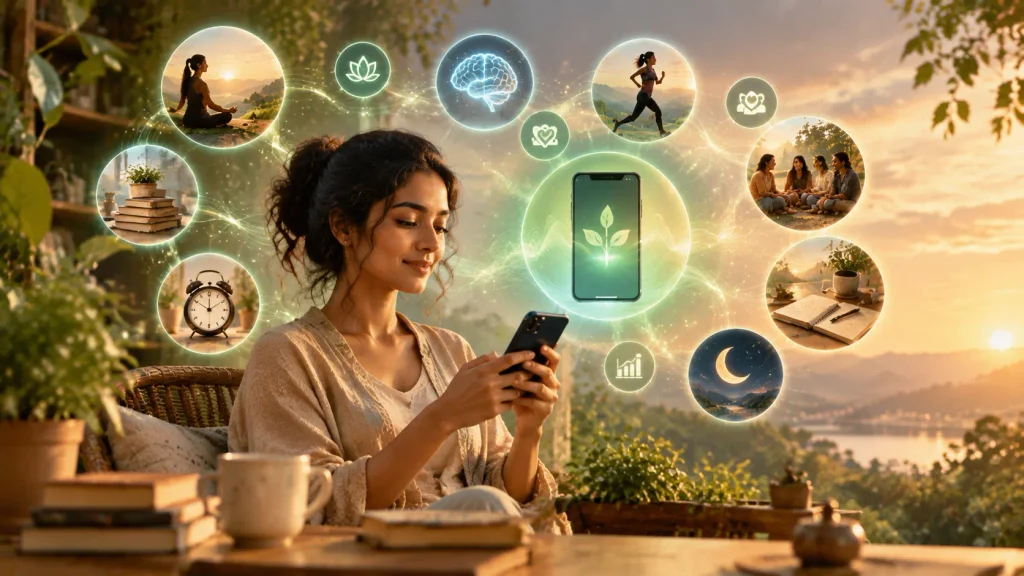
A digital wellbeing app helps users understand, manage, and improve their relationship with technology.
These apps are designed to provide awareness about digital behaviour and encourage healthier usage patterns.
What Do Digital Wellbeing Apps Do?
Most digital wellbeing apps focus on features such as:
- Tracking screen time
- Monitoring app usage
- Setting usage limits
- Creating focus periods
- Building healthier technology routines
These tools help users understand where their digital time is going.
Types of Digital Wellbeing Tools
Different users need different approaches to managing technology.
Common categories include:
Screen monitoring tools
These help users understand:
- Which apps they use most
- How much time they spend online
- Their daily usage patterns
Focus and productivity tools
These help users:
- Reduce distractions
- Create focused work sessions
- Build better habits
Habit-building tools
These encourage:
- Intentional technology usage
- Balanced digital routines
- Mindful consumption
The Limitation of Traditional Digital Wellbeing Solutions
While many digital wellbeing tools help users monitor usage, they often focus mainly on reducing time spent on devices.
However, digital wellbeing is not only about how much time people spend online.
It is also about:
- What content they consume
- How they interact with others
- Whether digital experiences create value
A meaningful digital experience should not only reduce unnecessary usage but also encourage better ways to connect, learn, create, and participate.
Beyond Screen Time: Why Digital Wellbeing Is About What You Consume

Digital wellbeing is often associated with reducing device usage, but the quality of digital experiences matters just as much as the amount of time spent online.
The important question is not only:
“How much time do you spend online?”
It is also:
“What kind of experiences are you consuming online?”
Moving From Passive Scrolling to Meaningful Experiences
Traditional digital consumption often involves scrolling through endless feeds. While this provides entertainment, it may not always create deeper engagement.
A healthier digital experience encourages:
- Learning something new
- Discovering meaningful stories
- Participating in conversations
- Connecting with communities
- Creating and sharing ideas
This is where mindful technology use becomes important.
Mindful technology use means choosing platforms and content that align with your interests, goals, and values.
The Role of Healthy Social Media Experiences
The future of digital platforms is moving beyond simple content consumption.
People increasingly want:
- More authentic interactions
- Smaller interest-based communities
- Meaningful conversations
- Creative expression
A healthier social experience is not necessarily about leaving social platforms. It is about creating better ways to participate.
Voice-based platforms represent one such shift by allowing people to communicate through conversations, stories, and audio experiences.
The Future of Social Media: From Endless Scrolling to Meaningful Connections
Social media has transformed the way people communicate, share ideas, and discover content. From connecting with friends to following creators and exploring interests, social platforms have become a major part of everyday digital life.
However, as online platforms continue to grow, many users are beginning to rethink their relationship with social media. The focus is gradually shifting from simply spending more time online to creating more valuable, meaningful, and intentional digital experiences.
This shift has increased interest in healthy social media experiences that encourage connection, creativity, and genuine participation rather than endless scrolling.
The Challenge With Traditional Social Platforms
Traditional social platforms are often designed around attention-driven engagement. Users are continuously presented with new content through personalised feeds, recommendations, and notifications.
While these features make discovering content easier, they can also lead to:
- Passive content consumption
- Information overload
- Short attention cycles
- Superficial interactions
- Reduced meaningful engagement
Many users find themselves spending significant time scrolling without building deeper connections or participating in conversations.
This has created demand for a social media alternative that focuses on quality interactions rather than only increasing screen time.
Why Users Are Looking for Better Social Experiences
The next generation of digital platforms is moving beyond likes, views, and follower counts.
Users increasingly want platforms where they can:
- Have meaningful conversations
- Share personal experiences
- Discover communities based on interests
- Connect with people who share similar passions
- Participate instead of only consume
This change represents a move from attention-based social media towards purpose-driven communities.
A healthier social experience is not about removing technology from life. It is about creating digital spaces where technology helps people communicate, express themselves, and build stronger connections.
The Rise of Purpose-Driven Online Communities
Modern users are increasingly interested in smaller, interest-based communities where conversations feel more personal and relevant.
Instead of following endless feeds, people are looking for:
- Communities around shared interests
- Creator-led discussions
- Authentic conversations
- Spaces for creativity and self-expression
These communities allow users to move from being passive viewers to active participants.
This evolution is creating new categories of digital interaction, including social audio, voice communities, and conversation-based platforms.
Social Audio: A New Way to Connect Online
Social audio combines the accessibility of social media with the natural experience of human conversation.
Unlike traditional text-based interactions, audio allows people to communicate emotions, tone, and personality more effectively.
Social audio enables:
- Voice-based discussions
- Community conversations
- Creator interactions
- Personal storytelling
- Real-time participation
By focusing on conversations rather than only content consumption, social audio creates a more human approach to digital connection.
How Voice-Based Platforms Support Digital Wellbeing
The future of digital wellbeing is not only about reducing technology usage. It is about creating better digital experiences.
Voice-based platforms introduce a different way of interacting online by encouraging active participation, authentic conversations, and meaningful communities.
A voice-first platform allows people to communicate through their voice, making digital interactions more personal and engaging.
Voice Creates Active Participation
Many digital platforms are built around watching, scrolling, and reacting. Voice-based experiences create opportunities for users to participate actively.
Instead of:
Endless scrolling → Meaningful listening
Users can discover stories, conversations, and ideas through audio experiences.
Instead of:
Passive likes → Sharing thoughts
Users can express opinions, experiences, and perspectives through their own voice.
Instead of:
Comments → Conversations
Voice enables deeper discussions where people can respond naturally.
Instead of:
Followers → Communities
Voice communities create spaces where people connect around shared interests.
How Arré Voice Creates Healthier Digital Experiences
Arré Voice is designed around the idea that digital platforms can encourage creativity, conversations, and meaningful participation.
Through voice-based features, users can move beyond passive consumption and actively engage with content.
Voicepods: Create Through Voice
Voicepods allow creators to:
- Share stories and opinions
- Create short audio experiences
- Express ideas through voice
- Build connections with listeners
Instead of creating only visual content, users can create authentic audio experiences.
Voicepools: Start Meaningful Conversations
Voicepools allow users to ask questions, share prompts, and invite responses from the community.
Users can:
- Start discussions
- Collect voice responses
- Share perspectives
- Participate in community conversations
This transforms social interaction from simple reactions into meaningful conversations.
Voiceclubs: Build Voice Communities
Voiceclubs create interest-based spaces where creators and listeners can connect.
Users can:
- Join communities around shared interests
- Discover like-minded people
- Participate in discussions
- Follow conversations that matter to them
This creates a more focused and intentional social experience.
Audio Storytelling: A More Meaningful Way to Spend Digital Time

Stories have always been a powerful way for humans to communicate ideas, emotions, and experiences. From traditional storytelling around communities to modern digital platforms, storytelling continues to evolve with technology.
Today, audio storytelling is creating a new way for people to experience stories through voice.
Unlike passive content formats, audio allows listeners to use imagination while connecting emotionally with the narrator’s voice, emotions, and perspective.
The Growth of Audio Content
The popularity of podcasts, audiobooks, and voice-based platforms shows that people are increasingly choosing audio experiences for entertainment, learning, and discovery.
Audio content offers flexibility because users can listen while:
- Travelling
- Exercising
- Relaxing
- Learning
- Completing daily activities
This accessibility has contributed to the growth of audio stories and voice-based entertainment.
Why People Connect With Stories Through Voice
Voice creates a unique emotional connection.
A person’s voice can communicate:
- Emotion
- Personality
- Intention
- Authenticity
This makes storytelling through audio more personal compared to traditional content formats.
Through audio storytelling, creators can share:
- Personal experiences
- Fictional narratives
- Cultural stories
- Educational content
- Community discussions
Storytelling Apps and the Future of Digital Entertainment
A modern storytelling app is no longer limited to simply listening to stories.
Today’s users want platforms where they can:
- Discover new storytellers
- Create their own stories
- Participate in conversations
- Build communities around shared interests
Audio storytelling combines entertainment, creativity, and connection, creating a more meaningful way to spend digital time.
Arré Voice brings this experience together by allowing users to discover audio stories, create voice content, and participate in communities built around shared interests.
Building Healthier Online Communities Through Voice
Digital platforms are changing the way people connect, communicate, and build relationships. While traditional social media often focuses on followers, likes, and content feeds, the future of online interaction is moving towards more meaningful and interest-based connections.
Online communities are becoming an important part of this shift by creating spaces where people can come together around shared interests, ideas, and conversations.
A healthier digital experience is not only about what content people consume. It is also about the people they connect with and the conversations they participate in.
Why Online Communities Matter in Digital Wellbeing
Human connection has always been an important part of wellbeing. Digital platforms have made it possible for people to connect beyond geographical boundaries, but the quality of these interactions matters.
Healthy online communities can help people:
- Discover people with similar interests
- Exchange ideas and experiences
- Learn from different perspectives
- Participate in meaningful discussions
- Build relationships beyond surface-level interactions
Instead of simply consuming content, communities encourage active participation.
This creates a shift from:
Watching → Participating
Following → Connecting
Scrolling → Conversing
The Rise of Interest-Based Communities
Modern users are increasingly looking for smaller, focused communities rather than broad platforms where content is constantly changing.
Interest-based communities allow people to connect around topics such as:
- Storytelling
- Learning
- Entertainment
- Personal experiences
- Creative interests
- Professional knowledge
These communities create a more personalised digital experience because users can engage with content and people that genuinely match their interests.
Creator Communities: Building Stronger Creator-Listener Relationships
The relationship between creators and audiences is also evolving.
Earlier digital platforms mainly created one-way communication where creators published content and audiences consumed it.
Today, a strong creator community focuses on interaction.
Creators and listeners can:
- Exchange ideas
- Discuss topics
- Share feedback
- Collaborate on content
- Build deeper connections
This creates a more human digital environment where audiences are not just numbers but active participants.
Voice Communities: Bringing Human Connection Back Online
Voice adds a personal layer to digital communication.
A voice community allows people to communicate through tone, emotion, and personality — elements that are often missing in text-based interactions.
Voice-based communities create opportunities for:
- Natural conversations
- Personal storytelling
- Community discussions
- Authentic creator interactions
Platforms built around voice allow users to experience digital connection in a more human way.
Arré Voice supports this approach through Voiceclubs, where creators and listeners can discover shared interests, participate in conversations, and build communities around audio experiences.
Practical Ways to Improve Your Digital Wellbeing
Improving digital wellbeing does not mean completely avoiding technology. Technology is an important part of modern life, and the goal is to create a healthier balance in how we use it.
The focus should be on making digital experiences more intentional, valuable, and meaningful.
Here are practical ways to build better digital habits.
1. Replace Passive Scrolling With Active Participation
One of the biggest changes people can make is moving from passive consumption to active engagement.
Instead of spending hours scrolling through content, consider:
- Joining discussions
- Sharing opinions
- Creating content
- Learning from communities
- Connecting with others
Active participation can make digital time more purposeful.
2. Follow Meaningful Creators and Communities
The content people consume directly influences their digital experience.
Building healthier habits can include:
- Following creators who provide value
- Joining communities aligned with personal interests
- Discovering educational or inspiring content
- Reducing unnecessary digital noise
A better digital environment starts with choosing what deserves your attention.
3. Choose Intentional Content
Not all screen time provides the same value.
There is a difference between:
Unintentional consumption
- Random scrolling
- Repetitive content
- Endless recommendations
Intentional consumption
- Listening to useful content
- Exploring meaningful stories
- Learning new ideas
- Participating in conversations
Digital balance comes from being more conscious about the experiences we choose.
4. Create Instead of Only Consume
Creating content can transform the way people interact with digital platforms.
Instead of only watching what others create, users can:
- Share ideas
- Tell stories
- Express opinions
- Build communities
- Connect through creativity
Platforms that encourage creation provide a more balanced digital experience.
5. Use Technology to Build Better Connections
Technology itself is not the problem. The way people use technology determines the quality of their digital experience.
A healthier approach focuses on:
- Meaningful conversations
- Authentic interactions
- Interest-based communities
- Creative expression
The goal is not simply spending less time online but making online time more valuable.
Digital Wellbeing: Choosing Better Digital Experiences
Digital wellbeing is not about rejecting technology. It is about creating a healthier relationship with the digital world.
As technology continues to evolve, the future of online experiences will depend on how platforms help people connect, create, and communicate.
The next generation of digital platforms will move beyond simply capturing attention. They will focus on creating experiences that encourage participation, creativity, and meaningful connections.
Moving From More Screen Time to Better Screen Time
The conversation around digital wellbeing is changing.
The question is no longer only:
“How much time do you spend online?”
The more important question is:
“What value are you getting from the time you spend online?”
Better digital experiences can help people:
- Discover meaningful content
- Connect with communities
- Learn new ideas
- Express themselves
- Participate in conversations
Building a Better Social Media Experience
The future of mindful social media is about creating platforms where users feel connected rather than overwhelmed.
A better social media experience should encourage:
- Authentic conversations
- Creative expression
- Community participation
- Meaningful interactions
Instead of replacing technology, the goal is to improve how people experience it.
How Arré Voice Supports Digital Wellbeing
Arré Voice represents a shift towards more intentional digital experiences through voice.
As a voice-first platform, Arré Voice allows people to:
- Discover stories and conversations
- Create voice content
- Share ideas through audio
- Participate in communities
- Connect with creators and listeners
Through audio storytelling, Voicepods, Voicepools, and Voiceclubs, Arré Voice creates a space where people can move beyond passive scrolling and engage through creativity and conversation.
Digital wellbeing is not about disconnecting from the digital world.
It is about choosing digital experiences that inspire, connect, and create value.
Create. Discover. Be Heard.
Frequently Asked Questions
What is digital wellbeing?
Digital wellbeing refers to maintaining a healthy relationship with technology by using digital platforms intentionally, managing screen habits, and choosing online experiences that support productivity, creativity, and meaningful connections.
It is not about avoiding technology completely. Instead, digital wellbeing focuses on creating balance by understanding how digital habits affect attention, relationships, and everyday life.
How can I improve my digital wellbeing?
You can improve your digital wellbeing by developing intentional technology habits, reducing unnecessary screen time, and choosing digital experiences that add value to your life.
Some practical ways to improve digital wellbeing include:
- Reducing passive scrolling
- Setting healthy screen boundaries
- Following meaningful creators and communities
- Taking breaks from unnecessary notifications
- Using technology for learning, creativity, and connection
The goal is not to spend less time online, but to make your digital time more meaningful.
What are digital wellbeing apps?
A digital wellbeing app is a tool designed to help users understand and manage their technology usage through features such as screen time tracking, app usage monitoring, focus tools, and habit-building features.
These apps help users become more aware of their digital behaviour and encourage healthier technology routines. However, digital wellbeing is also about the quality of content people consume and the communities they participate in.
Can digital wellbeing reduce screen time?
Yes, digital wellbeing can help reduce screen time by encouraging users to become more aware of their digital habits and make intentional choices about technology usage.
Tools like screen time tracking and usage reminders can help identify unnecessary usage patterns. However, reducing screen time is only one part of digital wellbeing. Choosing meaningful content and active participation can make online experiences more valuable.
How is digital wellbeing different from digital detox?
Digital wellbeing focuses on creating a healthier long-term relationship with technology, while a digital detox usually involves taking a temporary break from digital devices or platforms.
A digital detox may help people reset their habits, but digital wellbeing focuses on sustainable practices such as:
- Using technology intentionally
- Creating healthy digital habits
- Choosing meaningful online interactions
- Maintaining balance between digital and offline life
What are healthy alternatives to social media?
Healthy alternatives to traditional social media are digital platforms that encourage meaningful interactions, creativity, learning, and community participation instead of endless scrolling.
Examples include platforms focused on:
- Audio storytelling
- Interest-based communities
- Educational content
- Creator interactions
- Voice-based conversations
The focus is shifting from simply consuming content to actively participating in digital communities.
How can voice platforms improve online experiences?
Voice platforms improve online experiences by creating more personal and meaningful interactions through conversations, storytelling, and community discussions.
Unlike text-only interactions, voice allows people to express emotions, tone, and personality more naturally. Voice-based platforms can encourage:
- Deeper conversations
- Authentic creator interactions
- Community participation
- Creative expression
This creates a more human approach to digital connection.
What is a voice community?
A voice community is an online community where people connect, share ideas, and participate in conversations through audio interactions.
Voice communities allow users to:
- Discuss shared interests
- Share stories and opinions
- Connect with creators
- Participate in audio conversations
By focusing on conversations rather than only content feeds, voice communities create more engaging digital experiences.
Is listening to audio content better than scrolling social media?
Listening to audio content can provide a more intentional digital experience compared to passive scrolling, depending on how the content is consumed.
Audio content such as stories, podcasts, and conversations allows users to learn, explore ideas, and engage with meaningful topics while reducing dependence on endless visual feeds.
The value comes from choosing content that supports learning, creativity, and connection.
How does Arré Voice create meaningful digital experiences?
Arré Voice creates meaningful digital experiences by combining audio storytelling, creator tools, and voice communities in one platform.
Users can discover stories, listen to podcasts, create voice content, share ideas, and participate in conversations through features such as Voicepods, Voicepools, and Voiceclubs.
By focusing on voice-based interactions, Arré Voice helps users move from passive content consumption towards creativity, conversations, and community building.