
Why Serialized Storytelling Keeps Audiences Coming Back
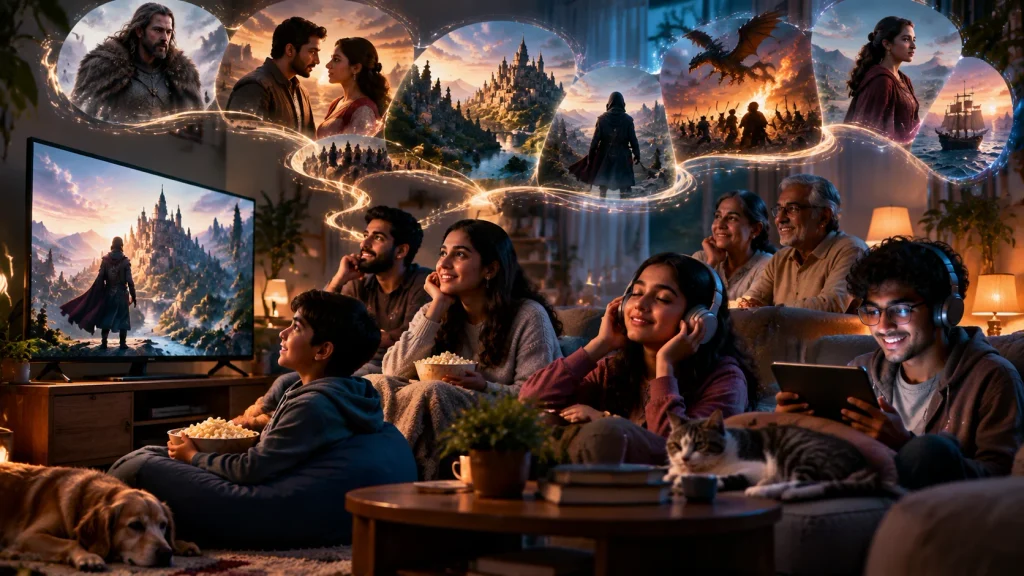
Serialized storytelling is a narrative format where a larger story is divided into multiple episodes, chapters, or installments released over time. Unlike standalone stories that provide a complete experience in one sitting, serialized stories build curiosity, emotional connection, and anticipation by allowing audiences to follow characters and storylines across multiple parts.
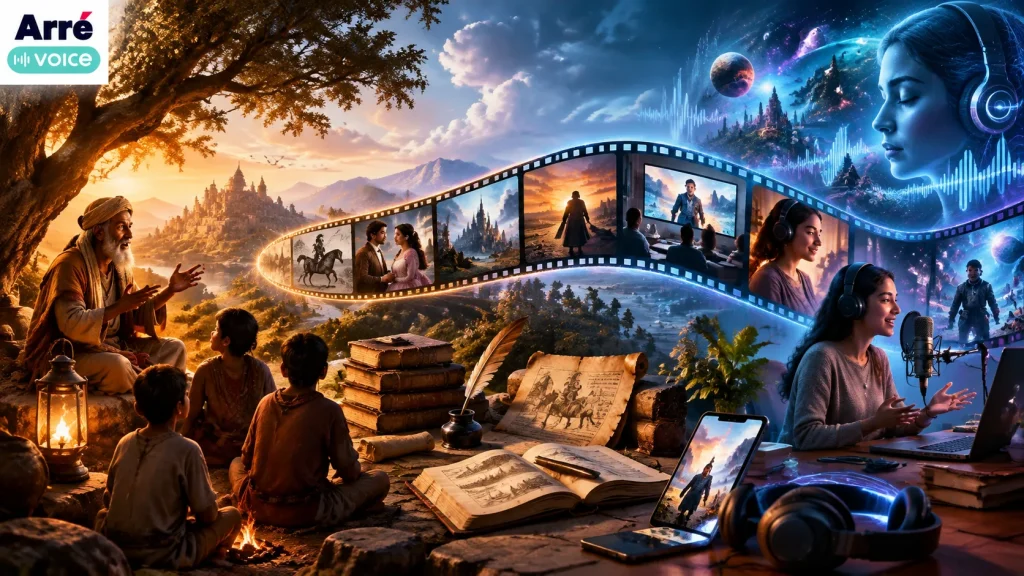
Serialized storytelling has existed for centuries, evolving from oral traditions and episodic folk narratives to serialized novels, television series, podcasts, and modern digital audio experiences. By creating continuity, suspense, and deeper character development, this format encourages audiences to return for every new episode.
The power of serialized storytelling lies in its ability to create long-term relationships between audiences and narratives. Instead of experiencing only a beginning and an ending, listeners and viewers become part of an ongoing journey where characters grow, conflicts develop, and new possibilities unfold.
Today, serialized storytelling has become one of the most engaging formats in digital entertainment. Streaming platforms, podcast networks, and voice-first platforms use episodic narratives to create immersive experiences that keep audiences connected through regular releases and evolving story worlds.
What Is Serialized Storytelling?

1.1 Understanding Serialized Storytelling and Its Meaning
Serialized storytelling is a narrative technique where a complete story is divided into multiple parts and released gradually over a period of time. Each episode, chapter, or installment contributes to the larger storyline while maintaining enough interest to encourage audiences to continue with the next part.
Unlike short-form storytelling, serialized narratives allow creators to explore characters, conflicts, and themes in greater depth. The extended format provides opportunities to develop complex relationships, introduce new challenges, and create meaningful transformations throughout the story.
Serialized storytelling often includes:
- Multiple episodes or installments
- Continuing characters and storylines
- Connected narrative arcs
- Long-term conflicts and challenges
- Progressive character development
- Recurring themes and emotional journeys
The origin of serialized storytelling can be traced back to traditional storytelling practices where communities shared long narratives across multiple sessions. Storytellers often ended a session at an important moment, creating curiosity and encouraging audiences to return for the continuation.
Over time, this approach evolved into different formats, including serialized literature, television dramas, web series, podcasts, and audio fiction. The core principle remains the same: creating a larger narrative experience that unfolds gradually.
1.2 Difference Between Serialized Stories and Standalone Stories
Serialized stories and standalone stories both aim to engage audiences through meaningful narratives, but they differ in structure, pacing, and audience experience.
| Serialized Stories | Standalone Stories |
| Released across multiple episodes or parts | Complete story within a single format |
| Builds long-term character journeys | Focuses on a single narrative arc |
| Creates anticipation between episodes | Provides immediate resolution |
| Allows deeper world-building | Focuses on a limited storyline |
| Encourages audiences to return regularly | Designed for one-time consumption |
Standalone stories are often effective when the creator wants to deliver a complete emotional experience within a limited timeframe. Movies, short stories, and individual podcast episodes commonly follow this approach.
Serialized stories, however, create a different type of engagement. They allow audiences to develop stronger connections with characters because they experience their growth, challenges, and transformations over an extended period.
Both formats can create powerful storytelling experiences. The choice depends on the story’s complexity, audience expectations, and the creator’s goals.
1.3 Why Serialized Storytelling Is Powerful
The strength of serialized storytelling comes from its ability to build emotional investment over time. When audiences follow a story across multiple episodes, they develop a deeper connection with characters, events, and fictional worlds.
Serialized narratives create engagement by offering:
- Emotional investment: Audiences become attached to characters and their personal journeys.
- Anticipation: Each episode creates curiosity about what will happen next.
- Character development: Longer formats allow personalities, motivations, and relationships to evolve naturally.
- World-building: Creators can develop detailed environments, cultures, and story systems.
One of the biggest advantages of serialized storytelling is the ability to create memorable characters. Audiences do not simply observe events; they experience the transformation of characters over time.
A hero may face repeated challenges, a relationship may gradually develop, or a mystery may slowly reveal its answers. This continuous progression creates stronger emotional connections than a single, compressed narrative.
Serialized storytelling also encourages audience participation. People discuss episodes, predict future events, share theories, and build communities around ongoing stories. This interaction extends the life of a story beyond the content itself.
The History and Evolution of Serialized Storytelling
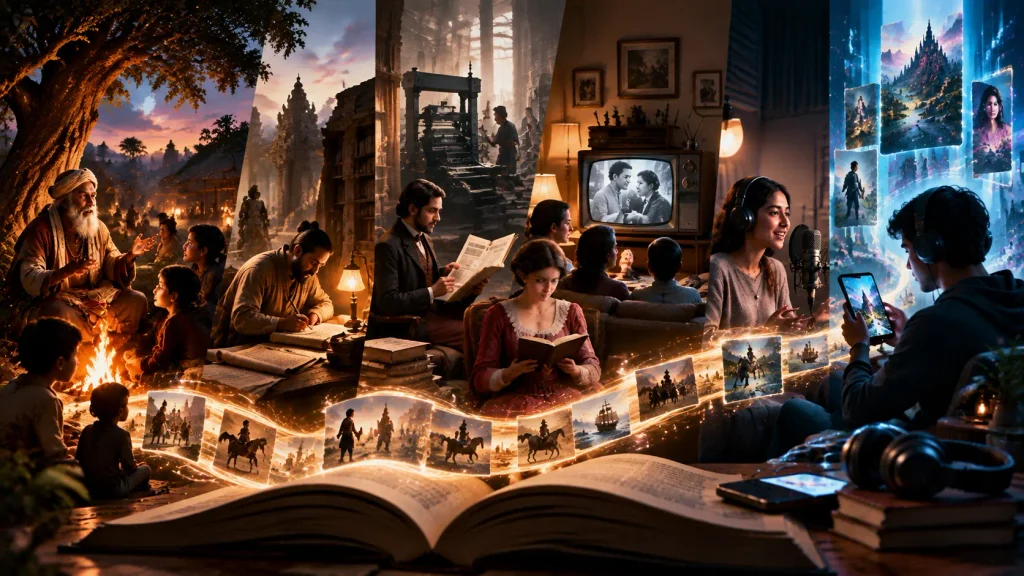
2.1 Serialized Storytelling in Traditional Narratives
Serialized storytelling has deep roots in traditional oral storytelling practices. Before written formats became widely available, stories were often shared through spoken performances across generations.
Long narratives were naturally divided into smaller sections because they were performed over multiple sessions. Storytellers used suspense, emotional moments, and unfinished events to maintain audience interest.
Indian epics such as the Ramayana and Mahabharata are examples of long-form narratives that have traditionally been shared through episodic storytelling. Different sections of these stories were narrated through performances, religious gatherings, and cultural events.
Traditional storytellers used techniques that remain important in modern serialized storytelling:
- Creating suspense before ending a session
- Developing memorable characters
- Building emotional connections
- Maintaining continuity across episodes
- Encouraging audiences to return for the next part
Folk storytelling traditions around the world also followed similar structures. Legends, myths, and cultural narratives were often passed from one generation to another through repeated storytelling sessions.
These traditions demonstrate that serialized storytelling is not only a modern entertainment format but also a fundamental way humans have shared complex stories throughout history.
2.2 Serialized Stories in Literature
Serialized storytelling became especially popular in literature during the 19th century when novels were frequently published in installments through newspapers and magazines.
Writers released chapters periodically, allowing readers to follow stories over weeks or months. This approach created excitement and encouraged regular engagement among audiences.
One of the most famous examples of literary serialization was the work of Charles Dickens, whose novels were published in parts and attracted large audiences eager to discover the next installment.
Serialized literature created several advantages:
- Increased reader anticipation
- Encouraged discussions among audiences
- Allowed writers to develop longer narratives
- Created regular publishing relationships with readers
The installment-based model influenced how creators approached storytelling. Each chapter needed to provide enough satisfaction while also creating curiosity for what would happen next.
Elements such as cliffhangers, unexpected reveals, and unfinished conflicts became essential techniques in serialized storytelling and continue to influence modern entertainment formats.
2.3 Serialized Storytelling in Modern Entertainment
Modern technology has transformed serialized storytelling into one of the most popular formats in entertainment. Television series, streaming platforms, podcasts, and audio dramas have adapted the episodic structure to meet changing audience preferences.
Today, serialized storytelling appears across formats such as:
- Television series
- Web series
- Streaming shows
- Podcasts
- Audio dramas
- Digital fiction platforms
Streaming platforms have expanded the possibilities of serialized narratives by allowing creators to develop longer story arcs without traditional time limitations. Audiences can now follow complex characters and immersive worlds across multiple seasons.
Podcasts and audio platforms have further increased the popularity of serialized storytelling. Audio series allow creators to deliver episodic narratives through voice performances, sound design, and immersive storytelling techniques.
The rise of digital entertainment has made serialized storytelling more accessible than ever. Creators can now build communities around ongoing stories, while audiences can discover and follow narratives across different platforms.
As storytelling continues to evolve, serialized formats remain powerful because they combine the timeless appeal of human narratives with modern digital experiences.
The Key Elements of Successful Serialized Storytelling

3.1 Strong Characters and Long-Term Character Development
Characters are the foundation of successful serialized storytelling. Unlike standalone stories where audiences experience a character within a limited timeframe, serialized narratives allow creators to explore personalities, motivations, conflicts, and transformations over multiple episodes.
Strong characters encourage audiences to return because they develop emotional connections with their journeys. Viewers and listeners become invested in their decisions, struggles, relationships, and growth.
Effective serialized characters often include:
- Emotional depth: Characters with relatable emotions, fears, desires, and challenges create stronger connections.
- Personal growth: Audiences enjoy witnessing characters learn, change, and overcome obstacles.
- Character transformation: Long-form storytelling allows characters to evolve through experiences and conflicts.
- Audience attachment: Memorable characters create loyalty and encourage audiences to follow their journey.
Serialized stories often feature different types of characters, including:
Heroes:
Heroes represent the central journey of the story and usually face challenges that test their values, abilities, and beliefs.
Antiheroes:
Antiheroes have complex personalities, combining positive and negative qualities. Their internal conflicts often make stories more realistic and engaging.
Complex personalities:
Characters with layered motivations, emotional struggles, and unexpected decisions create more meaningful narratives.
The longer format of serialized storytelling gives creators the opportunity to move beyond simple character introductions and develop personalities that feel authentic and memorable.
3.2 Episodic Structure and Story Progression
A strong episodic structure is essential for maintaining audience interest throughout a serialized story. Each episode must contribute to the larger narrative while providing a satisfying experience on its own.
Successful serialized episodes balance completion and curiosity. An episode should answer some questions while introducing new possibilities that encourage audiences to continue.
Important elements of episodic structure include:
- Clear episode purpose: Every episode should move the overall story forward.
- Beginning hooks: The opening moments should capture attention and establish the episode’s direction.
- Story progression: Each installment should introduce developments, conflicts, or discoveries.
- Ending hooks: Episodes should create curiosity about what happens next.
A successful serialized episode usually follows a structure where it:
- Provides emotional or narrative satisfaction
- Advances the main storyline
- Develops characters further
- Creates new questions or challenges
Narrative momentum is what keeps audiences engaged. Without progression, serialized stories can feel repetitive. Each episode should create the feeling that the larger journey is continuously moving forward.
3.3 Suspense, Cliffhangers, and Audience Retention
Suspense is one of the most powerful techniques used in serialized storytelling. By creating unanswered questions and unexpected developments, creators encourage audiences to return for future episodes.
Cliffhangers are especially important because they create anticipation at the end of an episode. A well-designed cliffhanger leaves audiences wanting to discover what happens next.
Serialized stories use suspense through:
- Unanswered questions: Creating mysteries that audiences want to solve.
- Unexpected events: Introducing surprising changes that challenge characters.
- Episode endings: Closing episodes at emotionally significant moments.
- Story reveals: Gradually revealing important information throughout the narrative.
Cliffhangers work because they activate curiosity. When audiences become emotionally invested in a story, they naturally want resolution and answers.
However, effective suspense is not only about creating questions. Successful serialized storytelling combines suspense with meaningful character development and story progression. Audiences continue watching or listening because they care about both the outcome and the characters involved.
3.4 World-Building in Serialized Narratives
World-building allows serialized stories to create immersive environments where characters and events can develop over time. Since serialized formats provide more space than standalone stories, creators can build detailed worlds with unique settings, cultures, and systems.
Strong world-building helps audiences understand:
- The environment where the story takes place
- The rules and limitations of the story world
- The relationships between different characters
- The larger conflicts shaping the narrative
Important elements of world-building include:
- Story environments: Creating memorable locations and settings.
- Rules of the world: Establishing systems, traditions, or conditions that shape the story.
- Supporting characters: Developing secondary personalities that enrich the narrative.
- Long-term conflicts: Building challenges that continue across episodes.
Examples of serialized world-building can be found in:
- Fantasy worlds with unique cultures and histories
- Fiction universes with interconnected characters
- Mythological adaptations that expand traditional narratives
Effective world-building makes audiences feel connected not only to the characters but also to the world they inhabit.
Types of Serialized Stories People Connect With

4.1 Serialized Fiction Stories
Serialized fiction stories are among the most popular forms of episodic storytelling. These narratives use multiple episodes or installments to explore fictional worlds, character journeys, and evolving conflicts.
Common examples include:
- Fantasy series
- Mystery stories
- Romance series
- Adventure narratives
Serialized fiction allows creators to explore themes such as:
- Character transformation
- Long-term relationships
- Emotional progression
- Complex conflicts
Fantasy stories often use serialization to develop expansive worlds and interconnected characters. Mystery series use episodes to reveal clues gradually, while romance narratives explore relationships through different stages of emotional growth.
The extended format allows audiences to experience stories at a deeper level, making them more invested in characters and outcomes.
4.2 Serialized Audio Stories and Audio Dramas
Serialized audio storytelling brings episodic narratives to life through voice, sound, and imagination. Unlike visual formats, audio stories rely on narration, character voices, and sound design to create immersive experiences.
Audio serialization includes:
- Episode-based storytelling
- Voice performances
- Sound effects
- Character-driven narration
- Continuing story arcs
Audio is especially effective for serialized storytelling because it creates a personal listening experience. Audiences can follow stories while commuting, relaxing, or completing daily activities.
The power of serialized audio comes from:
- Personal connection through voice: Human voices create emotional intimacy.
- Imagination-driven experiences: Listeners create their own visual interpretation of the story.
- Emotional storytelling: Voice tone, pauses, and delivery enhance character emotions.
Podcasts and audio drama series have increased the popularity of serialized audio narratives by making episodic storytelling accessible to global audiences.
4.3 Serialized True Stories and Real-Life Narratives
Real-life experiences can also be transformed into serialized narratives. Instead of fictional characters, these stories follow actual journeys, challenges, and personal experiences across multiple episodes.
Examples include:
- Personal transformation journeys
- Documentary-style storytelling
- Human experience narratives
- Biography-based series
Serialized true stories allow audiences to connect with authentic experiences over time. A person’s struggles, achievements, discoveries, and emotional moments can be explored in greater depth through an episodic format.
Internal Link:
→ Real Life Stories
This format works especially well because real experiences naturally contain different chapters, turning points, and moments of change.
4.4 Serialized Mythological and Cultural Stories
Mythological and cultural stories have traditionally followed serialized formats because they often contain large narratives with multiple characters, events, and interconnected themes.
Examples include:
- Indian epics
- Folklore adaptations
- Cultural narratives
- Historical storytelling traditions
Stories from mythology naturally fit serialized formats because they include:
- Multiple character journeys
- Complex relationships
- Moral conflicts
- Long-running narratives
Traditional storytelling communities often shared these stories across multiple sessions, allowing audiences to experience different chapters over time.
Internal Link:
→ Mythological Stories
Modern adaptations continue this tradition through television series, podcasts, audiobooks, and digital storytelling platforms.
Why Audiences Love Serialized Storytelling
5.1 Emotional Investment With Characters
One of the biggest reasons audiences connect with serialized storytelling is the opportunity to build long-term relationships with characters.
Unlike short narratives, serialized stories allow audiences to experience:
- Character growth
- Personal challenges
- Changing relationships
- Major life transformations
Over time, characters begin to feel familiar. Audiences develop emotional connections because they witness their journeys, successes, failures, and decisions.
This emotional investment encourages people to continue following a story because they are not only interested in what happens next but also how characters evolve.
5.2 The Psychology of Anticipation
Serialized storytelling uses anticipation as a powerful engagement tool. When a story continues across multiple episodes, audiences naturally develop curiosity about future events.
People return because of:
- Curiosity: Wanting answers to unresolved questions.
- Suspense: Wondering how conflicts will develop.
- Emotional attachment: Caring about characters and their outcomes.
- Unfinished narratives: Wanting closure for ongoing storylines.
The anticipation created between episodes keeps audiences engaged beyond a single viewing or listening session.
This psychological connection is one reason serialized formats work effectively across entertainment platforms.
5.3 Community and Shared Story Experiences
Serialized storytelling often creates communities around shared experiences. When audiences follow the same episodes, they naturally begin discussing theories, predictions, and interpretations.
Serialized narratives encourage:
- Fan discussions
- Online communities
- Episode predictions
- Social conversations
- Shared emotional experiences
Digital platforms have strengthened this community aspect by allowing audiences to connect instantly through social media, forums, and creator platforms.
A successful serialized story becomes more than entertainment; it becomes a shared experience where audiences participate in conversations and build connections around the narrative.
Serialized Storytelling in Audio and Voice Experiences
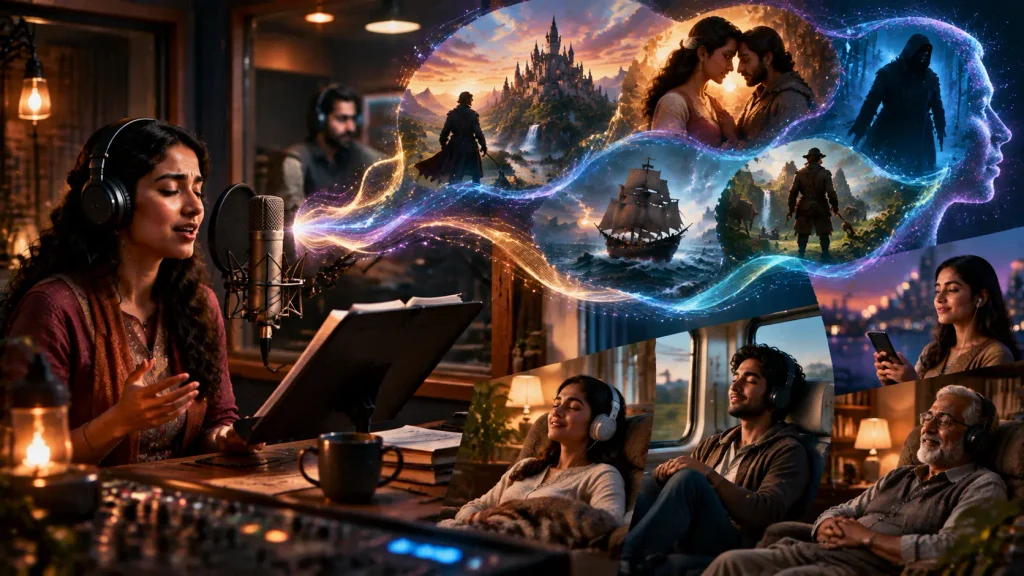
6.1 Why Audio Is Perfect for Serialized Stories
Audio storytelling has become a powerful medium for serialized narratives because it creates an intimate and immersive experience between the story and the listener. Unlike visual formats, audio allows audiences to imagine characters, environments, and emotions through sound, narration, and voice performances.
Serialized audio storytelling provides:
- Episode-based listening: Audiences can follow stories through structured episodes, creating anticipation for every new release.
- Immersive narration: Voice delivery, pacing, and storytelling techniques help listeners experience the emotional depth of a narrative.
- Character voices: Distinct voices help create memorable personalities and strengthen audience connections with characters.
- Emotional storytelling: Tone, expressions, pauses, and sound elements enhance the emotional impact of each episode.
Audio is especially effective for serialized stories because listeners often build personal relationships with voices. A familiar narrator or character voice can create a sense of connection, making audiences return regularly to continue the story.
The growing popularity of podcasts, audio dramas, and voice-first platforms shows how serialized storytelling has evolved beyond traditional visual formats. Stories can now reach audiences through everyday listening experiences, creating deeper engagement and accessibility.
6.2 Creating Engaging Serialized Audio Stories
Creating a successful serialized audio story requires careful planning, strong storytelling techniques, and consistency across episodes. Since listeners experience the story through sound, every element must contribute to maintaining attention and emotional connection.
Creators need:
- Strong scripts: A well-developed script establishes characters, conflicts, dialogue, and episode progression.
- Episode planning: Each episode should have a clear purpose while contributing to the larger story arc.
- Voice performances: Authentic and expressive voice acting helps characters feel realistic and emotionally engaging.
- Sound effects: Background sounds and audio elements create atmosphere and make scenes more immersive.
- Story continuity: Consistent character development and connected episodes help maintain audience interest.
A successful serialized audio story requires balancing individual episode satisfaction with long-term storytelling goals. Each episode should provide a meaningful experience while creating curiosity about future developments.
Creators must also consider pacing, emotional moments, and narrative flow. A strong opening can capture attention, while an engaging ending encourages listeners to return for the next episode.
6.3 The Role of Voice in Episodic Storytelling
Voice is one of the most important elements in episodic storytelling because it gives characters identity and creates emotional connections with audiences.
In serialized audio experiences, voice helps establish:
- Character identity: Unique vocal qualities, expressions, and speaking styles make characters recognizable.
- Emotional connection: Voice conveys emotions such as excitement, fear, sadness, confidence, and determination.
- Story atmosphere: Narration style and vocal delivery influence the mood and feeling of the story.
A powerful voice performance can transform written dialogue into an engaging storytelling experience. The same words can create different emotions depending on tone, timing, and expression.
For serialized stories, maintaining consistent character voices across episodes is essential. When audiences recognize a familiar voice, it strengthens their connection with the story world and creates continuity throughout the narrative.
Internal Links:
→ Audio Storytelling Platforms
→ AI Voice Stories
How Creators Can Build Serialized Stories
7.1 Planning a Long-Form Story Structure
Building a successful serialized story begins with creating a strong long-term structure. Since serialized narratives unfold across multiple episodes, creators need a clear vision of where the story begins, develops, and eventually concludes.
Creators should define:
- Main storyline: The central idea, conflict, or journey that drives the entire narrative.
- Episode arcs: Individual story sections that contribute to the larger storyline.
- Character journeys: The emotional and personal transformations characters experience throughout the series.
- Final direction: The overall destination and purpose of the story.
A well-planned structure helps maintain consistency and prevents episodes from feeling disconnected. It allows creators to balance short-term episode goals with long-term storytelling objectives.
Successful serialized stories often combine smaller conflicts within individual episodes while gradually developing a larger narrative arc.
7.2 Writing Effective Episodes
Each episode in a serialized story should provide value while encouraging audiences to continue with the next installment. A strong episode does not simply extend the story; it creates meaningful progress.
Every episode should include:
- A clear purpose: The episode should contribute something important to the overall narrative.
- Emotional moments: Characters should experience meaningful interactions, challenges, or discoveries.
- Story progression: Events should move the plot or character journey forward.
- Engagement hooks: The ending should create curiosity and encourage audiences to return.
Effective episodic writing requires understanding pacing. Episodes should avoid unnecessary delays and ensure that each scene contributes to the larger story.
Strong episode endings can create anticipation through:
- New challenges
- Unexpected discoveries
- Emotional turning points
- Unanswered questions
These techniques help maintain audience engagement throughout the entire series.
7.3 Creating Memorable Characters for Serialized Stories
Memorable characters are essential for building long-term audience relationships. Since serialized stories develop over extended periods, characters need depth, motivation, and emotional complexity.
Creators should focus on:
- Character motivations: Understanding what drives each character’s actions and decisions.
- Relationships: Developing meaningful connections between characters.
- Conflicts: Creating internal and external challenges that shape character journeys.
- Transformation: Showing how experiences change characters over time.
Strong serialized characters are not static. They learn, struggle, adapt, and evolve as the story progresses.
Characters with clear personalities and emotional journeys encourage audiences to become invested in their outcomes. This emotional connection is one of the biggest reasons people continue following serialized stories.
Internal Link:
→ AI Voice Characters
How Arré Voice Enables Serialized Storytelling Experiences
8.1 Voice-Based Episodic Storytelling
Voice platforms are creating new opportunities for serialized storytelling by allowing creators to build audio series, character-driven narratives, and community-based storytelling experiences.
Voice-based platforms enable:
- Audio series: Creators can publish stories through structured episodes and build returning audiences.
- Character-driven stories: Voice performances help bring fictional personalities and narratives to life.
- Community storytelling: Audiences can discover, follow, and engage with creators and their stories.
The combination of voice technology and episodic storytelling allows creators to develop immersive experiences where audiences connect with stories through listening.
8.2 Creating Immersive Serialized Audio Experiences
Serialized audio experiences combine storytelling, voice performance, and sound design to create engaging narratives.
Important elements include:
- Voice narration: Guides audiences through the story and establishes emotional connection.
- Character performances: Creates unique identities and personalities.
- Background sound: Builds atmosphere and enhances immersion.
- Episode-based storytelling: Allows stories to unfold gradually.
Audio serialization gives creators the ability to experiment with different storytelling formats, from fiction series and mythology adaptations to personal stories and interactive experiences.
8.3 Connecting Creators and Audiences Through Serialized Stories
Serialized storytelling creates opportunities for deeper relationships between creators and audiences. Instead of a one-time interaction, creators can build ongoing communities around their stories.
The Arré Voice ecosystem supports:
- Creator-led storytelling experiences
- Listener communities
- Voice-first entertainment
- Discovery of episodic narratives
By combining voice technology with serialized storytelling, creators can transform ideas into engaging audio experiences while audiences discover stories that fit their interests.
How AI Is Changing Serialized Storytelling
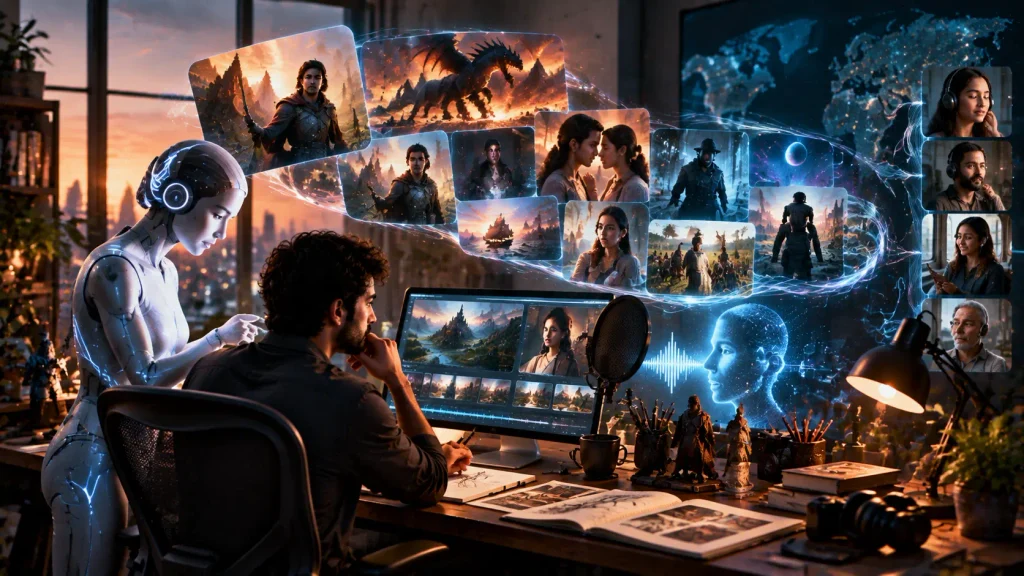
9.1 AI-Assisted Story Development
Artificial intelligence is changing how creators develop serialized stories by assisting with planning, organisation, and creative exploration.
AI can support creators with:
- Story planning: Developing narrative structures and episode outlines.
- Episode ideas: Exploring possible story directions and creative possibilities.
- Character development: Understanding character traits, motivations, and relationships.
- Script assistance: Supporting writing, editing, and improving dialogue.
AI does not replace human creativity; instead, it provides tools that help creators experiment faster and develop more detailed storytelling experiences.
9.2 AI Voice Technology for Serialized Audio Stories
AI voice technology is expanding the possibilities of serialized audio storytelling by enabling consistent and scalable voice experiences across multiple episodes.
AI can support:
- Character voices: Creating unique voices for different personalities.
- Voice consistency: Maintaining the same character voice throughout an entire series.
- Multilingual storytelling: Adapting stories for audiences across different languages and regions.
For serialized audio stories, consistency is essential. Audiences build familiarity with characters over time, and AI voice technology can help maintain continuity while allowing creators to reach wider audiences.
Internal Links:
→ AI Voice Technology
→ Generative Voice AI
9.3 Personalised and Interactive Serialized Stories
The future of serialized storytelling may move beyond fixed narratives toward personalised and interactive experiences.
Future possibilities include:
- Interactive characters: Audiences engaging directly with story personalities through conversations.
- Custom story paths: Experiences where audiences influence narrative directions.
- Personalised narratives: Stories adapted based on listener preferences.
- Voice-based experiences: Interactive storytelling powered through natural conversations.
AI-powered storytelling can create new forms of engagement where audiences are not only consumers but active participants in evolving story experiences.
This shift represents the next stage of serialized storytelling, combining traditional narrative techniques with emerging voice and artificial intelligence technologies.
The Future of Serialized Storytelling in Digital Entertainment
Serialized storytelling continues to evolve as technology changes how audiences discover, consume, and interact with narratives. While the foundation of episodic storytelling remains the same — creating anticipation, emotional connection, and long-term engagement — digital platforms are introducing new ways for stories to reach audiences.
Future trends in serialized storytelling include:
- Growth of audio series: Audio dramas, podcasts, and voice-based stories are becoming increasingly popular as audiences look for flexible entertainment experiences they can enjoy anywhere.
- Interactive storytelling: Future narratives may allow audiences to influence story directions, interact with characters, and experience personalised journeys.
- AI-powered narratives: Artificial intelligence can assist creators with story development, character creation, voice generation, and adaptive storytelling experiences.
- Creator-driven episodic content: Independent creators can build dedicated audiences by publishing serialized stories directly through digital platforms.
- Voice-first entertainment: As voice technology advances, listening-based storytelling experiences will become more immersive, personalised, and accessible.
Serialized storytelling represents the connection between traditional narrative formats and modern digital experiences, allowing stories to evolve episode by episode. From ancient oral traditions to AI-powered audio experiences, the format continues to adapt while preserving the fundamental human desire to follow meaningful journeys.
The future of serialized storytelling will likely focus on deeper audience participation, stronger creator communities, and more immersive ways of experiencing stories.
How Arré Voice Helps Bring Serialized Stories to Life
Voice technology is creating new possibilities for serialized storytelling by enabling creators to transform ideas into immersive audio experiences. With voice-based storytelling, creators can build episodic narratives that connect with listeners through characters, emotions, and ongoing story journeys.
Arré Voice supports creators by providing opportunities for:
- Voice storytelling ecosystem: Helping creators develop and share voice-based narratives with audiences.
- Creating episodic audio experiences: Enabling stories to be structured into engaging episodes that encourage continued listening.
- Supporting creators: Providing tools and opportunities to experiment with voice-driven storytelling formats.
- Building storytelling communities: Connecting creators and listeners through shared narrative experiences.
Serialized stories become more powerful when audiences can develop emotional relationships with characters and follow their journeys over time. Through voice-first experiences, creators can bring fiction, real-life stories, mythology, and original narratives closer to listeners.
Arré Voice helps creators transform storytelling ideas into engaging voice-based experiences while allowing listeners to discover immersive episodic narratives.
Discover serialized stories and create immersive voice experiences with Arré Voice.
Frequently Asked Questions
What is serialized storytelling?
Serialized storytelling is a narrative format where a larger story is divided into multiple episodes, chapters, or installments released over time. Each part advances the storyline while creating curiosity and encouraging audiences to return for the next episode.
What is the difference between serialized storytelling and episodic storytelling?
Serialized storytelling focuses on a continuous story that develops across multiple installments, while episodic storytelling may feature separate stories within each episode. Serialized narratives usually depend on ongoing characters, conflicts, and long-term story arcs.
Why do people enjoy serialized stories?
People enjoy serialized stories because they create emotional connections, suspense, and anticipation. Audiences become invested in characters, follow their journeys, and return regularly to discover how the story develops.
What are examples of serialized storytelling?
Examples of serialized storytelling include television series, web series, podcast dramas, audio fiction series, serialized novels, mythology adaptations, and documentary-style stories released across multiple episodes.
How does serialized storytelling build audience engagement?
Serialized storytelling builds engagement by creating curiosity, developing characters over time, and encouraging audiences to return for new episodes. Cliffhangers, emotional journeys, and ongoing conflicts help maintain long-term interest.
Are podcasts a form of serialized storytelling?
Yes, many podcasts use serialized storytelling formats. Podcast series often release episodes that follow continuous narratives, including fiction stories, audio dramas, interviews, documentaries, and personal journeys.
How do you write a serialized story?
To write a serialized story, creators need a strong central idea, planned episode structure, memorable characters, ongoing conflicts, and clear progression. Each episode should provide value while encouraging audiences to continue.
What makes a good serialized story?
A good serialized story combines strong characters, engaging plots, emotional depth, consistent storytelling, and effective episode structures. Suspense, character development, and meaningful conflicts help maintain audience interest.
Can audio stories be serialized?
Yes, audio stories can be serialized through episode-based formats such as audio dramas, podcasts, and voice storytelling series. Voice performances, sound design, and narration help create immersive episodic experiences.
How is AI changing serialized storytelling?
AI is changing serialized storytelling by helping creators develop stories, create character voices, improve scripts, support multilingual content, and build personalised interactive storytelling experiences. It enables new possibilities for voice-first and digital narratives.